
Billboard Hot 100 | Top 5 – Week of June 9, 1962
The Billboard Hot 100 for June 9, 1962 kept Ray Charles at #1 with “I Can’t Stop Loving You,” a record that was quickly becoming one of the defining songs of the year. Its blend of country songwriting, soul feeling, gospel-rooted emotion, and polished pop arrangement gave the chart a deeper and more mature sound.
Mr. Acker Bilk held steady at #2 with “Stranger On The Shore,” while Dion climbed to #3 with “Lovers Who Wander.” The Shirelles remained strong with “Soldier Boy,” and Gene Pitney moved into the Top 5 with the cinematic “(The Man Who Shot) Liberty Valance.” This was a chart full of voices, stories, and moods.
The lower half of the Top 10 was just as revealing. Johnny Tillotson brought country-pop heartbreak, Connie Francis returned with another polished pop single, Mary Wells carried Motown higher, Freddy Cannon brought amusement-park rock and roll energy, and The Marvelettes gave Tamla another important presence on the chart.
This week showed how much the Hot 100 had expanded by the summer of 1962. The chart could hold Ray Charles, a British instrumental, Dion’s streetwise rock, girl-group pop, western storytelling, Motown, and teen-oriented rock all at once. It was a true snapshot of American popular music becoming broader, bolder, and more emotionally varied.
Top 5 Songs
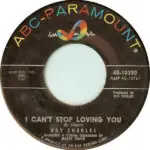
1. I Can’t Stop Loving You – Ray Charles
“I Can’t Stop Loving You” held #1 for another week, keeping Ray Charles at the top with one of the most powerful crossover records of the early 1960s. The song had already made a dramatic leap to #1, and now it was proving that its emotional impact had staying power.
Charles transformed the song into something larger than a standard country ballad. His vocal brought gospel depth, soul feeling, and heartbreaking control to every line. The arrangement was lush, but the emotion always came from his voice.
The record’s success mattered because it blurred musical boundaries so naturally. It showed that country, soul, R&B, and pop could all live inside the same hit record. In 1962, Ray Charles was not just topping the chart. He was changing the language of American popular music.
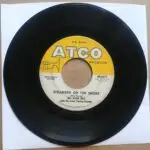
2. Stranger On The Shore – Mr. Acker Bilk
Mr. Acker Bilk held at #2 with “Stranger On The Shore,” continuing one of the year’s most unusual and graceful chart runs. After reaching #1, the clarinet instrumental remained deeply popular, proving that its quiet beauty had connected with a wide audience.
The song’s melody gave it lasting strength. It did not need lyrics to create emotion. The clarinet carried a feeling of longing and reflection, making the record sound almost like a memory put to music.
Its continued presence near the top showed that the Hot 100 was still open to records that stood outside the usual teen-pop and rock-and-roll lanes. “Stranger On The Shore” brought elegance and calm to a chart full of dramatic vocal performances and rising dance records.

3. Lovers Who Wander – Dion
Dion climbed from #4 to #3 with “Lovers Who Wander,” reaching a new peak this week. The song continued the confident, streetwise energy that had made Dion one of the most distinctive rock and roll voices of the early 1960s.
The record had attitude without losing melody. Dion’s vocal sounded sharp, restless, and full of personality, giving the song a stronger edge than many of the smoother pop records around it. He brought a kind of urban swagger that helped him stand apart.
“Lovers Who Wander” confirmed that Dion’s post-Belmonts solo career had real strength. He was no longer just part of a vocal group story. He was becoming one of the signature solo voices of early 1960s rock and roll.
4. Soldier Boy – The Shirelles
The Shirelles slipped from #3 to #4 with “Soldier Boy,” but the record remained one of the most important girl-group hits of the year. Its run at #1 had already confirmed the group’s place near the center of early 1960s pop.
The song’s message of devotion and loyalty continued to resonate. The Shirelles sang with warmth and sincerity, turning a simple romantic promise into something deeply memorable. Their harmonies gave the record softness without weakening its emotional force.
Even as it moved down the chart, “Soldier Boy” remained historically meaningful. The Shirelles helped create the path that later girl groups would follow, and this record was one of the key milestones in that story.
5. (The Man Who Shot) Liberty Valance – Gene Pitney
Gene Pitney climbed from #10 to #5 with “(The Man Who Shot) Liberty Valance,” bringing a dramatic western-flavored story song into the Top 5. Pitney had one of the most recognizable voices of the period, and this record gave him a sweeping narrative to work with.
The song sounded cinematic, which made sense for its title and subject. Pitney’s vocal carried urgency and emotion, while the arrangement gave the record a bold, almost movie-theme quality. It stood apart from the dance records and teen-pop singles around it.
Its climb showed how popular story-driven records could still be in 1962. The Hot 100 had room for romance, soul, dance, and rock, but it also had room for songs that felt like miniature films. Gene Pitney excelled at that kind of drama.
More Weeks at #1 for “I Can’t Stop Loving You”
This song spent multiple weeks at #1 on the Billboard Hot 100. Explore each chart week below:
🎂 What Was the #1 Song on Your Birthday?
If you were born during the week ending June 9, 1962, this was your birthday song:
🎵 I Can’t Stop Loving You by Ray Charles
▶ Watch and experience this song →
🎂 Try your own birthday:
- I Can’t Stop Loving You – Ray Charles
- Stranger On The Shore – Mr. Acker Bilk
- Lovers Who Wander – Dion
- Soldier Boy – The Shirelles
- (The Man Who Shot) Liberty Valance – Gene Pitney
- It Keeps Right On A-Hurtin’ – Johnny Tillotson
- Second Hand Love – Connie Francis
- The One Who Really Loves You – Mary Wells
- Palisades Park – Freddy Cannon
- Playboy – The Marvelettes
Chart Movers This Week
Ray Charles Led a Rich and Varied Chart
The June 9, 1962 Billboard Hot 100 showed Ray Charles continuing to define the early summer with “I Can’t Stop Loving You.” Its emotional force and genre-crossing sound made it one of the most important records of the year.
At the same time, the surrounding chart was full of variety. Mr. Acker Bilk held onto instrumental elegance, Dion brought rock and roll attitude, The Shirelles kept girl-group emotion near the top, and Gene Pitney added western drama. Lower in the Top 10, Mary Wells and The Marvelettes gave Motown and Tamla a stronger foothold.
This was a chart where many musical futures were visible at once. Soul, country-pop, girl groups, Motown, teen rock, instrumentals, and dramatic story songs were all competing for attention. That blend made early June 1962 one of the most musically interesting moments of the year.