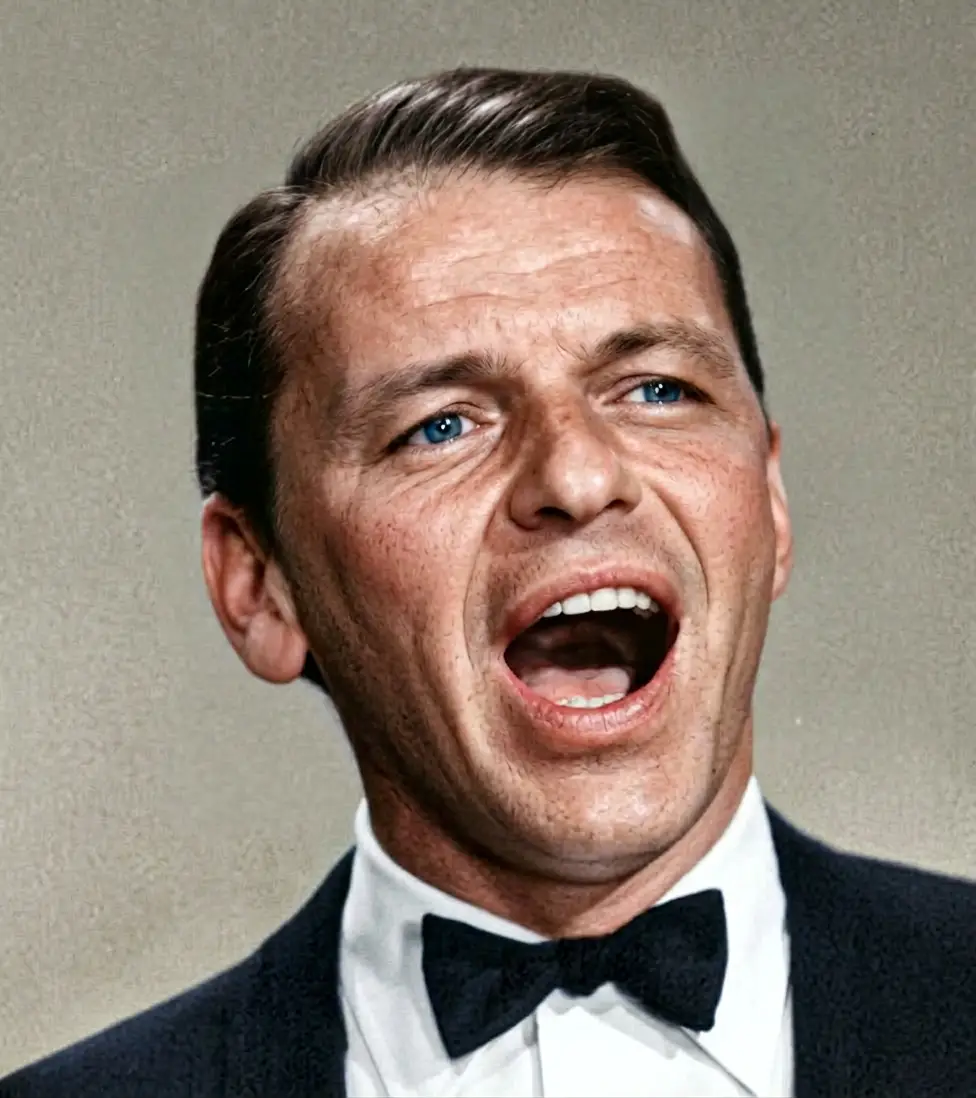
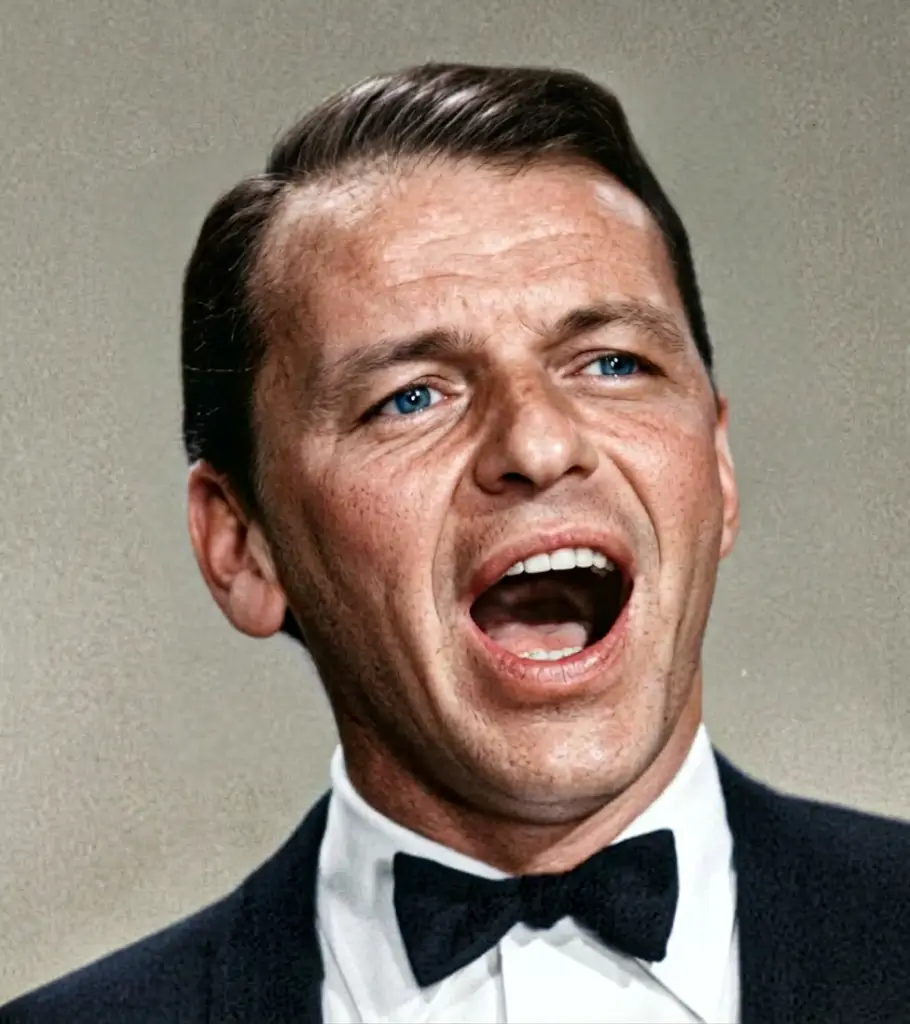
About Frank Sinatra
Frank Sinatra was one of the most iconic and influential singers of the 20th century, whose career spanned decades and helped define the sound of traditional pop and vocal jazz. Born in Hoboken, New Jersey, Sinatra rose to fame in the 1940s and continued to evolve as an artist through the 1950s and 1960s, becoming a dominant figure in music, film, and popular culture.
Often called “Ol’ Blue Eyes,” Sinatra was known for his smooth voice, precise phrasing, and ability to interpret lyrics with emotion and storytelling. By the 1960s, he had already become a legend, yet he continued to produce major hits and connect with new audiences during a changing musical era.
Frank Sinatra Number One Songs
Frank Sinatra achieved chart-topping success in the 1960s with several major hits that showcased his ability to adapt to modern pop trends.
- Strangers in the Night
- Somethin’ Stupid (with Nancy Sinatra)
Why Frank Sinatra Mattered in the 1960s
Frank Sinatra mattered in the 1960s because he proved that an established artist could evolve and remain relevant during a time dominated by rock and pop bands. While younger acts were reshaping the music industry, Sinatra adapted his style and continued to produce hit records.
His 1966 hit “Strangers in the Night” became one of his biggest successes, showing that his signature vocal style could still dominate the charts. He also reached #1 with “Somethin’ Stupid,” a duet with his daughter Nancy Sinatra, which became a major crossover hit.
Frank Sinatra and the Billboard Hot 100
Frank Sinatra remained a major presence on the charts throughout the 1960s. “Strangers in the Night” reached #1 in 1966 and became one of his signature songs of the era.
In 1967, his duet “Somethin’ Stupid” with Nancy Sinatra topped the Billboard Hot 100 for four weeks, making it one of the biggest hits of the year.
Beyond his #1 hits, Sinatra also found continued success on the Easy Listening charts, where songs like “That’s Life” and “The World We Knew (Over and Over)” kept him at the top of the adult contemporary audience.
Frank Sinatra’s Musical Style
Frank Sinatra’s music blended traditional pop, jazz, and orchestral arrangements into a sophisticated and timeless sound. His recordings often featured lush instrumentation, big band arrangements, and carefully crafted vocal delivery.
What set Sinatra apart was his ability to tell a story through song. His phrasing, timing, and emotional control made each performance feel personal, helping listeners connect deeply with the music.
Even as musical trends changed in the 1960s, Sinatra maintained his identity while subtly incorporating modern production styles, allowing him to remain relevant across generations.
Frank Sinatra’s Lasting Legacy
Frank Sinatra remains one of the most celebrated and influential artists in music history. With a career that included multiple #1 hits, award-winning albums, and success across music, film, and television, he set a standard for what it meant to be an entertainer.
His influence can be heard in countless artists who followed, and his recordings continue to be played and appreciated around the world.
For fans of 1960s music, Frank Sinatra represents timeless artistry—a performer who bridged generations and proved that great music never goes out of style.