About Louis Armstrong
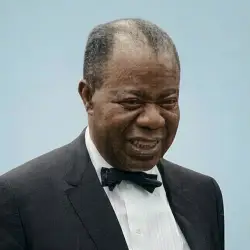
Louis Armstrong was one of the most influential musicians in the history of music, known for his groundbreaking contributions to jazz, his distinctive voice, and his charismatic stage presence. Born in New Orleans, Louisiana, Armstrong rose from humble beginnings to become a global icon and one of the most recognizable figures of the 20th century.
Nicknamed “Satchmo,” he helped transform jazz from ensemble-based music into a form centered around solo performance, influencing generations of musicians across multiple genres.
Louis Armstrong Number One Songs
Louis Armstrong reached #1 on the Billboard Hot 100 with one of the most historic songs of the 1960s.
Why Louis Armstrong Mattered in the 1960s
Louis Armstrong mattered because he was already a legend long before the 1960s—but still managed to dominate the charts during the rock and roll era. His hit “Hello, Dolly!” proved that classic jazz and traditional pop could still compete with the new wave of rock music.
In 1964, Armstrong did something almost unbelievable—he knocked The Beatles off the #1 spot on the Billboard Hot 100, ending their 14-week streak at the top.
This moment made him one of the few artists capable of competing with the British Invasion at its peak.
Louis Armstrong and the Billboard Hot 100
Louis Armstrong made history with “Hello, Dolly!”, which reached #1 on the Billboard Hot 100 in 1964.
At 62 years old, he became the oldest artist ever to reach #1 on the chart—a record that stood for decades.
The song was a massive success, winning Grammy Awards and becoming the biggest hit of his career.
Even more impressively, the album Hello, Dolly! also reached #1, giving Armstrong success across both singles and album charts during the same period.
Louis Armstrong’s Musical Style
Louis Armstrong’s music blended jazz, blues, and traditional pop into a style that was both innovative and widely accessible. His trumpet playing was revolutionary, featuring expressive phrasing and improvisation that helped define modern jazz.
His vocal style was equally distinctive, characterized by his gravelly tone and use of scat singing, which added personality and emotion to his recordings.
By the 1960s, his music had evolved into a more traditional pop style, but still retained the charm and musicality that made him famous.
Louis Armstrong’s Lasting Legacy
Louis Armstrong remains one of the most important figures in music history. His influence extends far beyond jazz, shaping pop, rock, and virtually every modern genre.
His signature hit “Hello, Dolly!” stands as one of the most remarkable comeback successes ever recorded, while songs like “What a Wonderful World” continue to define his legacy worldwide.
Louis Armstrong was inducted into the Rock & Roll Hall of Fame in 2017.
For fans of 1960s music, Louis Armstrong represents greatness across generations—a pioneer who not only helped create modern music, but continued to shape it decades later.