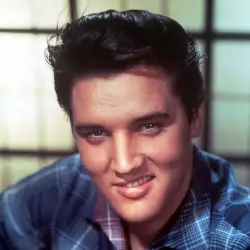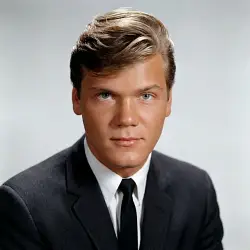
When “Are You Lonesome Tonight?” by Elvis Presley became a #1 hit in 1960, it revealed a softer, more intimate side of Elvis Presley—one that stood in contrast to his earlier rock and roll image.
But the song itself had been around for decades before Elvis made it his own.
✍️ A Song from the Early 1900s
“Are You Lonesome Tonight?” was written in 1926 by Lou Handman and Roy Turk.
It had been recorded by several artists over the years and was considered a traditional-style ballad long before Elvis ever performed it.
In fact, it was suggested to Elvis by his manager, Colonel Tom Parker, who remembered the song from earlier years.
🎙️ A Unique Recording Approach
When Elvis recorded “Are You Lonesome Tonight?” in 1960, he did something unusual.
The song includes a spoken-word section in the middle—almost like a monologue—where he reflects on love, loss, and memories.
“Do you gaze at your doorstep and picture me there?”
This part gave the song a deeply personal, almost conversational feel.
🎼 A Minimal, Intimate Sound
Unlike many of his other hits, the arrangement for this song is simple and restrained:
- Soft guitar and gentle backing
- Minimal instrumentation
- A slow, emotional tempo
The focus is entirely on Elvis’s voice—and the feeling behind it.
🏆 A #1 Hit
Despite (or perhaps because of) its simplicity, the song became a major success:
- Reached #1 on the Billboard Hot 100 in 1960
- Sold millions of copies
- Became one of Elvis’s most recognizable ballads
It showed that he didn’t need high energy or big production to connect with listeners.
💔 Why the Song Connected
The song’s power comes from its vulnerability.
It deals with:
- Loneliness
- Regret
- The memory of lost love
The direct questions in the lyrics make it feel personal—like a conversation rather than a performance.
🎧 A Different Side of Elvis
“Are You Lonesome Tonight?” helped redefine Elvis as more than just a rock and roll performer.
It showed:
- Emotional depth
- Versatility
- A willingness to take risks
🎵 A Timeless Ballad
Decades later, the song remains one of Elvis Presley’s most beloved recordings.
It’s a reminder that sometimes, the quietest songs…
leave the strongest impression.