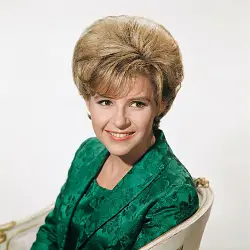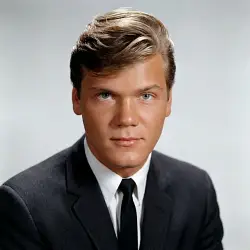
When “Johnny Angel” by Shelley Fabares reached #1 in 1962, it wasn’t the result of a long music career or a carefully planned chart strategy. Instead, it came from a television star recording a single song—and unexpectedly creating one of the most memorable hits of the early 1960s.
📺 From Television to the Recording Studio
Shelley Fabares was already a household name thanks to her role as Mary Stone on The Donna Reed Show. Her wholesome, relatable image made her especially popular with teenage audiences.
Seeing that popularity, producers decided to have her record a song that matched her on-screen persona.
That song was “Johnny Angel.”
✍️ A Simple, Relatable Idea
“Johnny Angel” was written by Lyn Duddy and Lee Pockriss.
The concept was simple:
A young girl dreaming about the boy she has a crush on.
The lyrics captured a familiar feeling:
- Daydreaming in class
- Losing focus because of love
- Imagining a perfect romance
It was light, innocent, and perfectly in tune with early 1960s teen culture.
🎙️ A Natural, Unpolished Charm
Unlike many trained singers, Fabares didn’t come from a music background—and that actually worked in her favor.
Her vocal style was:
- Soft and gentle
- Slightly shy
- Completely sincere
It didn’t feel overly polished or dramatic—it felt real, like someone expressing a genuine teenage crush.
That authenticity connected with listeners.
🎼 A Sound That Fit the Moment
Musically, “Johnny Angel” followed the early 1960s pop formula:
- A smooth, mid-tempo rhythm
- Simple, melodic structure
- Subtle orchestration
- Clear, easy-to-follow lyrics
It was the kind of song that felt comforting and familiar from the very first listen.
🏆 A Surprise #1 Hit
Despite its simplicity, the song became a massive success:
- Reached #1 on the Billboard Hot 100 in 1962
- Became one of the biggest hits of the year
- Turned Shelley Fabares into an overnight pop star
It was unexpected—but undeniable.
💖 Why “Johnny Angel” Connected
The song resonated because it captured a universal experience:
- First crushes
- Innocent romance
- Daydreaming about someone special
It didn’t try to be complex—it just told a feeling everyone understood.
🎧 A Snapshot of Early 1960s Pop
“Johnny Angel” remains a perfect example of early 1960s teen pop:
- Clean, simple, and heartfelt
- Focused on relatable emotions
- Delivered with sincerity
🎵 One Song, Lasting Impact
Although Shelley Fabares didn’t have a long run of chart-topping hits, “Johnny Angel” secured her place in music history.
It’s proof that sometimes, one song—delivered at the right moment—can define an era.