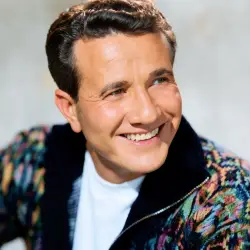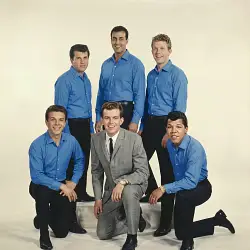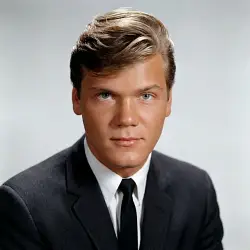
When “Big Girls Don’t Cry” by The Four Seasons was released in 1962, it became the second consecutive #1 hit for The Four Seasons—cementing their place as one of the top vocal groups of the early 1960s.
With its distinctive sound and catchy hook, the song quickly became a defining track of the era.
✍️ Written by Bob Gaudio
The song was written by:
According to Gaudio, the inspiration came from a surprising place—he heard the phrase “big girls don’t cry” in a movie line and turned it into the foundation of the song.
💔 A Story of Love and Pride
Lyrically, the song tells a story of:
- A breakup
- Emotional conflict
- A sense of pride and independence
The phrase “big girls don’t cry” reflects the idea of staying strong—even during heartbreak.
🎼 A Signature Sound
Musically, the song showcases what made The Four Seasons unique:
- Frankie Valli’s soaring falsetto
- Tight vocal harmonies
- A strong, rhythmic backing
The opening line—“Silly boy…”—immediately grabs attention.
🎙️ A Standout Vocal Performance
Frankie Valli’s vocal delivery is:
- High-pitched and powerful
- Emotionally expressive
- Instantly recognizable
His falsetto became one of the group’s defining features.
🏆 A #1 Hit
“Big Girls Don’t Cry” was a major success:
- Reached #1 on the Billboard Hot 100 in 1962
- Followed their previous #1 hit “Sherry”
- Helped establish a streak of chart dominance
🌎 Why the Song Connected
The song resonated because it combined:
- A relatable emotional theme
- A catchy, memorable melody
- A unique vocal style
It stood out from other songs on the radio.
🎧 Why It Still Matters Today
Even decades later, the song remains popular because:
- Its hook is unforgettable
- Its vocals are distinctive
- It represents early 1960s pop at its best
🎵 A Defining Hit of the Era
“Big Girls Don’t Cry” wasn’t just another hit—it helped define the sound of The Four Seasons and solidify their place in music history.