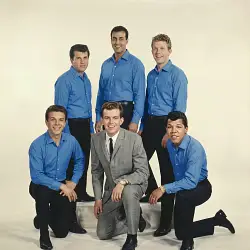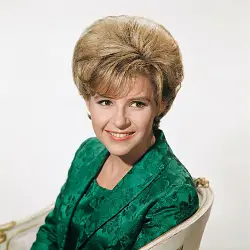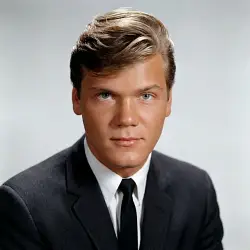
When “Blue Velvet” by Bobby Vinton became a #1 hit in 1963, it helped cement Bobby Vinton as one of the leading voices of romantic pop. But the song itself had been around for over a decade before Vinton made it famous.
✍️ A Song with Earlier Roots
“Blue Velvet” was written in 1950 by Bernie Wayne and Lee Morris.
The first major recording came from Tony Bennett in 1951, and while it gained some attention, it didn’t reach the top of the charts.
For years, the song remained a well-known standard—but not a defining hit.
🎙️ Bobby Vinton’s Version Almost Didn’t Happen
By 1963, Bobby Vinton was already enjoying success, but “Blue Velvet” wasn’t originally intended to be his next big single.
In fact, it was recorded somewhat reluctantly, reportedly at the suggestion of his producer, who believed the song still had potential.
Vinton agreed—and that decision would prove to be career-defining.
🎼 A Perfect Match of Voice and Song
What made Vinton’s version stand out was how well the song fit his style:
- Smooth, emotional vocals
- Lush orchestral arrangement
- A slow, dreamy tempo
His delivery gave the song a sense of warmth and nostalgia that connected deeply with listeners.
When he sang:
“She wore blue velvet…”
…it felt intimate, almost like a memory being shared.
🏆 A #1 Smash Hit
“Blue Velvet” quickly climbed the charts:
- Reached #1 on the Billboard Hot 100 in 1963
- Stayed at #1 for three weeks
- Became one of the most recognizable songs of the decade
It became Bobby Vinton’s signature song.
💙 Why the Song Connected
The song’s appeal lies in its simplicity and imagery.
It tells a story of:
- Love remembered
- A moment frozen in time
- The emotional power of a single memory
It’s less about action and more about feeling—and that’s what makes it timeless.
🎬 A Song That Lived On
“Blue Velvet” continued to grow in cultural significance over the years, including its use in films and media, which introduced it to new audiences.
Its smooth, evocative sound made it a natural fit for storytelling beyond music.
🎧 A Timeless Romantic Classic
Even decades later, “Blue Velvet” remains one of the defining songs of 1960s pop.
It’s a perfect example of how the right voice, the right arrangement, and the right moment can turn a song into something unforgettable.