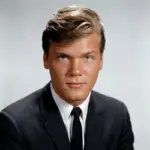
🎶 A Classic Song Reimagined
“Deep Purple” wasn’t originally a 1960s hit.
👉 It was first written in 1933 by Peter DeRose (music) and Mitchell Parish (lyrics).
Over the years, it had been recorded many times—but none of those versions prepared audiences for what came in 1963.
✨ A Completely Different Approach
When Nino Tempo & April Stevens recorded the song, they didn’t try to modernize it in a traditional way.
Instead, they did something unexpected:
👉 They made it quiet, intimate, and conversational
- Soft, almost whispered vocals
- A relaxed, late-night atmosphere
- A blend of singing and speaking
It sounded less like a performance… and more like a private moment between two people.
🎙️ The Signature Whisper Style
One of the most memorable elements of the song is the way it’s delivered:
- April Stevens sings with a smooth, dreamy tone
- Nino Tempo adds spoken interjections and gentle responses
👉 This back-and-forth created a unique chemistry that set the song apart from everything else on the radio.
🎷 A Subtle but Rich Arrangement
The music itself is understated but effective:
- Light orchestration
- Gentle rhythm
- Smooth saxophone touches
Nothing overwhelms the vocals—everything supports the mood.
🏆 A Surprise #1 Hit
Despite its unconventional style, “Deep Purple” became a massive success:
- Reached #1 on the Billboard Hot 100 (1963)
- Won the Grammy Award for Record of the Year
👉 It proved that a soft, understated performance could outperform louder, more energetic hits.
🌎 Why the Song Connected
“Deep Purple” resonated because it felt different:
- Intimate instead of dramatic
- Personal instead of performative
- Relaxed instead of high-energy
Listeners didn’t just hear it—they felt like they were part of it.
🎧 Why It Still Matters Today
The song remains memorable because it:
- Breaks traditional pop structure
- Creates a unique emotional atmosphere
- Showcases the power of subtlety
It’s still used as a reference point for romantic duets.
🎵 A Quiet Revolution
With “Deep Purple,” Nino Tempo & April Stevens showed that:
👉 Sometimes the most powerful songs are the quietest ones.
It’s not just a hit—it’s a mood, a moment, and a completely different way of connecting through music.