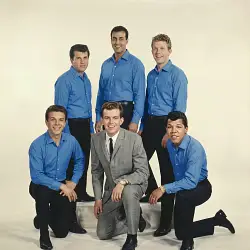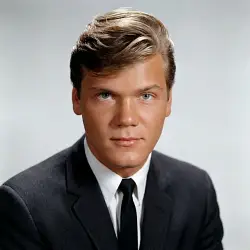
When “Last Train to Clarksville” became a #1 hit in 1966, it introduced The Monkees to the world—and proved they were more than just a television act.
Behind its upbeat sound and catchy melody, the song carried a deeper meaning tied to the realities of the time.
📺 A Band Created for Television
The Monkees were originally formed for a TV show designed to capture the excitement of the music scene—especially the success of The Beatles.
At first, many people saw them as a manufactured group.
“Last Train to Clarksville” changed that perception.
✍️ Written with a Hidden Message
The song was written by Tommy Boyce and Bobby Hart, a successful songwriting duo.
On the surface, it sounds like a simple love song about meeting someone before leaving town.
But there’s a deeper layer.
Many listeners interpret the lyrics as referencing a soldier heading off to war—possibly the Vietnam War—uncertain if he’ll return.
“And I don’t know if I’m ever coming home…”
That line adds emotional weight to an otherwise upbeat track.
🎼 A Catchy, Upbeat Sound
Musically, the song is bright and energetic:
- A driving guitar riff
- A steady rhythm
- Tight pop structure
- Memorable chorus
Its sound made it perfect for radio—even as the lyrics hinted at something more serious.
🎙️ A Strong Vocal Performance
Lead vocals by Micky Dolenz gave the song personality and energy.
His delivery balanced:
- Excitement
- Urgency
- A hint of underlying emotion
That combination helped the song connect with a wide audience.
🏆 A Breakthrough #1 Hit
“Last Train to Clarksville” quickly became a major success:
- Reached #1 on the Billboard Hot 100 on November 5, 1966
- Became The Monkees’ debut single
- Helped launch their career
It also proved that the band could compete with major acts of the time.
🌎 Why the Song Connected
The song worked on multiple levels:
- As a fun, catchy pop song
- As a story about love and departure
- As a subtle reflection of the times
Listeners could enjoy it casually—or find deeper meaning.
🎧 Why It Still Matters Today
Even now, the song remains popular because:
- It’s instantly recognizable
- It blends upbeat sound with emotional depth
- It represents a unique moment in 1960s music
🎵 More Than Just a TV Song
“Last Train to Clarksville” helped establish The Monkees as legitimate hitmakers.
It showed that even a band created for television could produce music that resonated—and lasted.