
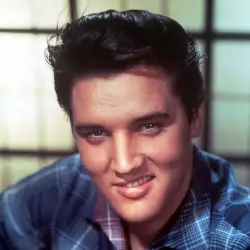
Elvis Presley is widely regarded as one of the most influential figures in music history, earning the title “The King of Rock and Roll.” His unique blend of musical styles, charismatic performances, and cultural impact helped shape modern popular music.
Born in Tupelo, Mississippi, and raised in Memphis, Tennessee, Presley grew up surrounded by a mix of gospel, blues, and country music. These influences came together in a sound that was entirely his own—energetic, emotional, and groundbreaking for its time.
His rise to fame began in the mid-1950s with recordings at Sun Records, where songs like “That’s All Right” introduced a new style that blended rhythm and blues with country. As his popularity grew, he signed with RCA Records and quickly became a national sensation with hits like:
- “Heartbreak Hotel”
- “Hound Dog”
- “Don’t Be Cruel”
Elvis wasn’t just a singer—he was a performer. His stage presence, distinctive voice, and bold style captivated audiences and challenged the norms of the era.
In addition to music, Presley became a successful film star, appearing in numerous movies throughout the late 1950s and 1960s. While his film career brought him widespread exposure, it was his return to live performance—highlighted by his famous 1968 “Comeback Special”—that reaffirmed his status as a music icon.
Throughout his career, Elvis Presley achieved:
- Numerous #1 hits
- Millions of records sold worldwide
- A lasting influence across multiple genres
His ability to cross musical boundaries and connect with audiences of all backgrounds made him a global phenomenon.
Today, Elvis Presley remains one of the most celebrated and enduring artists of all time. His legacy continues to influence musicians and entertainers, and his music still resonates with fans around the world.
He wasn’t just a star—
He changed music forever.