Billboard Hot 100 | Top 5 – Week of August 4, 1962
The Billboard Hot 100 for August 4, 1962 continued Bobby Vinton’s successful run at #1 as “Roses Are Red (My Love)” held onto the top spot for another week. The soft romantic ballad remained one of the defining songs of the summer, even as faster-moving records climbed quickly behind it.
The biggest jump inside the Top 5 came from Neil Sedaka, whose “Breaking Up Is Hard To Do” surged from #8 to #2. Sedaka’s upbeat heartbreak anthem was becoming one of the most important pop singles of 1962, blending catchy hooks with emotional lyrics in a way few artists could match.
Brian Hyland stayed strong at #3 with “Sealed With A Kiss,” while The Orlons slipped slightly with the dance craze hit “The Wah Watusi.” Ray Stevens entered the Top 5 for the first time with the novelty smash “Ahab, The Arab,” giving the chart another reminder of how humor and personality still played a major role in early 1960s pop music.
Elsewhere in the Top 10, Little Eva’s “The Loco-Motion” was rapidly climbing, Ray Charles continued his long chart run with “I Can’t Stop Loving You,” and Richard Chamberlain brought television stardom into the music world with “Theme From Dr. Kildare.” It was another chart week filled with variety and movement.
Top 5 Songs

1. Roses Are Red (My Love) – Bobby Vinton
Bobby Vinton remained at #1 this week with “Roses Are Red (My Love),” continuing one of the most successful ballad runs of the summer. The song’s emotional simplicity helped it connect strongly with listeners across the country.
Vinton’s smooth vocal style gave the record warmth and sincerity. While many hits of the era focused on dance crazes or novelty ideas, “Roses Are Red” succeeded by sounding heartfelt and timeless. It felt familiar in the best possible way.
The song’s continued dominance also established Bobby Vinton as a major star. His ability to deliver romantic pop songs with honesty and restraint would soon make him one of the most reliable hitmakers of the decade.
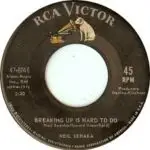
2. Breaking Up Is Hard To Do – Neil Sedaka
Neil Sedaka made a huge move this week as “Breaking Up Is Hard To Do” jumped from #8 to #2. The song combined heartbreak lyrics with an energetic pop arrangement, creating one of the most memorable singles of 1962.
Sedaka had a gift for writing catchy melodies that sounded light and fun even when the subject matter was emotional. That balance helped the song stand apart from slower breakup ballads and gave it enormous radio appeal.
The record would soon become Sedaka’s signature hit. Its fast climb showed just how strongly audiences were responding to its bright production, singalong chorus, and unmistakable early 1960s pop energy.
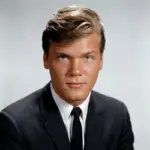
3. Sealed With A Kiss – Brian Hyland
Brian Hyland held steady at #3 with “Sealed With A Kiss,” one of the era’s most memorable teen heartbreak songs. Its emotional story of summer separation continued connecting deeply with young listeners.
The song succeeded because it felt personal and believable. Hyland’s gentle vocal delivery matched the sadness of the lyrics without sounding overly dramatic. The result was a ballad that felt sincere from beginning to end.
“Sealed With A Kiss” became one of the defining slow songs of the summer of 1962. Even surrounded by dance hits and novelty records, its quiet emotional pull kept it near the top of the charts.
4. The Wah Watusi – The Orlons
The Orlons slipped from #2 to #4 with “The Wah Watusi,” but the dance craze hit remained one of the biggest records in America. Its infectious rhythm and upbeat vocal style still made it impossible to ignore.
The song perfectly captured the fun and energy of early 1960s youth culture. Dance songs were still dominating parties, school gyms, and jukeboxes, and “The Wah Watusi” became one of the era’s defining examples.
The success of the record also continued the strong influence of the Philadelphia sound during this period. The Orlons helped turn dance-focused vocal group music into one of the central sounds of 1962 pop radio.
5. Ahab, The Arab – Ray Stevens
Ray Stevens entered the Top 5 this week with “Ahab, The Arab,” one of the summer’s biggest novelty records. The song mixed humor, storytelling, and exaggerated character voices into a performance that immediately grabbed attention.
Novelty songs had long been part of the Billboard charts, and Stevens proved that audiences still enjoyed records built around comedy and personality. His quick delivery and playful style helped make the song stand out from more serious pop records.
“Ahab, The Arab” also introduced many listeners to Ray Stevens’ unique musical personality. He would go on to build a long career around humor, storytelling, and unconventional hit records that often stood apart from mainstream pop trends.
More Weeks at #1 for “Roses Are Red (My Love)”
This song spent multiple weeks at #1 on the Billboard Hot 100. Explore each chart week below:
🎂 What Was the #1 Song on Your Birthday?
If you were born during the week ending August 4, 1962, this was your birthday song:
🎵 Roses Are Red (My Love) by Bobby Vinton
▶ Watch and experience this song →
🎂 Born in the 60s? Try your own birthday:
- Roses Are Red (My Love) – Bobby Vinton
- Breaking Up Is Hard To Do – Neil Sedaka
- Sealed With A Kiss – Brian Hyland
- The Wah Watusi – The Orlons
- Ahab, The Arab – Ray Stevens
- Speedy Gonzales – Pat Boone
- I Can’t Stop Loving You – Ray Charles
- The Loco-Motion – Little Eva
- The Stripper – David Rose and His Orchestra
- Theme From Dr. Kildare (Three Stars Will Shine Tonight) – Richard Chamberlain
Chart Movers This Week
A Chart Full Of Personality
The August 4, 1962 Billboard Hot 100 showed just how wide the definition of pop music had become. Romantic ballads, dance songs, novelty records, crossover soul hits, and television tie-ins all shared the same Top 10.
Bobby Vinton continued leading the charts with sincerity and romance, while Neil Sedaka was quickly rising with one of the catchiest records of the year. At the same time, Ray Stevens and Little Eva brought humor and dance-floor excitement into the national spotlight.
The summer of 1962 remained one of constant musical motion. Every week seemed to introduce a new sound, a new personality, or a new style of hit record. That unpredictability helped make this era of the Billboard Hot 100 one of the most entertaining periods in pop music history.