Billboard Hot 100 | Top 5 – Week of July 14, 1962
The Billboard Hot 100 for July 14, 1962 brought a softer sound back to #1. Bobby Vinton’s “Roses Are Red (My Love)” moved from #2 to the top spot, replacing David Rose and His Orchestra’s “The Stripper” after its one-week stay at #1.
This chart showed how quickly the mood of American pop radio could change in the summer of 1962. One week, a brassy instrumental was leading the country. The next, a tender romantic ballad had taken over. That kind of variety was part of what made the early 1960s charts so interesting.
Ray Charles remained strong at #3 with “I Can’t Stop Loving You,” proving that his country-soul breakthrough still had enormous staying power. Meanwhile, two fast-rising records crashed into the Top 5: The Orlons’ dance hit “The Wah Watusi” and Brian Hyland’s wistful “Sealed With A Kiss.”
Further down the Top 10, Freddy Cannon, Claude King, Johnny Tillotson, Dee Dee Sharp, and Emilio Pericoli gave the week a wide blend of rock and roll fun, country storytelling, teen heartbreak, dance-floor energy, and international pop flavor.
Top 5 Songs
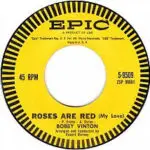
1. Roses Are Red (My Love) – Bobby Vinton
“Roses Are Red (My Love)” reached #1 this week, giving Bobby Vinton his first major breakthrough at the top of the Billboard Hot 100. The song’s gentle melody and schoolroom-poem simplicity helped make it one of the most memorable romantic pop hits of 1962.
Vinton’s voice was smooth, sincere, and easy to believe. He did not need a dramatic arrangement or a wild vocal performance. The record worked because it felt direct and heartfelt, the kind of song that could connect with teenagers and older listeners at the same time.
This was also the beginning of Bobby Vinton’s rise as one of the decade’s most reliable pop balladeers. “Roses Are Red” opened the door for a long run of romantic hits, and it showed that traditional pop still had a strong place on the Hot 100 even as dance records and rock and roll continued to grow.
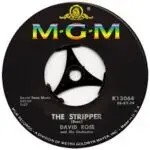
2. The Stripper – David Rose and His Orchestra
After reaching #1 the previous week, “The Stripper” slipped to #2 but remained one of the most recognizable records on the chart. Its bold brass sound and theatrical personality made it stand apart from almost everything else on pop radio.
David Rose and His Orchestra gave listeners an instrumental that was playful, sly, and instantly memorable. The record had no lyrics, but it created a complete mood from the opening notes. That was one reason it became such a lasting piece of pop culture.
Its continued strength at #2 showed that instrumental hits still mattered in 1962. Before the decade became dominated by vocal groups, soul stars, and British bands, orchestral pop could still claim space near the very top of the Hot 100.
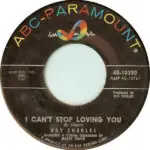
3. I Can’t Stop Loving You – Ray Charles
Ray Charles held steady at #3 with “I Can’t Stop Loving You,” continuing one of the most important chart runs of the year. Even after leaving #1, the record still sounded powerful, emotional, and deeply connected to listeners.
The song’s strength came from the way Charles blended musical traditions. Country songwriting, gospel feeling, soul phrasing, and pop production all came together in one unforgettable performance. It was not just a hit record; it was a crossover moment that changed expectations.
By this point in 1962, “I Can’t Stop Loving You” had already proven its importance. Its presence in the Top 3 showed that Ray Charles had reached far beyond one audience. He was helping reshape what mainstream American pop could include.
4. The Wah Watusi – The Orlons
The Orlons made one of the week’s biggest moves as “The Wah Watusi” jumped from #14 to #4. That kind of climb showed how quickly dance records could catch fire in 1962, especially when they had a catchy rhythm and a title that sounded like fun.
The song fit perfectly into the early 1960s dance craze era. Records did not just give people something to hear; they gave them something to do. “The Wah Watusi” had that bright Cameo-Parkway energy that made it feel ready-made for parties, gyms, teen dances, and summer radio.
For The Orlons, this record was a major breakthrough. It helped place the group among the early 1960s vocal acts that brought rhythm, personality, and dance-floor excitement to the pop charts.
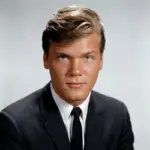
5. Sealed With A Kiss – Brian Hyland
Brian Hyland’s “Sealed With A Kiss” climbed from #12 to #5 this week, bringing a sadder, more reflective sound into the Top 5. While “The Wah Watusi” was made for movement, “Sealed With A Kiss” was built around longing.
The song captured the feeling of summer separation, with its promise of letters and memories holding two people together while they were apart. Hyland’s soft vocal gave the record a fragile quality that helped it stand out from the louder hits around it.
“Sealed With A Kiss” became one of the defining teen ballads of the early 1960s. Its success showed that even during a season filled with dance records and upbeat pop, a quiet heartbreak song could still rise quickly and leave a lasting impression.
More Weeks at #1 for “Roses Are Red (My Love)”
This song spent multiple weeks at #1 on the Billboard Hot 100. Explore each chart week below:
🎂 What Was the #1 Song on Your Birthday?
If you were born during the week ending July 14, 1962, this was your birthday song:
🎵 Roses Are Red (My Love) by Bobby Vinton
▶ Watch and experience this song →
🎂 Born in the 60s? Try your own birthday:
- Roses Are Red (My Love) – Bobby Vinton
- The Stripper – David Rose and His Orchestra
- I Can’t Stop Loving You – Ray Charles
- The Wah Watusi – The Orlons
- Sealed With A Kiss – Brian Hyland
- Palisades Park – Freddy Cannon
- Wolverton Mountain – Claude King
- It Keeps Right On A-Hurtin’ – Johnny Tillotson
- Gravy (For My Mashed Potatoes) – Dee Dee Sharp
- Al Di La’ – Emilio Pericoli
Chart Movers This Week
A Week When Romance Took The Lead
The July 14, 1962 chart felt like a turning point in the middle of summer. Bobby Vinton’s rise to #1 brought a softer romantic sound to the front, while David Rose, Ray Charles, The Orlons, and Brian Hyland kept the Top 5 unusually varied.
This was not a chart built around one style. It had orchestral flash, deep emotion, dance-craze excitement, and teenage heartbreak all sharing the same space. That mix is one of the reasons these early 1960s weeks remain so enjoyable to revisit.
For anyone listening in July 1962, the radio offered a little bit of everything. You could dance, remember, laugh, or feel the sting of a summer goodbye. This was pop music in motion, changing week by week while still holding onto the warmth and innocence of its time.