Billboard Hot 100 | Top 5 – Week of March 4, 1967
The Billboard Hot 100 for March 4, 1967 brought a new No. 1 song to the top of the chart. The Rolling Stones climbed from No. 3 to No. 1 with “Ruby Tuesday,” giving the band one of its most graceful and reflective chart-toppers. After weeks dominated by The Monkees and then The Buckinghams, the top spot now belonged to a British rock group showing a softer, more mature side.
The Supremes held strong at No. 2 with “Love Is Here And Now You’re Gone,” keeping Motown within striking distance of another No. 1 hit. The Buckinghams slipped from No. 1 to No. 3 with “Kind Of A Drag,” but the song remained a major force after its two-week stay at the top.
Johnny Rivers made one of the week’s biggest moves inside the Top 10, as “Baby I Need Your Lovin'” jumped from No. 10 to No. 4. His version of the Four Tops classic gave the chart another strong blue-eyed soul entry and showed how Motown material continued to influence pop artists across the country.
The rest of the Top 10 reflected the remarkable variety of early 1967. The Seekers remained in the Top 5 with “Georgy Girl,” Sonny & Cher continued their steady run with “The Beat Goes On,” The Spencer Davis Group brought British R&B power with “Gimme Some Lovin’,” and Mitch Ryder And The Detroit Wheels entered the Top 10 with “Sock It To Me-Baby!” It was a chart full of motion, style, and transition.
Top 5 Songs
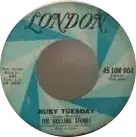
1. Ruby Tuesday – The Rolling Stones
“Ruby Tuesday” climbed from No. 3 to No. 1 this week, giving The Rolling Stones a major chart-topping hit during one of the most important years in rock history. The song stood apart from the band’s harder-edged image, offering a more melodic and thoughtful sound.
Its success showed how much The Rolling Stones had grown since their early blues-based records. “Ruby Tuesday” carried a softer mood, a more reflective lyric, and an arrangement that felt more polished than many of the band’s earlier singles. It proved that the group could be powerful without relying only on aggression or swagger.
Because this was a single-week No. 1, the song’s moment at the top was brief but important. It captured The Rolling Stones at a turning point, as rock music was becoming more sophisticated, more expressive, and more willing to move beyond simple dance records.
▶ Watch and experience this song →
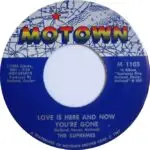
2. Love Is Here And Now You’re Gone – The Supremes
“Love Is Here And Now You’re Gone” held at No. 2, keeping The Supremes in excellent position for another major chart triumph. The record had already made a fast rise, and this week it remained one of the strongest songs in America.
The song carried the polished Motown sound that had made The Supremes one of the most successful groups of the decade. Diana Ross’ lead vocal gave the record emotional drama, while the production kept it elegant, rhythmic, and perfectly suited for Top 40 radio.
Its continued strength at No. 2 showed that Motown was still one of the most reliable hit-making forces in popular music. Even with The Rolling Stones taking the top spot, The Supremes were clearly close behind.
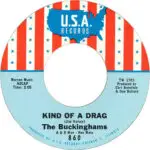
3. Kind Of A Drag – The Buckinghams
“Kind Of A Drag” slipped from No. 1 to No. 3 after giving The Buckinghams their breakthrough moment. The song had brought Chicago pop-rock to the top of the Hot 100 and helped establish the group as one of early 1967’s important new acts.
The record’s horn-driven arrangement helped it stand out on radio. It had the polish of a mainstream pop single but the energy of a real band, which made it especially effective during a time when the chart was opening up to many different sounds.
Even after falling from No. 1, “Kind Of A Drag” remained firmly inside the Top 5. Its success showed that American pop-rock could compete with British rock, Motown, and television pop at the highest level.

4. Baby I Need Your Lovin’ – Johnny Rivers
“Baby I Need Your Lovin'” made a strong move from No. 10 to No. 4, giving Johnny Rivers another major hit. The song had first been a Motown success for the Four Tops, and Rivers brought it back to the upper chart with his own pop-soul interpretation.
His version kept the emotional pull of the original while giving it a slightly different radio feel. Rivers had a talent for taking strong material and making it fit his own style, and this record showed how well he could bridge rock, pop, and soul influences.
The song’s jump into the Top 5 also showed the lasting power of Motown songwriting and production ideas. Even when performed outside the Motown label, that sound continued to shape the direction of American pop music.
5. Georgy Girl – The Seekers
“Georgy Girl” held at No. 5, continuing its long and impressive Top 10 run. The Seekers had reached No. 2 with the song earlier in February, and by March it remained one of the most familiar pop records of the season.
The song’s bright melody, film connection, and clean folk-pop sound gave it a wide appeal. It offered a lighter contrast to the rock, soul, and garage-driven records that were gaining momentum around it.
Its continued presence in the Top 5 showed that polished international pop still had room on the Hot 100. Even as 1967 moved toward more adventurous sounds, “Georgy Girl” remained a reminder that melody and charm could still carry a record far.
🎂 What Was the #1 Song on Your Birthday?
If you were born during the week ending March 4, 1967, this was your birthday song:
🎵 Ruby Tuesday by The Rolling Stones
▶ Watch and experience this song →
🎂 Born in the 60s? Try your own birthday:
Top 10 on the Billboard Hot 100 This Week
- Ruby Tuesday – The Rolling Stones
- Love Is Here And Now You’re Gone – The Supremes
- Kind Of A Drag – The Buckinghams
- Baby I Need Your Lovin’ – Johnny Rivers
- Georgy Girl – The Seekers
- The Beat Goes On – Sonny & Cher
- Gimme Some Lovin’ – The Spencer Davis Group
- Then You Can Tell Me Goodbye – The Casinos
- Sock It To Me-Baby! – Mitch Ryder And The Detroit Wheels
- I’m A Believer – The Monkees
Chart Movers This Week
Why This Chart Week Mattered
The Billboard Hot 100 for March 4, 1967 mattered because it gave The Rolling Stones a No. 1 hit with one of their most elegant and mature singles. “Ruby Tuesday” showed that rock music was becoming more emotionally varied and more artistically ambitious.
This week also captured a strong chart battle between rock and Motown. The Rolling Stones took No. 1, The Supremes held No. 2, and Johnny Rivers brought a Motown classic back into the Top 5. That overlap showed how deeply soul, pop, and rock were influencing one another.
As March began, 1967 was clearly moving beyond the winter dominance of The Monkees. The chart was now more competitive, more diverse, and more reflective of the creative changes that would soon define the year.