Billboard Hot 100 | Top 5 – Week of September 21, 1968
The Billboard Hot 100 for September 21, 1968 delivered one of the year’s most dramatic chart moments. Jeannie C. Riley’s Harper Valley P.T.A. climbed to number one, bringing a sharp country-pop story song to the very top of the national pop chart. Its rise showed just how open the Hot 100 had become to records from outside the usual rock, soul, and pop lanes.
The chart also captured a clear turning point. The Rascals slipped to number two after their powerful run with People Got To Be Free, while The Beatles surged from number ten to number three with Hey Jude. That move signaled that one of the biggest records of the decade was gaining momentum fast. Deep Purple also reached the Top 5 with Hush, adding a harder rock edge to the upper chart, while 1910 Fruitgum Co. held steady with the bubblegum pop hit 1, 2, 3, Red Light.
This week was especially interesting because the Top 5 represented five very different musical worlds. Country storytelling, socially conscious soul-pop, Beatles grandeur, early hard rock, and bubblegum pop all shared space near the top. That variety is one of the reasons 1968 remains such a rich year in Billboard history.
Looking back, September 21 feels like the bridge between late summer and fall. The chart was still holding onto several summer favorites, but Hey Jude was already signaling a major shift ahead.
Top 5 Songs (September 21, 1968)
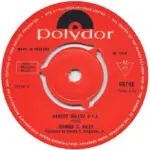
1. Harper Valley P.T.A. – Jeannie C. Riley
Harper Valley P.T.A. reached number one this week, completing a fast and remarkable climb. Jeannie C. Riley’s confident performance gave the song its spark, turning a small-town story into a national pop event.
The song connected because it was bold, funny, and easy to follow. Its story of hypocrisy and public judgment felt fresh on Top 40 radio, especially surrounded by rock bands and soul records. Riley delivered every line with the attitude the song needed.
As a single-week #1, its moment at the top was brief, but unforgettable. It proved that a strong story, a memorable character, and a fearless vocal could cut through almost any musical trend.
▶ Watch and experience this song →
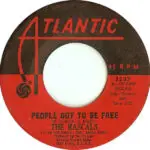
2. People Got To Be Free – The Rascals
After a long stay at number one, People Got To Be Free slipped to number two. Even with the drop, the song remained one of the most meaningful and widely embraced records of 1968.
The Rascals had created a song that matched the emotional needs of the moment. Its message of freedom and unity felt especially powerful during a year marked by national tension and social change.
Its continued strength near the top showed that listeners were still deeply connected to its hopeful message. The song’s chart run had already secured its place as one of the defining records of the year.
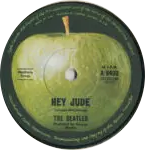
3. Hey Jude – The Beatles
Hey Jude made a massive move from number ten to number three in only its second week on the chart. The Beatles were clearly building toward another major moment, and the song’s rise made it obvious that radio audiences had responded immediately.
The record stood apart because of its emotional sweep and unforgettable closing section. It began as a gentle encouragement and grew into a communal anthem, inviting listeners to sing along as the song expanded.
Its rapid climb suggested that the top of the chart was about to change again. By this week, Hey Jude already felt bigger than a regular hit single.
4. Hush – Deep Purple
Deep Purple climbed to number four with Hush, bringing a heavier rock sound into the Top 5. The record’s driving organ, strong rhythm, and energetic vocal helped it stand apart from the pop and soul records around it.
The song gave American listeners an early taste of a band that would become far more important in the development of hard rock. Even at this stage, Deep Purple sounded forceful, confident, and different from many of their chart competitors.
Its rise showed that harder British rock was gaining a wider audience in the United States. The chart was beginning to make room for louder, more aggressive sounds.
5. 1, 2, 3, Red Light – 1910 Fruitgum Co.
1, 2, 3, Red Light held at number five, giving 1910 Fruitgum Co. another strong bubblegum pop hit. Its simple hook and playful energy made it a natural fit for younger listeners and AM radio.
While the chart around it featured protest-minded pop, hard rock, and country storytelling, this record succeeded by keeping things light and instantly memorable. Bubblegum pop was built for quick connection, and this song delivered exactly that.
Its Top 5 success showed that even during a serious and rapidly changing year, bright, catchy pop still had a major place on the Hot 100.
🎂 What Was the #1 Song on Your Birthday?
If you were born during the week ending September 21, 1968, this was your birthday song:
🎵 Harper Valley PTA by Jeannie C. Riley
▶ Watch and experience this song →
🎂 Born in the 60s? Try your own birthday:
Top 10 on the Billboard Hot 100 This Week
- Harper Valley P.T.A. – Jeannie C. Riley
- People Got To Be Free – The Rascals
- Hey Jude – The Beatles
- Hush – Deep Purple
- 1, 2, 3, Red Light – 1910 Fruitgum Co.
- Light My Fire – Jose Feliciano
- Born To Be Wild – Steppenwolf
- The Fool On The Hill – Sergio Mendes & Brasil ’66
- I’ve Gotta Get A Message To You – Bee Gees
- The House That Jack Built – Aretha Franklin
Chart Movers This Week
Looking Back at September 1968
The September 21, 1968 chart mattered because it showed just how unpredictable the Hot 100 could be. A country-pop story song reached number one, The Beatles were racing toward the top, and harder rock was becoming more visible through Deep Purple and Steppenwolf.
At the same time, The Rascals’ former chart-topper continued to carry the social conscience of the year, while bubblegum pop remained commercially powerful. The result was a chart where serious messages, playful hooks, and musical experimentation all competed successfully.
Looking back, this week stands as one of the clearest examples of 1968’s variety. It was not one sound or one audience driving the chart. It was a collision of styles, stories, and cultural moods that made the late 1960s so memorable.