
Hey Jude’s Long Shadow: The Three Songs Stuck at Number Two
In the fall of 1968, the world was changing fast. People were marching for peace, music was getting louder and bolder, and one song seemed to capture everyone’s hearts. That song was “Hey Jude” by The Beatles. It wasn’t just a hit—it was a monster. The gentle piano, Paul McCartney’s warm voice, and that long, joyful “na-na-na-na” ending made it impossible to forget. The single stayed at number one on the Billboard Hot 100 chart for nine straight weeks. That was a record back then. For nearly two and a half months, nothing could knock it off the top.
But while “Hey Jude” celebrated and lifted people up, it quietly held back three other songs and the artists who sang them. These three talented performers each reached number two. They stayed there, watching The Beatles’ song refuse to move. For each of them, it was their biggest moment—and often their only big moment in the American pop charts. They never had another top 10 hit. Their one real chance at number one slipped away because of the Fab Four. This is their story. It’s about talent, timing, heartbreak, and what might have been. It’s also about how one song can change everything.
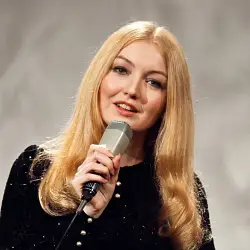
Mary Hopkin: The Sweet Voice from Wales on the Beatles’ Own Label
Mary Hopkin was just a teenager from a small town in Wales when her life changed. She had a pure, beautiful voice that sounded like something from another time—clear and full of feeling. In 1968, she won a British talent show called Opportunity Knocks. A famous model named Twiggy saw her and told Paul McCartney about this gifted young singer. Soon, Mary was signed to Apple Records. That was the record company started by The Beatles themselves.
Her first single was a song called “Those Were the Days.” It was an old Russian folk tune given new English words. Mary sang it with deep emotion, like she was remembering happy times that had passed. The music had a simple guitar and a warm feeling that made listeners think about their own lives. Paul McCartney produced the record. He even played guitar on some of her songs. It felt like the Beatles were personally cheering her on.
“Those Were the Days” was a massive success in many places. It went to number one in the United Kingdom and Canada. People loved its nostalgic message. But in the United States, something stood in the way. “Hey Jude.” Mary’s song climbed the charts and reached number two. It stayed there for three weeks while “Hey Jude” held tight to the top spot.
Here’s the beautiful irony: Mary Hopkin was on Apple Records—the very label The Beatles created to release their own music and help new artists. Her dream launch came from the same place as “Hey Jude,” yet the Beatles’ song blocked her from the ultimate prize. It must have felt strange. She was part of their family, but their giant hit kept her from shining as brightly as she could have in America.
Imagine what might have happened without that block. “Those Were the Days” showed Mary’s incredible voice and emotional depth. If it had reached number one, she might have become a major international star. She could have had more hits, toured the world, and built a long career like other folk-pop singers of the time. Instead, her American success was limited. She had some other records, but nothing matched that first big moment. Mary later stepped back from the spotlight. She raised a family, did some acting, and made music when she wanted to. She sang backup for David Bowie and worked with other artists, but she never chased fame the same way again. Her voice remained special, and fans still love “Those Were the Days” today. But one wonders: What if that number one spot had been hers? How far could her pure talent have taken her?
Mary’s story feels gentle and a little sad. She was young and full of promise. The music industry can be tough, especially when the biggest band in the world is dominating the radio. Her connection to the Beatles gave her a wonderful start, but it also created the very obstacle that slowed her down. It’s a reminder that even with the best support, timing matters more than we realize.
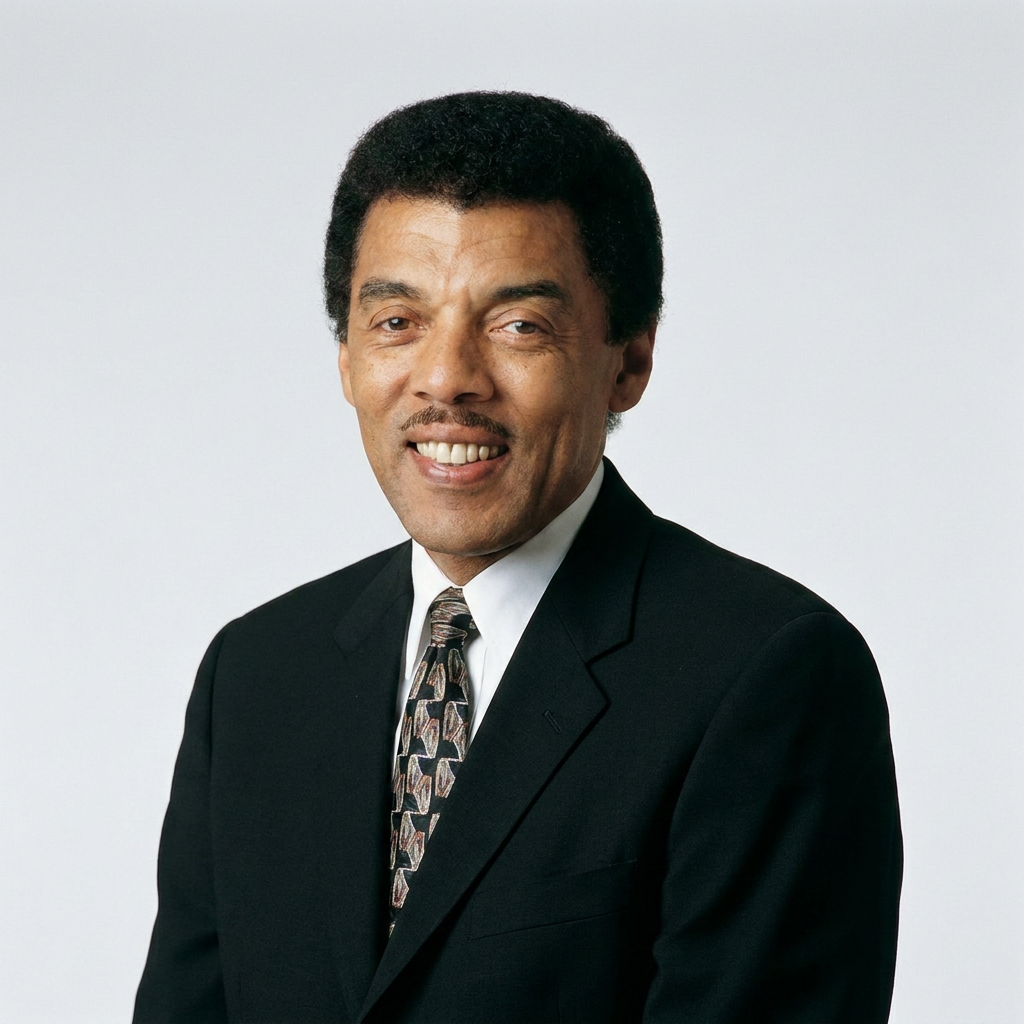
O.C. Smith: The Soul Singer Who Brought Warmth to the Charts
Ocie Lee Smith, known as O.C. Smith, came to music with real experience. He wasn’t a teenager chasing a dream. He had already sung with the great Count Basie Orchestra. He had a smooth, rich voice perfect for soul and jazz. In 1968, he released “Little Green Apples,” written by Bobby Russell. The song tells a simple, loving story about everyday happiness—waking up next to someone you love, sharing small moments like apples from a tree. It was warm, positive, and easy to connect with.
The song became a big hit. It reached number two on the Billboard Hot 100, stuck right behind “Hey Jude.” It also did well on the R&B charts. “Little Green Apples” sold over a million copies and won a Grammy for Song of the Year. That was huge recognition for the songwriting, but O.C. delivered it with so much heart that it felt like his victory too.
For O.C. Smith, this should have been the start of something even bigger. He had the voice, the stage presence, and the experience. A number one hit could have opened doors to television appearances, bigger tours, and more crossover success between soul, pop, and adult contemporary music. He might have become one of those steady hitmakers who filled the airwaves in the late 1960s and 1970s, like some of his contemporaries.
But “Hey Jude” would not let go. Week after week, O.C. sat at number two. By the time “Hey Jude” finally dropped, the moment had passed for his song to climb higher. O.C. kept making music. He had some success on the R&B side, but he never broke back into the pop top 10. Later in life, he became a minister. He used his voice to inspire people in a different way. He passed away in 2001, remembered for that one shining hit and his earlier jazz work.
O.C. Smith’s story is one of quiet strength. He wasn’t flashy. He sang about real love and simple joys in a world that was getting more complicated. “Little Green Apples” felt like a warm hug during turbulent times. If it had reached number one, it might have changed how people saw soul music crossing over. It could have given him a longer, more celebrated career. Instead, the Beatles’ epic ballad kept that door closed. His Grammy win was wonderful, but the chart position told a different story of what might have been.
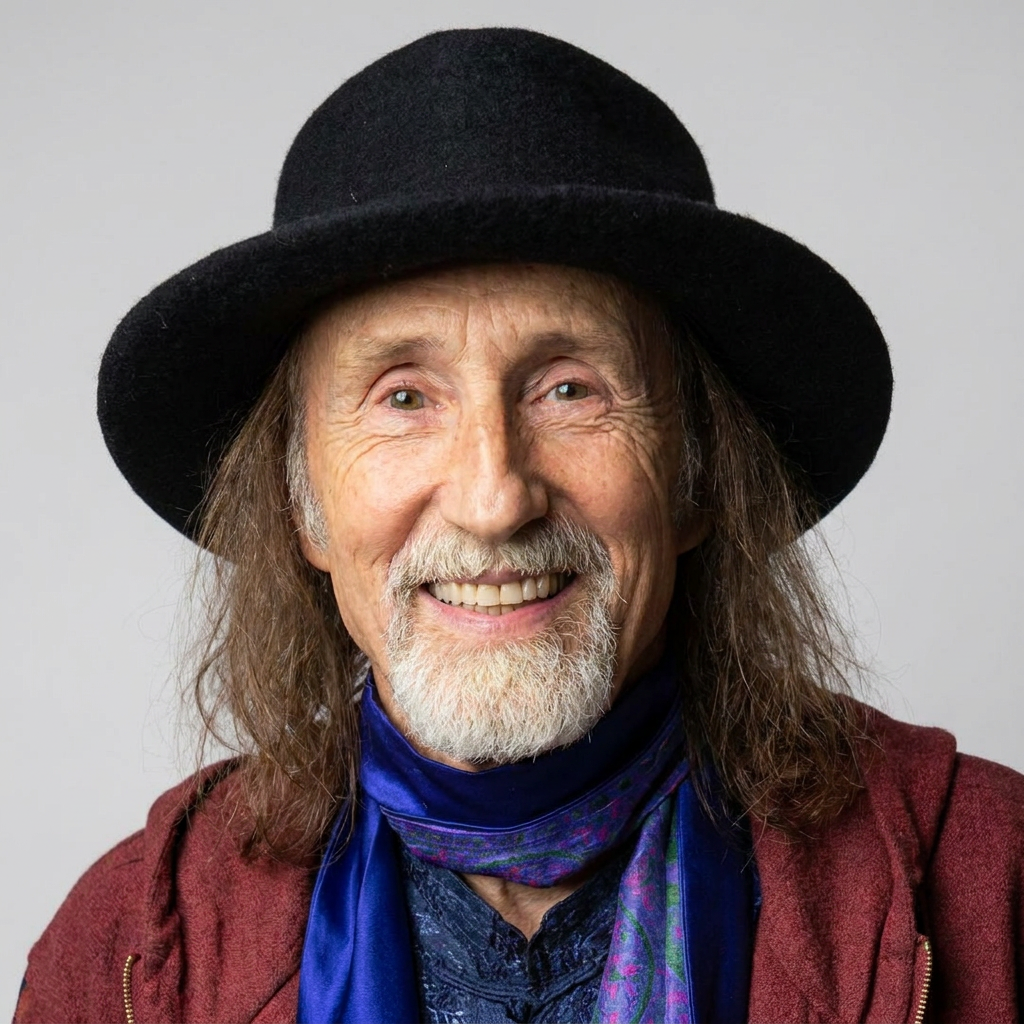
The Crazy World of Arthur Brown: The Flaming Showman Full of Fire
Arthur Brown was completely different. He was wild, theatrical, and ahead of his time. With his band The Crazy World of Arthur Brown, he wore crazy makeup and a helmet that actually had flames shooting out of it. His stage shows were like nothing people had seen—part rock concert, part theater, part shock performance. His voice was powerful and operatic, with high screams that could shake a room.
Their song “Fire” matched the act perfectly. It was dramatic and intense, with lyrics about being the god of hellfire. The music had energy and strangeness that stood out in 1968. The song hit number one in the UK and Canada. In the United States, it climbed to number two—again, stopped by “Hey Jude.” Some radio stations even banned it because it felt too wild or scary for the time.
Arthur Brown seemed destined for rock stardom. His visuals and sound were pioneering. He influenced later artists like Alice Cooper, Kiss, and many heavy metal and progressive rock bands. A number one hit in America could have made him a household name. He might have built a career filled with big tours, movie appearances, and albums that changed rock music. The flaming helmet and wild energy could have become legendary like other shock rockers who came after him.
Instead, “Hey Jude” kept “Fire” from the top. The Crazy World of Arthur Brown released one album, but the band didn’t last long. Arthur tried new projects, including a band called Kingdom Come. He explored spiritual ideas and experimental music. He acted in the movie version of Tommy by The Who and worked with other artists. But in the mainstream American charts, he remained mostly known for that one hit. He continued performing for decades, staying true to his creative spirit, but the big commercial breakthrough in the US never fully happened.
Arthur’s story is exciting and a bit tragic. He brought something new and dangerous to rock at exactly the right cultural moment. The late 1960s loved experimentation. Yet the gentle, sing-along power of “Hey Jude” proved stronger on the charts. What if “Fire” had been number one? Could Arthur have lit up stadiums across America? Would shock rock have started earlier or looked different? His influence is still felt today, but that missing number one kept him from wider fame.
The Bigger Picture: Timing, the Beatles, and What Music Teaches Us
These three stories show how powerful The Beatles were in 1968. “Hey Jude” wasn’t just popular—it was everywhere. Radio played it constantly. People sang it together. Its long ending made it feel like a community anthem. Nine weeks at number one meant a lot of other good songs had to wait. Mary Hopkin, O.C. Smith, and Arthur Brown had the talent and the songs, but they didn’t have the timing.
Think about the irony again with Mary Hopkin. She was literally on the Beatles’ label. Paul McCartney helped her. The same creative force that made “Hey Jude” also shaped her career. Yet their success limited hers in the biggest market. It shows how even inside the same “family,” competition is real. Apple Records was meant to support new artists, but the Beatles’ own music was unstoppable.
For all three artists, life went on. Mary found peace outside the spotlight. O.C. used his voice for faith and community. Arthur kept creating and influencing others with his wild ideas. None of them disappeared. Their songs still get played on oldies stations and streaming playlists. “Those Were the Days,” “Little Green Apples,” and “Fire” each have their own special place in music history.
But the “what if” questions remain. What if one of them had knocked “Hey Jude” off the top, even for a week? Would their careers have exploded? Would we remember them as major stars instead of talented artists with one big moment? Music history is full of these near misses. Talent alone isn’t always enough. Luck, timing, and sometimes a Beatles-sized wave can change everything.
Listening to these songs today brings back that era so clearly. “Hey Jude” still feels hopeful and big. The others feel like missed opportunities wrapped in great performances. They remind us to appreciate the music that touches us, even if it didn’t get every award or chart position it deserved.
In the end, The Beatles gave the world an unforgettable song that brought people together. At the same time, they unintentionally kept three other dreams from reaching their highest point. That’s the complicated beauty of music. One artist’s triumph can be another’s obstacle. Mary Hopkin, O.C. Smith, and Arthur Brown each gave us something special. Their stories deserve to be told—not just as footnotes under “Hey Jude,” but as examples of resilience, talent, and the unpredictable path of a music career.
If you get a chance, play all four songs in a row. Feel the contrast. Sing along to the “na-na-na”s. Then think about the artists behind the other tracks. They almost made it to the very top. In many ways, their music still lives there in our memories. That’s a kind of number one that no chart can ever take away.