
Core Facts
- Song: (I Can’t Get No) Satisfaction
- Artist: The Rolling Stones
- Writers: Mick Jagger & Keith Richards
- Producer: Andrew Loog Oldham
- Released: June 6, 1965 (U.S.)
- Album: Out of Our Heads
- Recorded: RCA Studios, Hollywood
- Length: 3:43
- Billboard Hot 100: #1 for four weeks (July 10–31, 1965)
The Origin
The famous riff did not come from a disciplined writing session. It came from Keith Richards half-asleep in a Florida motel in May 1965. He woke with the guitar line already running through his head, reached for a portable tape recorder, played it once, muttered the words “I can’t get no satisfaction,” and immediately fell back asleep. The next morning the tape was mostly snoring. Buried inside that half-conscious recording was the opening of one of the most recognizable records of the decade.
What followed was just as important. Richards regarded the fuzz-toned guitar as a rough placeholder that would later be replaced by horns. The band kept the distorted version instead. That choice preserved an edge most hit singles of the era carefully removed. The record still feels slightly dangerous because they refused to sand it down.
Mick Jagger built the lyrics around the muttered phrase and aimed them outward. The frustration in the song is not primarily romantic. It is directed at advertising, at the constant noise of media, and at the widening gap between what modern life promised and what it delivered. In 1965 that was a sharper message than most No. 1 hits were prepared to carry.
The Sound
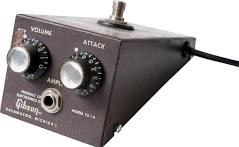
The riff itself is almost primitive in its simplicity, yet it carries unusual force. Played through a Gibson Maestro fuzzbox, it cuts forward with a controlled aggression rarely heard on mainstream radio at the time. Charlie Watts keeps the center steady and unflashy while Jagger delivers the vocal more like a complaint than a performance. The whole record feels impatient. It does not ask to be liked.
Chart Performance
“Satisfaction” entered the Billboard Hot 100 at No. 4 on June 26, 1965. It reached No. 1 on July 10 and held the position for four consecutive weeks. It spent nine weeks inside the Top 10 and also topped the charts in the United Kingdom. It became the Rolling Stones’ first major international No. 1 — the moment they fully stepped out from under the Beatles’ shadow on the global stage.
Why It Mattered
Most of the records surrounding “Satisfaction” on the charts that summer still carried a certain brightness or emotional openness. This one did not. It gave mainstream radio a hit that sounded skeptical of the culture broadcasting it. That shift was subtle but real. Popular music was beginning to make room for a more restless point of view, and the Rolling Stones put that restlessness at No. 1 for an entire month.
Legacy
The song fixed an image the Rolling Stones would carry for decades: sharper, more confrontational, and less interested in charm than their biggest rivals. The riff entered the basic vocabulary of rock guitar. The attitude — unwilling to smile on command — became a working model for countless bands that followed.
More than half a century later the record still lands because the gap it described has never fully closed. The surfaces of culture change. The underlying frustration has proven remarkably durable.
Frequently Asked Questions
How did the riff actually come about? Keith Richards woke up with it in his head in a Florida motel, recorded it half-asleep on a portable tape recorder, and went back to sleep. Most of the tape was snoring. The riff survived.
Why is the guitar so distorted? Richards used a Gibson Maestro Fuzz-Tone as a temporary sound he expected to replace with horns. The band kept the raw version.
Was the song controversial at the time? Yes. Some radio stations were uncomfortable with the lyrics and the overall attitude. It was more confrontational than the typical hit single of 1965.
How long did it stay at number one in the United States? Four weeks in July 1965.