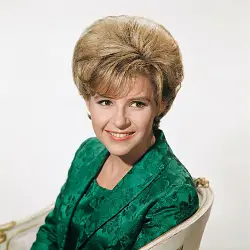
When “I Want to Be Wanted” by Brenda Lee reached #1 in 1960, it became another major milestone for Brenda Lee—proving that her emotional delivery and powerful voice could carry deeply personal songs straight to the top of the charts.
✍️ Adapted from an Italian Original
The song wasn’t originally written in English.
- It was adapted from the Italian song “Per tutta la vita”
- Italian versions were popular before being reworked for American audiences
This kind of adaptation was common at the time, helping bring international melodies into mainstream U.S. pop.
💔 A Song About Emotional Need
At its core, the song expresses a simple but powerful feeling:
👉 The desire to be loved and needed
The lyrics focus on:
- Longing for emotional connection
- Vulnerability in relationships
- The need for reassurance
It’s a theme that resonated strongly with listeners.
🎼 A Dramatic, Orchestral Sound
Musically, the song features:
- Sweeping orchestration
- A slow, emotional tempo
- A polished early-60s pop production style
The arrangement supports the emotional weight of the lyrics.
🎙️ A Powerful Vocal Performance
Brenda Lee’s performance is what truly elevates the song:
- Strong, expressive vocals
- Emotional intensity beyond her years
- A commanding presence despite her young age
At just 15 years old, she delivered a performance that felt mature and deeply authentic.
🏆 A #1 Hit
“I Want to Be Wanted” became a major success:
- Reached #1 on the Billboard Hot 100 in 1960
- Marked another chart-topping hit for Brenda Lee
- Reinforced her status as one of the leading female voices of the era
🌎 Why the Song Connected
The song resonated because it combined:
- A universal emotional theme
- A strong, memorable melody
- A standout vocal performance
It felt both personal and relatable.
🎧 Why It Still Matters Today
Even decades later, the song remains notable because:
- Its message is timeless
- Brenda Lee’s vocal performance is unforgettable
- It represents the emotional depth of early 1960s pop
🎵 A Voice That Defined Emotion
“I Want to Be Wanted” is a perfect example of how powerful simplicity can be.
With this song, Brenda Lee showed that sometimes the most direct emotions make the biggest impact—and helped define the sound of early 1960s pop.