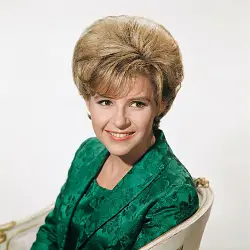
When “It’s My Party” was released in 1963, it instantly became one of the most recognizable songs of the decade—and launched Lesley Gore into stardom at just 16 years old.
With its emotional honesty and catchy melody, the song captured the drama of teenage life like few songs before it.
✍️ Written by a Hitmaking Team
The song was written by:
- Seymour Gottlieb
- John Gluck Jr.
- Wally Gold
- Herb Weiner
It was designed to tell a vivid, relatable story in a short, memorable format.
🎬 A Mini Story in a Song
“It’s My Party” plays out like a short drama:
- A girl’s boyfriend leaves her… at her own party
- He shows up with another girl
- She’s left heartbroken in front of everyone
“It’s my party, and I’ll cry if I want to…”
The song captures a very specific emotional moment—embarrassment, heartbreak, and frustration.
🎼 A Bright Sound with Emotional Contrast
Musically, the song is upbeat and catchy:
- Fast tempo
- Strong rhythm
- Cheerful arrangement
But the lyrics tell a sad story—creating a powerful contrast that makes the song stand out.
🎙️ A Breakout Vocal Performance
Lesley Gore’s performance is:
- Emotional and believable
- Youthful yet expressive
- Full of personality
Her delivery made listeners feel the story, not just hear it.
🎧 Produced by Quincy Jones
The song was produced by:
- Quincy Jones
This was one of his early major successes, and his polished production helped give the song its radio-ready sound.
🏆 A #1 Hit
“It’s My Party” became a massive success:
- Reached #1 on the Billboard Hot 100 in 1963
- Became one of the defining songs of the early 1960s
- Launched Lesley Gore’s career
🌎 Why the Song Connected
The song resonated because it captured:
- Real teenage emotions
- Social situations people could relate to
- A mix of fun and heartbreak
It felt authentic—and easy to understand.
🎧 Why It Still Matters Today
Even decades later, the song remains popular because:
- Its hook is unforgettable
- Its story is relatable
- Its emotional honesty stands out
🎵 A Song That Defined Teen Pop
“It’s My Party” wasn’t just a hit—it became a voice for teenage emotion in the early 1960s.
And with that one song, Lesley Gore became one of the most recognizable young stars of her time.