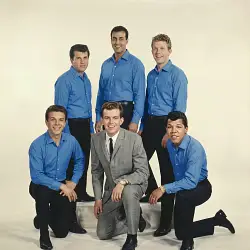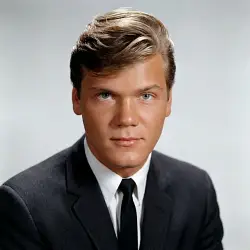
When “Moody River” by Pat Boone climbed the charts in 1961, it stood out from many of the upbeat pop songs of the time. Beneath its smooth melody was a surprisingly dark and emotional story—one that caught listeners off guard.
✍️ A Song with a Tragic Twist
“Moody River” was written by Gary D. Bruce, who crafted a narrative that unfolds like a short story.
At first, it seems simple:
A young man is waiting for his girlfriend by the river, expecting a romantic meeting.
But as the song progresses, something feels off.
🎼 A Story That Unfolds Line by Line
The lyrics slowly reveal what really happened:
- The girl never shows up
- A note is discovered
- And the truth comes to light—she has taken her own life
It’s a shocking turn, especially for a pop song of the early 1960s.
The final lines leave the listener with a haunting image and a sense of unresolved emotion.
🎤 Pat Boone’s Smooth Delivery
One reason the song had such impact is the way Pat Boone delivered it.
Known for his clean, polished vocal style, Boone didn’t overplay the drama. Instead, he kept the tone calm and controlled.
That contrast—between the smooth delivery and the tragic story—made the song even more powerful.
🏆 A Major Hit
“Moody River” became one of Pat Boone’s biggest hits:
- Reached #1 on the Billboard Hot 100 in 1961
- Showed a more serious side of his music
- Stood out in an era dominated by lighter pop songs
It proved that audiences were open to deeper, more emotional storytelling.
🌊 Why “Moody River” Was Different
At a time when most hit songs focused on romance and fun, “Moody River” took a darker, more reflective approach.
It dealt with:
- Loss
- Mystery
- Emotional pain
And it did so in a way that felt subtle, not sensational.
🎧 A Song That Lingers
“Moody River” isn’t just memorable because of its melody—it stays with you because of its story.
The slow reveal, the unexpected ending, and the emotional weight all combine to create something unique.
🎵 A Different Kind of #1 Hit
“Moody River” showed that even within mainstream pop, there was room for storytelling that challenged expectations.
It remains one of the most unusual—and haunting—hits of its time.