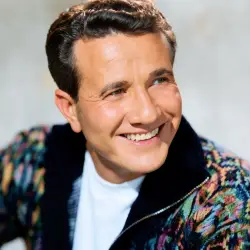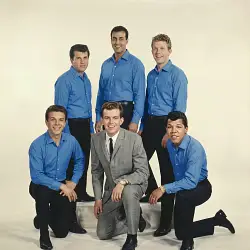
When “Walk Like a Man” by The Four Seasons was released in 1963, it became the third straight #1 hit for The Four Seasons—a remarkable achievement that confirmed their dominance in the early 1960s.
With its powerful vocals and driving rhythm, the song stood out as one of their most energetic recordings.
✍️ Written by Bob Gaudio
The song was written by:
Gaudio was responsible for many of the group’s biggest hits, and “Walk Like a Man” continued his streak of strong, memorable songwriting.
💔 A Message of Strength After Heartbreak
Lyrically, the song centers around:
- A breakup
- Emotional resilience
- Moving forward with confidence
The title phrase encourages standing tall and not letting heartbreak define you.
🎼 A Bold, Driving Sound
Musically, “Walk Like a Man” is built for impact:
- Strong, pounding rhythm
- Prominent percussion
- Tight vocal harmonies
The beat gives the song a sense of urgency and power.
🎙️ Frankie Valli’s Signature Falsetto
One of the most striking elements of the song is:
👉 Frankie Valli’s high falsetto vocals
His delivery is:
- Powerful
- Emotional
- Instantly recognizable
It became one of the defining sounds of The Four Seasons.
🏆 A Historic #1 Run
“Walk Like a Man” achieved major success:
- Reached #1 on the Billboard Hot 100 in 1963
- Followed “Sherry” and “Big Girls Don’t Cry” as consecutive #1 hits
- Solidified the group’s place at the top of the charts
🌎 Why the Song Connected
The song resonated because it combined:
- A relatable theme of heartbreak
- A strong, confident message
- A unique vocal style
It was both emotional and empowering.
🎧 Why It Still Matters Today
Even now, the song remains popular because:
- Its rhythm is energetic and memorable
- Its message is timeless
- Its vocals are distinctive
🎵 A Defining Sound of the Early 1960s
“Walk Like a Man” wasn’t just another hit—it helped define the signature sound of The Four Seasons.
With three consecutive #1 songs, the group proved they were one of the most important acts of their time.