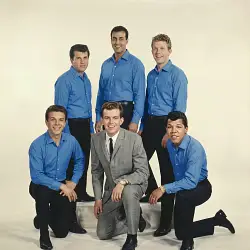
When “Walk Right In” by The Rooftop Singers became a #1 hit in 1963, it introduced a new generation to a song that had actually been around for decades.
What made this version special was how The Rooftop Singers took an old folk-blues tune and transformed it into a bright, modern hit.
🎶 A Song with Deep Roots
“Walk Right In” was originally written and recorded in 1929 by:
- Gus Cannon and his Jug Stompers
The original version had a laid-back, bluesy feel rooted in early American folk traditions.
✍️ A Modern Revival
In the early 1960s, during the folk revival, The Rooftop Singers reimagined the song:
- Faster tempo
- Cleaner, more upbeat arrangement
- Strong vocal harmonies
They kept the spirit of the original while making it accessible to pop audiences.
🎼 A Bright, Upbeat Sound
The Rooftop Singers’ version stands out because of its energy:
- Lively acoustic guitar
- Crisp rhythm
- Simple but catchy melody
It feels light, inviting, and easy to enjoy.
🎙️ A Unique Vocal Blend
The trio’s vocals are:
- Clear and harmonious
- Slightly conversational
- Full of personality
Their delivery gives the song a friendly, welcoming feel—matching the title.
🏆 A #1 Hit
“Walk Right In” became a massive success:
- Reached #1 on the Billboard Hot 100 in 1963
- Became one of the biggest folk-pop hits of the era
- Helped bring traditional folk music into the mainstream
🌎 Why the Song Connected
The song resonated because it combined:
- A familiar, traditional foundation
- A fresh, modern sound
- An upbeat, positive energy
It appealed to both older listeners and a younger generation.
🎧 Why It Still Matters Today
Even now, “Walk Right In” remains important because:
- It bridges past and present musical styles
- It represents the folk revival movement
- Its melody is timeless and easy to remember
🎵 A Classic Reimagined
“Walk Right In” shows how music can evolve across generations.
By updating a decades-old song, The Rooftop Singers created a hit that honored the past while capturing the spirit of the 1960s.