
The Other Temptations: The One-Hit New York Group
Peak: #29 | Debut: 04/18/60 | Peak Date: 05/16/60 | Weeks on Chart: 10
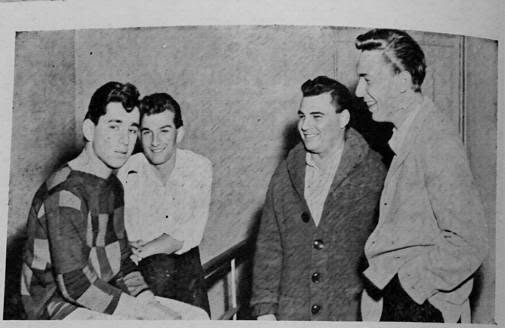
If you search “The Temptations” today, you’ll find the legendary Motown group — the smooth harmonies, the sharp choreography, the string of #1 hits that shaped the sound of soul music. But in the spring of 1960, a year before that Motown group even formed, a completely different group called The Temptations was climbing the Billboard Hot 100 with a tender doo-wop ballad called “Barbara,” which peaked at #29 on the Billboard Hot 100 and #38 on the Cash Box chart. Wikipedia
This Temptations wasn’t from Detroit. They were a vocal group from New York, managed by a young Arthur “Artie” Ripp, and their lineup couldn’t have been more different from the group that would later claim the name. “Barbara” was a sweet, pleading love song built on gentle harmonies, and the lineup featured lead singer Neil Stevens alongside Larry Curtis, Artie Sands, and Artie Marin. Wikipedia + 2
The song caused real confusion on the ground. According to one longtime New York record store owner, shoppers would come in asking for the “new Temptations record” expecting one sound and get something else entirely — the group were white doo-wop singers whose voice and style caught listeners off guard next to the R&B and soul acts dominating the same charts.
“Barbara” turned out to be this group’s only real moment in the national spotlight. Shortly after the song became a hit, lead singer Neil Stevens left to pursue a solo career, and the group’s other releases — including “Fickle Little Girl,” “Letter of Devotion,” “Ballad of Love,” and “Tonight My Heart She Is Crying” — never found the same audience. WikipediaWikipedia
There’s a footnote to the story worth knowing, too: manager Artie Ripp went on to co-found Kama Sutra Records, and years later became the first person to sign Billy Joel as a solo artist — a link between this brief 1960 doo-wop hit and one of the biggest names in 1970s pop songwriting. Wikipedia
By the time the real Temptations — Otis Williams, Eddie Kendricks, Paul Williams, Melvin Franklin, and Elbridge Bryant — signed with Motown in 1961, this New York group was already history, its brief run on the charts eclipsed almost entirely by the group that would go on to define the name for good.