
Billboard Hot 100 | Top 5 – Week of April 7, 1962
April 7, 1962 brought a soft, dreamy teen-pop moment to the top of the Billboard Hot 100 as Shelley Fabares reached #1 with “Johnny Angel.” After weeks of dance records, rhythm and blues drama, jazz surprises, and upbeat pop-rock hits, this chart shifted toward a gentler sound. The new #1 felt innocent, romantic, and perfectly suited to early 1960s teenage daydreams.
Connie Francis slipped to #2 with “Don’t Break The Heart That Loves You,” while Elvis Presley surged from #9 to #3 with “Good Luck Charm.” That gave the upper chart a strong mix of female pop, teen romance, and established star power. Chubby Checker also remained part of the story with “Slow Twistin’,” proving that the dance craze still had life beyond the original Twist records.
The Top 10 showed the chart’s wide personality. Roy Orbison stayed in the Top 5 with “Dream Baby,” Bruce Channel’s “Hey! Baby” remained strong after its #1 run, Kenny Ball and his Jazzmen kept jazz in the mix, and Dee Dee Sharp brought a new dance craze into the Top 10 with “Mashed Potato Time.”
This was a week where early 1962 pop felt especially colorful. The chart could make room for Shelley Fabares’ TV-friendly sweetness, Elvis Presley’s charm, Roy Orbison’s emotional intensity, and the dance-floor pull of Chubby Checker and Dee Dee Sharp. The Hot 100 was no longer moving in one direction. It was spreading out into many different moods at once.
Top 5 Songs
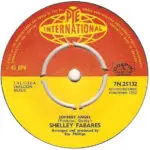
1. Johnny Angel – Shelley Fabares
“Johnny Angel” climbed from #3 to #1 this week, giving Shelley Fabares the biggest hit of her recording career. The song’s rise was a perfect example of how television visibility, youthful romance, and a beautifully simple melody could combine into a major pop moment.
The record had a gentle, almost storybook quality. Fabares’ vocal was soft and sincere, matching the song’s dreamy portrait of an ideal boy. It did not push hard or try to sound dramatic. Instead, it leaned into innocence, which made it especially appealing to young listeners.
“Johnny Angel” became one of the signature teen-pop records of 1962. Its success showed that even as rhythm and blues, rock and roll, and dance records were reshaping the chart, there was still enormous room for sweet romantic fantasy at the very top of American pop music.
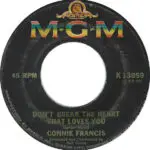
2. Don’t Break The Heart That Loves You – Connie Francis
Connie Francis moved from #1 to #2 with “Don’t Break The Heart That Loves You,” but the record remained one of the strongest ballads on the chart. Francis had already proven her ability to carry emotional pop songs with grace, and this one continued to show her command.
The song’s appeal came from its polished heartbreak. Francis delivered the lyric with control and maturity, giving the record a sense of emotional seriousness without making it feel heavy. That balance helped it connect across generations.
Even after losing the top spot, “Don’t Break The Heart That Loves You” remained an important reminder that classic pop balladry still had real power in 1962. Connie Francis continued to be one of the most dependable and successful female voices of the era.
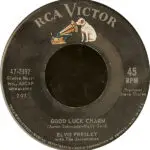
3. Good Luck Charm – Elvis Presley
Elvis Presley made a major move this week as “Good Luck Charm” jumped from #9 to #3. After the elegant romance of “Can’t Help Falling In Love,” this record returned Elvis to a brighter, more playful pop sound.
The song had an easy charm that fit Presley perfectly. Its upbeat rhythm, catchy hook, and relaxed vocal performance made it sound friendly and effortless. Elvis did not need to chase trends. He could still bring a song up the chart simply by making it feel natural and memorable.
“Good Luck Charm” was another example of Presley’s staying power in the early 1960s. Even as new artists and new styles crowded the Hot 100, Elvis remained one of the most reliable hitmakers in American music.

4. Slow Twistin’ – Chubby Checker with Dee Dee Sharp
Chubby Checker climbed from #6 to #4 with “Slow Twistin’,” joined by Dee Dee Sharp, one of the rising young voices connected to the dance-craze scene. The record showed that the Twist movement still had commercial power even as newer sounds began crowding the chart.
Unlike the frantic energy of some dance records, “Slow Twistin’” leaned into a looser groove. The duet feel gave it extra personality, and the combination of Checker’s established dance-craze identity with Sharp’s fresh presence helped keep the record lively.
The song also helped bridge two dance moments. Chubby Checker had made the Twist a national obsession, while Dee Dee Sharp was about to become closely tied to the Mashed Potato craze. This record captured that handoff beautifully.

5. Dream Baby (How Long Must I Dream) – Roy Orbison
Roy Orbison slipped from #4 to #5 with “Dream Baby,” but the record remained one of the most distinctive songs in the Top 5. Orbison’s voice gave the song an emotional depth that few singers of the era could match.
The record blended a steady rhythm with a longing vocal, creating a sound that was both catchy and haunting. Orbison had a rare ability to make even a relatively upbeat song feel touched by loneliness, and “Dream Baby” carried that quality beautifully.
Its continued Top 5 presence showed how strongly Orbison’s unique style was connecting with listeners. He was not just another early 1960s pop singer. He was building a sound that belonged almost entirely to him.
More Weeks at #1 for “Johnny Angel”
This song spent multiple weeks at #1 on the Billboard Hot 100. Explore each chart week below:
🎂 What Was the #1 Song on Your Birthday?
If you were born during the week ending April 7, 1962, this was your birthday song:
🎵 Johnny Angel by Shelley Fabares
▶ Watch and experience this song →
🎂 Try your own birthday:
- Johnny Angel – Shelley Fabares
- Don’t Break The Heart That Loves You – Connie Francis
- Good Luck Charm – Elvis Presley With The Jordanaires
- Slow Twistin’ – Chubby Checker with Dee Dee Sharp
- Dream Baby (How Long Must I Dream) – Roy Orbison
- Hey! Baby – Bruce Channel
- Midnight In Moscow – Kenny Ball and his Jazzmen
- Young World – Rick Nelson
- Love Letters – Ketty Lester
- Mashed Potato Time – Dee Dee Sharp
Chart Movers This Week
Teen Romance Took the Spotlight
The April 7, 1962 Billboard Hot 100 showed how quickly the mood of the chart could change. After weeks of dance records and rhythm-driven hits, Shelley Fabares brought a soft teen-pop ballad to #1 with “Johnny Angel.” It was gentle, innocent, and perfectly matched to the early 1960s ideal of romantic daydreaming.
But the rest of the chart was anything but quiet. Elvis Presley was charging upward with “Good Luck Charm,” Chubby Checker and Dee Dee Sharp kept the dance-floor energy alive, Roy Orbison added emotional drama, and Dee Dee Sharp’s “Mashed Potato Time” signaled that a new dance craze was beginning to take shape.
That mix made this week especially revealing. Early 1962 pop was not moving in a straight line. It was branching out — toward teen idols, dance records, polished pop singers, emotional balladeers, and rock and roll stars. The Hot 100 was becoming a lively reflection of everything young America was listening to, dancing to, and dreaming about.