
Billboard Hot 100 | Top 5 – Week of April 14, 1962
By April 14, 1962, Shelley Fabares was still sitting at #1 with “Johnny Angel,” keeping one of the sweetest teen-pop ballads of the season at the top of the Billboard Hot 100. The record’s soft, dreamy mood stood in sharp contrast to the dance records and rhythm-driven hits moving around it, which made the chart feel especially varied this week.
Elvis Presley climbed to #2 with “Good Luck Charm,” showing once again that the King could still move quickly toward the top with a bright, confident pop single. Right behind him, Chubby Checker and Dee Dee Sharp rose with “Slow Twistin’,” while Dee Dee Sharp’s own “Mashed Potato Time” jumped into the Top 5. The dance-floor energy that had powered early 1962 was clearly still alive, but it was beginning to shift from the Twist to the Mashed Potato.
The Top 10 also included Ketty Lester’s elegant “Love Letters,” Rick Nelson’s “Young World,” Clyde McPhatter’s “Lover Please,” Kenny Ball’s jazz-flavored “Midnight In Moscow,” and Bruce Channel’s former #1 “Hey! Baby.” That lineup gave the week a wonderfully broad personality, mixing teen romance, Elvis charm, dance crazes, vocal elegance, jazz, and rhythm and blues.
This was a chart full of transition. “Johnny Angel” represented the innocence of early 1960s teen pop, while “Mashed Potato Time” and “Slow Twistin’” pointed toward the next wave of dance records. Meanwhile, Elvis, Ketty Lester, and Clyde McPhatter reminded listeners that strong voices and memorable melodies could still cut through any trend.
Top 5 Songs
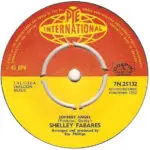
1. Johnny Angel – Shelley Fabares
“Johnny Angel” held #1 for a second week, keeping Shelley Fabares at the top with one of the most tender pop hits of 1962. The song’s appeal came from its gentle innocence, soft vocal delivery, and idealized picture of teenage romance.
Fabares’ performance sounded sincere and almost dreamlike. She did not sing with dramatic force; instead, she leaned into the sweetness of the lyric. That made the record feel intimate and youthful, like a private daydream turned into a pop song.
The song’s success also showed the power of television-era teen appeal. Fabares was already familiar to audiences, and “Johnny Angel” fit beautifully into the softer side of early 1960s pop culture. It became one of the decade’s most memorable examples of romantic teen-pop innocence.
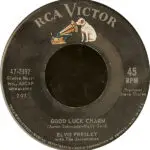
2. Good Luck Charm – Elvis Presley
Elvis Presley climbed from #3 to #2 with “Good Luck Charm,” putting him within striking distance of another #1 hit. The song had the relaxed confidence that made Presley such a reliable chart force in the early 1960s.
Unlike the sweeping romance of “Can’t Help Falling In Love,” this record felt lighter and more playful. Its catchy rhythm and easygoing charm gave Elvis room to sound loose, confident, and completely in control. He made the song feel effortless.
“Good Luck Charm” showed how easily Elvis could shift between moods. One month he could deliver a timeless ballad, and soon after he could climb the chart with a bright pop single. That versatility helped keep him near the center of American music even as new trends kept arriving.

3. Slow Twistin’ – Chubby Checker with Dee Dee Sharp
Chubby Checker and Dee Dee Sharp climbed from #4 to #3 with “Slow Twistin’,” giving the Top 5 another strong dance record. Checker had already become the face of the Twist craze, and this duet helped extend the movement into the spring of 1962.
The record had a looser, more playful groove than the original “The Twist.” Dee Dee Sharp’s presence added freshness, and the chemistry between the two performers gave the song a party-like feel. It sounded less like a repeat and more like a continuation of the dance-floor conversation.
Its success also connected two major dance moments. Checker carried the Twist legacy, while Sharp was beginning to define the Mashed Potato craze. Together, they helped show how dance records were becoming a major part of pop culture’s weekly rhythm.
4. Mashed Potato Time – Dee Dee Sharp
Dee Dee Sharp made a huge move this week as “Mashed Potato Time” jumped from #10 to #4. The song signaled that the next dance craze was arriving quickly, and Sharp’s youthful energy made it feel fresh and exciting.
The record was bright, rhythmic, and easy to join. Like the Twist, the Mashed Potato invited listeners to participate, but Sharp gave it her own personality. Her vocal sounded confident and fun, helping the song stand out from the many dance records competing for attention.
“Mashed Potato Time” would become Dee Dee Sharp’s signature hit and one of the defining dance records of 1962. Its climb into the Top 5 this week showed that America’s appetite for dance music was far from over.
5. Love Letters – Ketty Lester
Ketty Lester climbed from #9 to #5 with “Love Letters,” bringing a graceful and emotional ballad into the Top 5. In a week filled with dance records and teen-pop energy, Lester’s performance gave the chart a quieter, more intimate moment.
The song’s beauty came from its restraint. Lester sang with warmth and elegance, allowing the lyric to feel personal rather than overly dramatic. The record had a timeless quality that connected with listeners who loved romantic pop sung with sincerity.
“Love Letters” stood apart because it did not chase the trends around it. It succeeded through mood, melody, and vocal control. Its rise into the Top 5 showed that there was still plenty of room on the Hot 100 for sophisticated emotional ballads.
More Weeks at #1 for “Johnny Angel”
This song spent multiple weeks at #1 on the Billboard Hot 100. Explore each chart week below:
🎂 What Was the #1 Song on Your Birthday?
If you were born during the week ending April 14, 1962, this was your birthday song:
🎵 Johnny Angel by Shelley Fabares
▶ Watch and experience this song →
🎂 Try your own birthday:
- Johnny Angel – Shelley Fabares
- Good Luck Charm – Elvis Presley With The Jordanaires
- Slow Twistin’ – Chubby Checker with Dee Dee Sharp
- Mashed Potato Time – Dee Dee Sharp
- Love Letters – Ketty Lester
- Young World – Rick Nelson
- Don’t Break The Heart That Loves You – Connie Francis
- Lover Please – Clyde McPhatter
- Midnight In Moscow – Kenny Ball and his Jazzmen
- Hey! Baby – Bruce Channel
Chart Movers This Week
Dance Crazes and Teen Dreams Shared the Chart
The April 14, 1962 Billboard Hot 100 captured two major currents running through early 1960s pop. At #1, Shelley Fabares kept the soft teen dream of “Johnny Angel” alive. Just below, Elvis Presley brought star power, while Chubby Checker and Dee Dee Sharp pushed dance music forward.
Dee Dee Sharp’s double presence in the Top 5 was especially important. She appeared with Chubby Checker on “Slow Twistin’” and on her own with “Mashed Potato Time,” making her one of the week’s central figures. The Twist may have started the craze, but the Mashed Potato was quickly taking its place beside it.
At the same time, Ketty Lester’s “Love Letters” added elegance and emotional depth, while Connie Francis, Kenny Ball, Clyde McPhatter, and Bruce Channel rounded out a Top 10 full of different textures. This was the Hot 100 at its most colorful: romantic, rhythmic, youthful, polished, and always moving.