
Billboard Hot 100 | Top 5 – Week of July 7, 1962
The Billboard Hot 100 for July 7, 1962 brought a major change at the top. After Ray Charles had dominated the early summer with the emotional sweep of “I Can’t Stop Loving You,” David Rose and His Orchestra moved into the #1 position with “The Stripper,” one of the most recognizable instrumentals of the era.
This was a chart full of contrasts. A bold, brassy instrumental sat at #1, while Bobby Vinton’s “Roses Are Red (My Love)” climbed quickly with a soft romantic style that would soon make him one of the decade’s most dependable pop balladeers. Ray Charles remained powerful at #3, showing that his crossover success still had plenty of strength.
Below them, Freddy Cannon kept the energy high with “Palisades Park,” a record that sounded like summer fun in motion. Johnny Tillotson rounded out the Top 5 with the aching country-pop feel of “It Keeps Right On A-Hurtin’,” giving the week a mix of spectacle, heartbreak, teen pop, adult pop, and early 1960s radio polish.
The rest of the Top 10 showed even more movement. Emilio Pericoli, Claude King, Joe Henderson, and Joanie Sommers were all climbing, while The Marvelettes kept Motown’s early momentum alive with “Playboy.” It was a week where the old and new sides of pop music met right in the middle of the summer charts.
Top 5 Songs
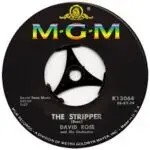
1. The Stripper – David Rose and His Orchestra
“The Stripper” reached #1 this week after climbing from #2, giving David Rose and His Orchestra one of the most unusual chart-topping moments of 1962. The song had a bold, burlesque-inspired sound, built around a slow, teasing brass arrangement that was instantly recognizable.
Instrumentals were still a major part of early 1960s pop radio, and “The Stripper” fit that world perfectly while also standing apart from it. It had humor, attitude, and a sense of showmanship that made it feel almost theatrical. Even without lyrics, it painted a picture immediately.
The record’s rise to #1 showed how open the Hot 100 still was to novelty, orchestral pop, and records with a strong musical hook. In a decade that would soon be shaped by vocal groups, soul singers, folk-rock, and the British Invasion, “The Stripper” was a reminder that a great instrumental could still stop listeners in their tracks.
▶ Watch and experience this song →
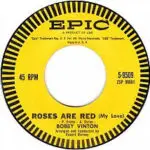
2. Roses Are Red (My Love) – Bobby Vinton
Bobby Vinton made a strong move this week as “Roses Are Red (My Love)” climbed from #5 to #2. The song’s gentle romantic style gave listeners something sweet and sentimental, a sharp contrast to the brassy confidence of “The Stripper.”
Vinton’s smooth delivery helped the record stand out. While many early 1960s hits leaned on dance beats, novelty sounds, or teen energy, “Roses Are Red” brought back the polished pop ballad tradition. It was simple, direct, and easy to remember.
This record also marked an important turning point for Bobby Vinton. It helped establish him as one of the decade’s major romantic pop voices. His appeal would continue through the 1960s, especially with listeners who loved sincere melodies and heartfelt lyrics.
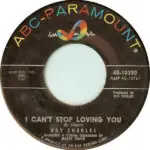
3. I Can’t Stop Loving You – Ray Charles
After a powerful run at #1, Ray Charles slipped to #3 with “I Can’t Stop Loving You.” Even after losing the top spot, the record remained one of the defining songs of the summer. Its emotional force was still unmistakable.
Ray Charles brought country, soul, pop, and gospel feeling together in a way few artists could. His version of “I Can’t Stop Loving You” did not sound boxed into one category. It crossed musical boundaries and proved that great feeling could travel across audiences.
The song’s long stay near the top showed how deeply it connected with listeners. In 1962, Ray Charles was not just having a hit. He was changing the way popular music could sound, especially by showing that country songs could become soul-pop landmarks in the right hands.
4. Palisades Park – Freddy Cannon
Freddy Cannon’s “Palisades Park” moved from #3 to #4 this week, but it still carried plenty of excitement. The song was loud, playful, and packed with the feeling of a summer amusement park. It was practically built for car radios and teenage fun.
Cannon’s vocal style gave the record its spark. He sounded enthusiastic and slightly wild, which matched the song’s roller-coaster energy. The music had drive, humor, and a sense of motion that made it one of the most memorable pop-rock records of the year.
“Palisades Park” also captured a piece of early 1960s youth culture. Before rock music became heavier and more serious later in the decade, songs like this celebrated motion, fun, and weekend freedom. It remains one of Freddy Cannon’s signature records.
5. It Keeps Right On A-Hurtin’ – Johnny Tillotson
Johnny Tillotson held strong in the Top 5 with “It Keeps Right On A-Hurtin’,” slipping from #4 to #5. The song brought a different kind of feeling to the chart, blending pop with a country-flavored sadness that gave it real emotional weight.
Tillotson’s performance was gentle but wounded. He did not oversing the song, which helped make the hurt feel believable. That approach gave the record a lasting quality, especially for listeners who connected with heartbreak songs that sounded personal instead of theatrical.
The song’s success also showed how country-pop sounds were finding a steady place on the Hot 100. Alongside Ray Charles’ crossover success, Tillotson’s record helped prove that the line between pop and country was becoming more flexible in the early 1960s.
🎂 What Was the #1 Song on Your Birthday?
If you were born during the week ending July 7, 1962, this was your birthday song:
🎵 The Stripper by David Rose
▶ Watch and experience this song →
🎂 Try your own birthday:
- The Stripper – David Rose and His Orchestra
- Roses Are Red (My Love) – Bobby Vinton
- I Can’t Stop Loving You – Ray Charles
- Palisades Park – Freddy Cannon
- It Keeps Right On A-Hurtin’ – Johnny Tillotson
- Al Di La’ – Emilio Pericoli
- Wolverton Mountain – Claude King
- Snap Your Fingers – Joe Henderson
- Johnny Get Angry – Joanie Sommers
- Playboy – The Marvelettes
Chart Movers This Week
A Summer Week Full Of Surprises
The July 7, 1962 Billboard Hot 100 showed just how unpredictable pop music could be. A theatrical instrumental took over #1, a romantic ballad was closing in fast, and one of Ray Charles’ greatest crossover records was still holding strong near the top.
This week also showed the wide range of early 1960s radio. Teen pop, orchestra music, country-pop, rhythm and blues, and Motown could all live together on the same countdown. That variety is part of what makes these charts so fascinating decades later.
For listeners in the summer of 1962, the soundtrack was changing week by week. Some songs were playful, some were heartbroken, and some were unlike anything else on the radio. This was one of those weeks where the Hot 100 felt colorful, unpredictable, and completely alive.