Billboard Hot 100 | Top 5 – Week of July 21, 1962
The Billboard Hot 100 for July 21, 1962 showed Bobby Vinton firmly holding onto the #1 position as “Roses Are Red (My Love)” remained America’s biggest song for a second straight week. Its soft romantic sound continued to connect with listeners during the middle of the summer.
But while Vinton stayed on top, one of the fastest-moving songs in the country was quickly climbing behind him. The Orlons’ “The Wah Watusi” jumped from #4 to #2, giving the charts another major dance-craze record and showing how powerful teen dance culture had become in 1962.
Ray Charles still held strong at #3 with “I Can’t Stop Loving You,” while David Rose and His Orchestra remained in the Top 5 with the unforgettable instrumental “The Stripper.” Brian Hyland’s “Sealed With A Kiss” completed a Top 5 that balanced romance, dance music, emotional soul-pop, and playful instrumentals all at once.
Further down the chart, Claude King, Joanie Sommers, Pat Boone, Dee Dee Sharp, and Freddy Cannon kept the Top 10 filled with variety. Country crossover records, novelty songs, teen pop, and dance hits all continued sharing space on American radio during one of the most musically diverse summers of the early 1960s.
Top 5 Songs
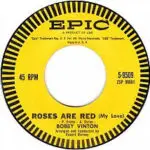
1. Roses Are Red (My Love) – Bobby Vinton
Bobby Vinton remained at #1 this week with “Roses Are Red (My Love),” confirming that the song was far more than a quick summertime hit. Its warm melody and heartfelt simplicity helped it stand apart from the louder and more energetic records climbing around it.
Vinton’s gentle vocal style gave the song a timeless quality. The record felt sincere instead of flashy, which helped it appeal to listeners of different ages. In many ways, it represented the continuing strength of traditional romantic pop before the musical revolutions later in the decade reshaped radio.
The success of “Roses Are Red” also turned Bobby Vinton into a major star almost overnight. He would go on to become one of the most successful ballad singers of the 1960s, and this song was the record that opened that door.
2. The Wah Watusi – The Orlons
“The Wah Watusi” climbed from #4 to #2 this week, making The Orlons one of the hottest acts in America. The song’s rhythm, catchy chorus, and dance-focused energy fit perfectly into the early 1960s craze for records built around popular dances.
The group’s upbeat performance gave the record a fun and youthful sound that worked especially well during the summer months. Songs like this became staples of teen dances, radio countdowns, and jukeboxes across the country.
The rapid climb of “The Wah Watusi” also showed how powerful the Cameo-Parkway sound had become. Philadelphia dance records were dominating youth culture during this period, and The Orlons became one of the label’s biggest success stories.
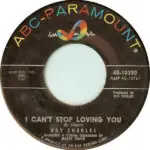
3. I Can’t Stop Loving You – Ray Charles
Ray Charles stayed at #3 this week with “I Can’t Stop Loving You,” continuing one of the most important chart runs of 1962. Even after several weeks near the top, the song still sounded emotional, powerful, and completely unique on pop radio.
Charles had taken a country standard and transformed it into something larger than any single musical category. Soul, pop, gospel, and country influences blended together naturally in a way that helped expand what mainstream audiences expected from popular music.
The song’s staying power showed just how deeply it connected with listeners. By the summer of 1962, Ray Charles was no longer simply a successful recording artist. He was becoming one of the defining musical voices of the era.
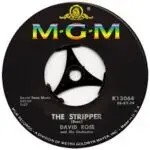
4. The Stripper – David Rose and His Orchestra
David Rose and His Orchestra slipped from #2 to #4 with “The Stripper,” but the instrumental remained one of the year’s most recognizable hits. Its playful brass arrangement and theatrical style continued to make it instantly memorable.
The song stood apart from the vocal-heavy world of early 1960s pop music. Without using lyrics at all, “The Stripper” created a mood that listeners recognized immediately. It was dramatic, humorous, and unlike almost anything else on the chart.
Its continued success also reminded listeners that instrumentals still had major commercial power in 1962. Before rock bands fully reshaped the charts later in the decade, orchestra-driven pop records could still become national sensations.
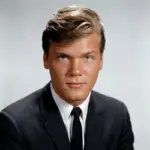
5. Sealed With A Kiss – Brian Hyland
Brian Hyland held at #5 this week with “Sealed With A Kiss,” one of the summer’s most emotional teen ballads. While many songs on the chart focused on dancing or excitement, this record slowed things down and centered on separation and longing.
Hyland’s soft vocal delivery matched the song perfectly. The story of two young people separated during the summer gave the record a bittersweet feeling that connected strongly with teenage listeners.
“Sealed With A Kiss” would go on to become one of the defining heartbreak songs of the early 1960s. Its continued rise showed that emotional ballads still had enormous power during an era filled with upbeat pop records and dance crazes.
More Weeks at #1 for “Roses Are Red (My Love)”
This song spent multiple weeks at #1 on the Billboard Hot 100. Explore each chart week below:
🎂 What Was the #1 Song on Your Birthday?
If you were born during the week ending July 21, 1962, this was your birthday song:
🎵 Roses Are Red (My Love) by Bobby Vinton
▶ Watch and experience this song →
🎂 Try your own birthday:
- Roses Are Red (My Love) – Bobby Vinton
- The Wah Watusi – The Orlons
- I Can’t Stop Loving You – Ray Charles
- The Stripper – David Rose and His Orchestra
- Sealed With A Kiss – Brian Hyland
- Wolverton Mountain – Claude King
- Johnny Get Angry – Joanie Sommers
- Speedy Gonzales – Pat Boone
- Gravy (For My Mashed Potatoes) – Dee Dee Sharp
- Palisades Park – Freddy Cannon
Chart Movers This Week
A Summer Chart Filled With Variety
The July 21, 1962 Billboard Hot 100 captured the remarkable variety of early 1960s pop music. Romantic ballads, dance records, instrumentals, soul crossovers, and country-influenced songs all shared space near the top of the same chart.
Bobby Vinton’s smooth pop style represented one side of American music, while The Orlons brought youthful dance energy and Ray Charles continued breaking musical boundaries. Together, they showed how wide the definition of a hit song had become.
For listeners in the summer of 1962, the radio offered something different every few minutes. One song could make you dance, another could make you laugh, and another could leave you remembering an old heartbreak. That mix of sounds and emotions is exactly what made this era of the Billboard Hot 100 so unforgettable.