
Billboard Hot 100 | Top 5 – Week of September 1, 1962
The Billboard Hot 100 for September 1, 1962 opened the month with a brand-new #1 song as Tommy Roe’s “Sheila” leaped from #5 to the top spot. After weeks of dance records and polished pop ballads leading the chart, Roe brought a bright, Buddy Holly-inspired rock and roll sound back to #1.
Little Eva slipped to #2 with “The Loco-Motion,” but the record remained one of the year’s biggest dance hits. Neil Sedaka’s “Breaking Up Is Hard To Do” also stayed strong at #3, continuing its run as one of 1962’s most polished and unforgettable pop singles.
Ray Charles held at #4 with “You Don’t Know Me,” giving the Top 5 a deep emotional counterpoint to the youthful energy around it. Claudine Clark’s “Party Lights” moved up to #5, adding another lively teen-centered record to a chart that still sounded like summer even as September began.
The rest of the Top 10 showed the range of early 1960s radio. Elvis Presley, Bobby Darin, Bobby Vinton, Connie Francis, and Dion all remained in the mix, proving that the charts could still hold teen idols, balladeers, rock and rollers, and veteran pop stars all at once.
Top 5 Songs
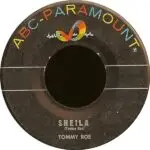
1. Sheila – Tommy Roe
Tommy Roe reached #1 this week with “Sheila,” completing a fast climb that turned him into one of the most exciting young pop-rock names of 1962. The song’s crisp rhythm, catchy title, and youthful vocal style helped it stand out immediately on radio.
Many listeners heard echoes of Buddy Holly in Roe’s vocal approach and guitar-driven sound. That connection gave “Sheila” a familiar rock and roll charm while still fitting neatly into the cleaner, brighter pop style of the early 1960s.
The record became Tommy Roe’s breakthrough hit and gave him a signature song that would remain closely tied to his career. Its rise to #1 showed that simple, energetic pop-rock still had plenty of power during a year dominated by dance crazes, ballads, and novelty records.
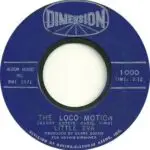
2. The Loco-Motion – Little Eva
Little Eva slipped from #1 to #2 with “The Loco-Motion,” but the song remained one of the defining records of 1962. Its dance instructions, strong beat, and joyful vocal performance made it a natural favorite for teenagers across the country.
The song had more staying power than many dance records because it was built on strong songwriting. Gerry Goffin and Carole King gave “The Loco-Motion” a memorable structure and a chorus that felt instantly familiar.
Even after leaving #1, the record still felt fresh and full of motion. It helped capture the social energy of the early 1960s, when a hit song could also become a dance everyone wanted to try.
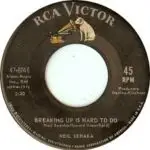
3. Breaking Up Is Hard To Do – Neil Sedaka
Neil Sedaka remained near the top at #3 with “Breaking Up Is Hard To Do,” continuing one of the strongest chart runs of his career. The song’s upbeat take on heartbreak kept it sounding lively even as it moved down from its #1 peak.
Sedaka’s great strength was turning emotional subjects into polished pop records. The lyrics were about a painful breakup, but the melody was bright, memorable, and easy to sing along with.
The record became one of his signature hits and one of the clearest examples of early 1960s pop craftsmanship. It had charm, structure, and a chorus that listeners could remember decades later.
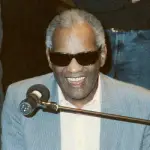
4. You Don’t Know Me – Ray Charles
Ray Charles held steady at #4 with “You Don’t Know Me,” bringing deep emotional weight to this week’s Top 5. While several songs around it were built on rhythm and youthful energy, Charles offered quiet heartbreak and restraint.
The song showed his gift for making every lyric feel personal. His vocal performance was controlled but full of feeling, turning a familiar story of hidden love into something deeply moving.
Its continued success showed how strong Ray Charles’ crossover appeal remained in 1962. After the massive impact of “I Can’t Stop Loving You,” he proved again that he could bring country-pop material to mainstream audiences with soul and honesty.
5. Party Lights – Claudine Clark
Claudine Clark climbed to #5 with “Party Lights,” giving the Top 5 another record full of teenage excitement. The song captured the feeling of wanting to be part of the fun, hearing the music, and longing to join the party.
Clark’s performance gave the record its charm. She sounded youthful, urgent, and full of personality, which helped make the song more than just another party record. It had a story that many young listeners could understand.
“Party Lights” became her signature hit and one of the memorable one-shot pop successes of the early 1960s. Its climb into the Top 5 showed how strongly teenage themes continued to shape the sound of American radio.
More Weeks at #1 for “Sheila”
This song spent multiple weeks at #1 on the Billboard Hot 100. Explore each chart week below:
🎂 What Was the #1 Song on Your Birthday?
If you were born during the week ending September 1, 1962, this was your birthday song:
🎵 Sheila by Tommy Roe
▶ Watch and experience this song →
🎂 Try your own birthday:
- Sheila – Tommy Roe
- The Loco-Motion – Little Eva
- Breaking Up Is Hard To Do – Neil Sedaka
- You Don’t Know Me – Ray Charles
- Party Lights – Claudine Clark
- She’s Not You – Elvis Presley
- Things – Bobby Darin
- Roses Are Red (My Love) – Bobby Vinton
- Vacation – Connie Francis
- Little Diane – Dion
Chart Movers This Week
September Began With A Rock And Roll Spark
The September 1, 1962 Billboard Hot 100 marked a lively change at the top. Tommy Roe’s “Sheila” brought a clean, guitar-driven rock and roll sound to #1, while Little Eva and Neil Sedaka kept two of the summer’s biggest records close behind.
This week also showed how well different styles could sit together on the same chart. Ray Charles brought quiet emotional power, Claudine Clark brought teenage excitement, and the rest of the Top 10 included some of the most familiar names in early 1960s pop.
As summer moved toward fall, the Hot 100 still sounded bright, youthful, and full of motion. The songs on this chart captured the changing energy of 1962, when pop music could be sweet, soulful, playful, and rocking all in the same week.