Billboard Hot 100 | Top 5 – Week of September 8, 1962
The Billboard Hot 100 for September 8, 1962 kept Tommy Roe’s “Sheila” at #1 for a second straight week as early autumn arrived with a chart full of youthful energy and emotional ballads. Roe’s bright rock and roll sound continued connecting strongly with radio listeners across the country.
Ray Charles made one of the week’s biggest moves as “You Don’t Know Me” climbed from #4 to #2. The emotional ballad brought a quieter and more mature feeling into the upper part of the chart, standing in sharp contrast to the dance records and teen pop surrounding it.
Little Eva’s “The Loco-Motion” remained strong at #3, proving that the summer dance craze still had momentum even after leaving the top spot. Nat King Cole also surged into the Top 5 with “Ramblin’ Rose,” bringing a classic vocal style back into the spotlight.
Elvis Presley rounded out the Top 5 with “She’s Not You,” while Neil Sedaka, Claudine Clark, Bobby Darin, Rick Nelson, and Connie Francis continued filling the chart with a wide range of sounds. It was another week that showed how many different styles could succeed together in 1962.
Top 5 Songs
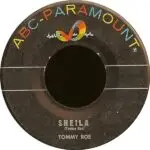
1. Sheila – Tommy Roe
Tommy Roe remained at #1 this week with “Sheila,” confirming the song’s place as one of the biggest pop-rock records of the year. Its catchy melody, youthful energy, and familiar rock and roll style continued making it a favorite on radio and jukeboxes.
The Buddy Holly influence in Roe’s vocal delivery remained one of the song’s most recognizable features. At the same time, “Sheila” still sounded modern enough to fit perfectly into the rapidly changing sound of early 1960s pop music.
The song’s continued success also showed that straightforward guitar-driven pop still had enormous commercial power. Even during an era filled with dance crazes and polished orchestral pop, “Sheila” proved that a simple rock and roll record could still reach the top.

2. You Don’t Know Me – Ray Charles
Ray Charles climbed to #2 this week with “You Don’t Know Me,” giving him another major crossover success during one of the most remarkable stretches of his career. The record relied on emotional restraint instead of dramatic production, which made it especially powerful.
Charles delivered the lyrics with quiet sadness and honesty. The song told the story of hidden feelings and emotional distance, themes that connected deeply with listeners even without flashy arrangements or vocal theatrics.
Its rise to #2 proved once again that Ray Charles could move effortlessly between musical styles. Whether performing soul, country-pop, gospel-inspired music, or emotional ballads, he consistently brought authenticity and feeling to every song.
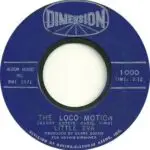
3. The Loco-Motion – Little Eva
Little Eva slipped another spot to #3 with “The Loco-Motion,” but the song remained one of the defining hits of the summer of 1962. Its playful rhythm and dance-focused energy still sounded fresh and exciting.
The record’s appeal came from more than just the dance itself. Gerry Goffin and Carole King’s songwriting gave the song structure, personality, and a chorus that listeners could remember immediately after hearing it.
Little Eva’s performance also helped the record stand apart from many novelty dance songs of the period. She sounded natural and enthusiastic, making “The Loco-Motion” feel joyful instead of gimmicky.
4. Ramblin’ Rose – Nat King Cole
Nat King Cole surged into the Top 5 this week as “Ramblin’ Rose” climbed from #11 to #4. The song brought a warm, traditional vocal style back into a chart increasingly dominated by younger pop performers.
Cole’s smooth delivery gave the record timeless elegance. Unlike the energetic dance songs surrounding it, “Ramblin’ Rose” leaned into storytelling, melody, and vocal control. That contrast helped it stand out immediately.
The success of the song showed that classic pop vocalists still had an important place on the Billboard Hot 100 in 1962. Nat King Cole remained one of the era’s most respected and beloved performers, capable of appealing to audiences across generations.

5. She’s Not You – Elvis Presley
Elvis Presley climbed to #5 this week with “She’s Not You,” continuing his remarkable run of chart success well into the 1960s. The song blended emotional vulnerability with the polished pop sound that defined much of Elvis’ post-army recording career.
Unlike the raw rock and roll energy of his earliest hits, “She’s Not You” leaned more heavily into melody and heartbreak. Elvis delivered the lyrics with maturity and control while still keeping his unmistakable vocal style.
The record’s rise into the Top 5 proved that Presley remained one of the biggest stars in music, even as the sound of pop radio continued evolving around him. His ability to adapt helped keep him near the top of the charts year after year.
More Weeks at #1 for “Sheila”
This song spent multiple weeks at #1 on the Billboard Hot 100. Explore each chart week below:
🎂 What Was the #1 Song on Your Birthday?
If you were born during the week ending September 8, 1962, this was your birthday song:
🎵 Sheila by Tommy Roe
▶ Watch and experience this song →
🎂 Born in the 60s? Try your own birthday:
- Sheila – Tommy Roe
- You Don’t Know Me – Ray Charles
- The Loco-Motion – Little Eva
- Ramblin’ Rose – Nat King Cole
- She’s Not You – Elvis Presley
- Breaking Up Is Hard To Do – Neil Sedaka
- Party Lights – Claudine Clark
- Things – Bobby Darin
- Teen Age Idol – Rick Nelson
- Vacation – Connie Francis
Chart Movers This Week
Old And New Sounds Shared The Same Chart
The September 8, 1962 Billboard Hot 100 showed how many different musical styles could still thrive together. Tommy Roe and Little Eva represented youthful pop energy, while Ray Charles and Nat King Cole brought emotional depth and classic vocal artistry.
At the same time, Elvis Presley continued proving his staying power as one of the defining stars of the rock and roll era. The Top 10 balanced established legends with rising young performers who were beginning to shape the future sound of pop music.
This blend of old and new gave the charts a unique personality during 1962. The radio could move from dance crazes to emotional ballads to polished traditional pop within minutes, creating a musical landscape that still feels rich and unpredictable today.