
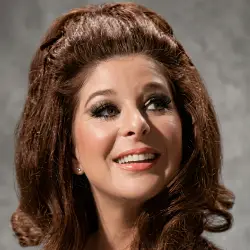
About Bobbie Gentry
Bobbie Gentry was one of the most unique and innovative singer-songwriters of the 1960s, known for her storytelling style and distinctive voice. Born in Mississippi, she brought a Southern perspective into mainstream pop music, blending country, folk, and blues into a sound that felt both personal and cinematic.
Unlike many artists of her time, Gentry wrote and performed her own material, helping establish the role of the singer-songwriter in popular music. Her music often painted vivid scenes of life in the American South, filled with emotion, mystery, and atmosphere.
Bobbie Gentry Number One Songs
Bobbie Gentry reached #1 on the Billboard Hot 100 with one of the most talked-about songs of the decade.
Why Bobbie Gentry Mattered in the 1960s
Bobbie Gentry mattered because she changed how songs could tell stories. Her breakthrough hit “Ode to Billie Joe” introduced a new kind of songwriting—one that was subtle, mysterious, and emotionally complex.
The song told the story of a small-town tragedy but left key details unexplained, sparking endless debate among listeners. This open-ended storytelling approach was rare in pop music and helped make the song unforgettable. “Ode to Billie Joe” became a cultural phenomenon partly because of that mystery.
Gentry also stood out as a female artist who wrote her own material at a time when that was far less common, helping pave the way for future singer-songwriters.
Bobbie Gentry and the Billboard Hot 100
Bobbie Gentry made a major impact on the Billboard Hot 100 with “Ode to Billie Joe,” which reached #1 in 1967 and stayed there for four weeks.
The song was a massive success, becoming one of the top songs of the year and selling millions of copies worldwide. It also crossed over to multiple charts, reaching the Top 10 in pop, R&B, and adult contemporary categories.
Her debut album of the same name also reached #1 on the Billboard album chart, further cementing her place as one of the most important new artists of the decade.
Bobbie Gentry’s Musical Style
Bobbie Gentry’s music blended country, folk, blues, and pop into a distinctive storytelling style. Her songs often featured simple arrangements built around acoustic guitar, allowing her voice and lyrics to take center stage.
“Ode to Billie Joe” is a perfect example, using a conversational vocal style and minimal instrumentation to create a powerful emotional effect. The song’s narrative structure and atmospheric sound helped set it apart from other hits of the era.
Her work often reflected Southern life, combining realism with a sense of mystery that kept listeners engaged.
Bobbie Gentry’s Lasting Legacy
Bobbie Gentry remains one of the most important singer-songwriters of the 1960s. Her signature hit “Ode to Billie Joe” is widely regarded as one of the greatest and most influential songs ever recorded.
The song earned multiple Grammy Awards and has been preserved by the Library of Congress as a culturally significant recording.
For fans of 1960s music, Bobbie Gentry represents storytelling at its finest—a songwriter who proved that a song could be more than just a melody, but a lasting piece of art filled with emotion, mystery, and meaning.