
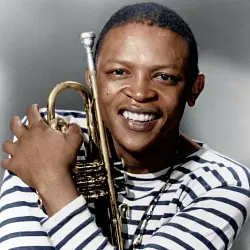
About Hugh Masekela
Hugh Masekela was a South African trumpeter, composer, singer, and activist who became one of the most influential jazz musicians of the 20th century. Often called “The Father of South African Jazz,” Masekela blended jazz, Afrobeat, soul, and traditional African rhythms into a distinctive sound that helped introduce African music to mainstream international audiences.
Born in Witbank, South Africa, Masekela began playing trumpet as a teenager and later became deeply involved in the anti-apartheid movement. Forced into exile during apartheid, he studied music in London and New York before building a successful international career.
While he became known worldwide for his joyful instrumental hits, much of his career was also devoted to political activism and celebrating African culture through music.
Hugh Masekela Number One Songs
Hugh Masekela reached #1 on the Billboard Hot 100 with one of the most successful instrumental recordings of the 1960s.
Why Hugh Masekela Mattered in the 1960s
Hugh Masekela mattered because he helped bring African-influenced jazz and instrumental music into the American mainstream during the late 1960s. His hit “Grazing in the Grass” became an international sensation and made him one of the very few jazz instrumentalists to top the Billboard Hot 100.
At a time when psychedelic rock and vocal-driven pop dominated radio, Masekela succeeded with an upbeat trumpet instrumental built around rhythm, melody, and joyful energy.
He also became an important cultural figure beyond music. Throughout his career, Masekela used his platform to speak against apartheid and advocate for freedom in South Africa, eventually becoming one of the most respected musical activists in the world.
Hugh Masekela and the Billboard Hot 100
Hugh Masekela made history with “Grazing in the Grass,” which reached #1 on the Billboard Hot 100 in July 1968.
The song became one of the biggest instrumental hits of the rock era and ranked among Billboard’s top songs of 1968.
Remarkably, “Grazing in the Grass” was originally added almost as filler because the album needed another track to complete the running time. The spontaneous studio recording unexpectedly became a worldwide smash hit.
The recording later earned major historical recognition when it was inducted into the Grammy Hall of Fame in 2018.
Although Masekela never again matched his Billboard chart success, he remained internationally respected as both a jazz innovator and political voice for decades afterward.
Hugh Masekela’s Musical Style
Hugh Masekela’s music blended jazz, Afrobeat, soul, funk, and traditional African musical influences into a highly rhythmic and energetic sound. His trumpet playing combined American jazz improvisation with African melodic structures and percussion-driven grooves.
“Grazing in the Grass” became especially famous for its bright trumpet melody, upbeat rhythm, and infectious energy, creating one of the most joyful instrumental recordings of the 1960s.
Later recordings such as “Stimela (Coal Train)” moved into deeper political and social themes, addressing the realities of apartheid and migrant labor in South Africa.
Hugh Masekela’s Lasting Legacy
Hugh Masekela remains one of the most important African musicians in modern music history. His success helped introduce African jazz and world music to mainstream audiences around the globe.
Beyond music, he became a symbol of artistic resistance against apartheid, using songs like “Bring Him Back Home (Nelson Mandela)” to support the anti-apartheid movement and celebrate Nelson Mandela’s eventual release from prison.
His signature hit “Grazing in the Grass” continues to be recognized as one of the greatest instrumental hits ever recorded and one of the defining crossover moments between African music and American pop culture.
For fans of 1960s music, Hugh Masekela represents creativity, joy, and cultural influence—an artist who transformed jazz trumpet into a global musical language.