
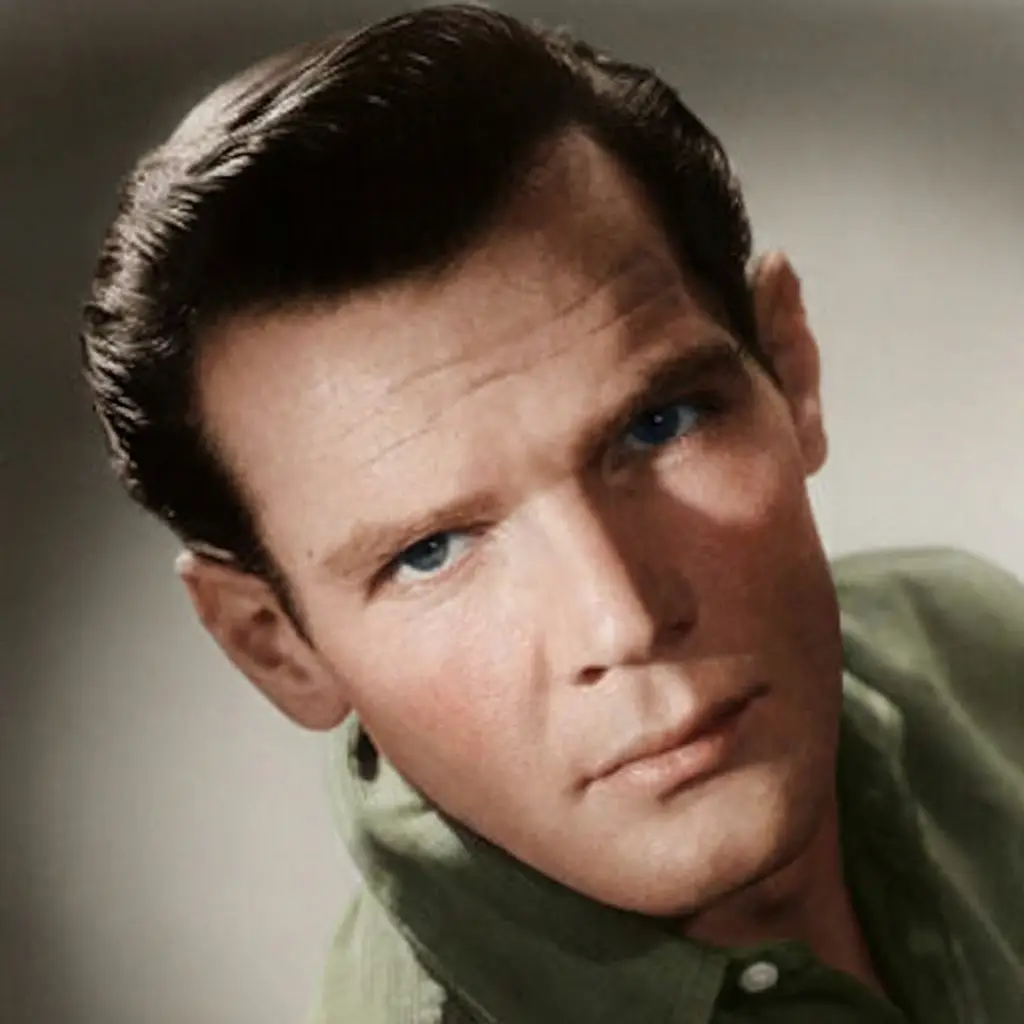
About Larry Verne
Larry Verne was an American novelty singer who became famous in 1960 with the surprise hit “Mr. Custer.” Born Larry Vern Erickson in Minneapolis, Minnesota, Verne briefly became one of the most recognizable novelty performers of the early rock and roll era.
Unlike traditional pop or rock singers, Verne specialized in spoken-word comedy songs filled with storytelling, sound effects, and exaggerated humor. His biggest hit arrived during a period when novelty songs regularly appeared alongside rock and roll on the Billboard charts.
Although his time in the spotlight was brief, Larry Verne created one of the most unusual #1 songs in Billboard Hot 100 history.
Larry Verne Number One Songs
Why Larry Verne Mattered in the 1960s
Larry Verne mattered because he represented the huge popularity of novelty records during the late 1950s and early 1960s. Before the British Invasion transformed pop music, comedy songs and spoken-word recordings were often major commercial successes on American radio.
His hit “Mr. Custer” told the humorous story of a terrified cavalry soldier begging General George Armstrong Custer not to send him into battle at the Battle of Little Bighorn. The song mixed military-style marching rhythms, comic dialogue, and exaggerated sound effects into a recording that stood out immediately on radio.
The song also reflected the era’s fascination with Western themes and historical storytelling, which were extremely popular in American television, movies, and music during the late 1950s and early 1960s.
Larry Verne and the Billboard Hot 100
Larry Verne made history with “Mr. Custer,” which reached #1 on the Billboard Hot 100 in October 1960.
The song sold more than one million copies and earned a gold record, becoming one of the biggest novelty hits of the era.
Remarkably, “Mr. Custer” briefly interrupted a chart period dominated by legendary artists such as Connie Francis and The Drifters, highlighting how popular novelty records still were at the beginning of the 1960s.
The single also reached the Top 10 on Billboard’s R&B chart, an unusual crossover achievement for a comedy novelty record.
Although Verne released additional novelty songs including “Mister Livingston” and “The Coward That Won the West,” he never again matched the massive success of “Mr. Custer.”
Larry Verne’s Musical Style
Larry Verne specialized in novelty songs built around spoken storytelling, humor, exaggerated characters, and theatrical sound effects. His recordings often featured marching rhythms, comic timing, and dramatic vocal performances rather than traditional singing.
“Mr. Custer” became especially famous for its nervous spoken delivery and repeated pleas of “Please, Mr. Custer, I don’t wanna go,” creating a humorous contrast between military bravado and outright fear.
His style reflected an earlier entertainment tradition rooted in radio comedy and spoken-word storytelling, making him very different from the rock and roll singers who soon dominated the decade.
Larry Verne’s Lasting Legacy
Larry Verne remains one of the most memorable novelty performers of the early Billboard Hot 100 era. His signature hit “Mr. Custer” continues to appear in discussions of the strangest and most unusual #1 songs in music history.
His brief success also serves as a reminder of how different early-1960s pop culture could be before rock bands and singer-songwriters fully reshaped the music industry. Novelty songs, spoken-word hits, and comedy records still had the power to dominate radio and reach the top of the charts.
For fans of 1960s music, Larry Verne represents the playful and unpredictable side of early pop music history—a performer who turned a comedic Western parody into a million-selling #1 hit.