
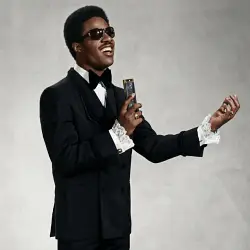
About Little Stevie Wonder
Little Stevie Wonder was one of the most extraordinary young talents of the 1960s, emerging as a child prodigy who would go on to become one of the greatest musicians in history. Born Stevland Hardaway Judkins in Michigan, he signed with Motown Records at just 11 years old and quickly gained attention for his remarkable musical abilities.
As a multi-instrumentalist, he could play harmonica, piano, drums, and more, showcasing a level of talent far beyond his years. His early recordings under the name “Little Stevie Wonder” captured the excitement of a young performer destined for greatness.
Little Stevie Wonder Number One Songs
Little Stevie Wonder reached #1 on the Billboard Hot 100 with one of the most remarkable songs in music history.
Why Little Stevie Wonder Mattered in the 1960s
Little Stevie Wonder mattered because he proved that age was no barrier to musical greatness. His breakthrough hit “Fingertips (Part 2)” showcased his incredible energy and talent, capturing a live performance in a way that few recordings had done before.
At just 13 years old, he became the youngest artist ever to reach #1 on the Billboard Hot 100—a record that still stands today.
His success also helped establish Motown as a dominant force in popular music, showing that the label could produce stars across all age groups and styles.
Little Stevie Wonder and the Billboard Hot 100
Little Stevie Wonder made history with “Fingertips (Part 2),” which reached #1 on the Billboard Hot 100 in 1963 and stayed there for three weeks.
The song was also a #1 hit on the R&B chart, making it a major crossover success and one of Motown’s earliest chart-toppers.
Even more remarkably, it was a live recording—one of the first live songs ever to reach #1 on the Billboard charts.
The success of the single also helped his album Recorded Live: The 12 Year Old Genius reach #1, making him the youngest artist ever to top the album chart as well.
Little Stevie Wonder’s Musical Style
Little Stevie Wonder’s music blended soul, rhythm and blues, and pop with an energetic live performance style. His recordings often highlighted his skills on harmonica and percussion, along with his powerful and expressive vocals.
“Fingertips (Part 2)” is the perfect example, featuring a call-and-response interaction with the audience and an improvised feel that made the performance exciting and unique.
This raw, live energy helped set him apart from more polished studio recordings of the time.
Little Stevie Wonder’s Lasting Legacy
Little Stevie Wonder remains one of the most remarkable success stories in music history. His early achievements as a teenager laid the foundation for a legendary career that would continue for decades.
His signature hit “Fingertips (Part 2)” is still remembered as a groundbreaking recording and a defining moment in 1960s music.
Stevie Wonder was inducted into the Rock & Roll Hall of Fame in1989, one of the youngest at the time.
For fans of 1960s music, Little Stevie Wonder represents pure talent and potential—a young artist who didn’t just succeed, but made history before even reaching adulthood.