Billboard Hot 100 | Top 5 – Week of April 12, 1969
The Billboard Hot 100 chart for April 12, 1969 marked a major turning point as The 5th Dimension’s “Aquarius/Let The Sunshine In (The Flesh Failures)” climbed to No. 1. The medley, adapted from the groundbreaking musical Hair, captured the optimism, spirituality, and cultural energy that defined much of late-1960s America. Its arrival at the top signaled a shift away from traditional pop toward music that reflected the changing attitudes of a new generation.
The chart itself demonstrated just how diverse popular music had become by the spring of 1969. Blood, Sweat & Tears brought their innovative jazz-rock sound to No. 2, while Tommy Roe’s “Dizzy” remained a major hit after its successful run at No. 1. Country-pop star Glen Campbell continued his remarkable crossover success with “Galveston,” while The Zombies maintained their presence in the Top 5 with the psychedelic classic “Time Of The Season.”
Further down the chart, soul music remained a powerful force. Jerry Butler, The Isley Brothers, The Temptations, and Edwin Starr all occupied Top 10 positions, highlighting the continuing influence of rhythm and blues on the American music scene. Meanwhile, another song inspired by Hair appeared in the Top 10 as The Cowsills’ version of “Hair” continued its rapid climb.
Looking back, this chart perfectly captures the spirit of 1969. It was a period when traditional pop, psychedelic rock, soul, country-pop, and experimental sounds all coexisted on the charts, creating one of the richest and most exciting eras in Billboard history.
Top 5 Songs (April 12, 1969)
1. Aquarius/Let The Sunshine In (The Flesh Failures) – The 5th Dimension
The 5th Dimension reached No. 1 with one of the most iconic recordings of the era. “Aquarius/Let The Sunshine In” successfully transformed material from the Broadway musical Hair into a mainstream pop phenomenon, blending powerful vocal harmonies with themes that reflected the optimism and social consciousness of the late 1960s.
The group’s polished performance helped bridge the gap between contemporary pop audiences and the counterculture movement. Their version retained the energy of the original theatrical production while making it accessible to millions of radio listeners.
The song’s rise to No. 1 demonstrated how dramatically popular music was evolving. It became one of the defining records of 1969 and remains closely associated with the spirit of the era.
2. You’ve Made Me So Very Happy – Blood, Sweat & Tears
Blood, Sweat & Tears climbed to No. 2 with one of the most sophisticated records on the chart. Combining rock, jazz, soul, and brass instrumentation, the band created a sound that stood apart from virtually every other act of the period.
The song showcased exceptional musicianship while remaining highly accessible. Its rich arrangement and emotional vocal performance helped attract both pop and rock audiences.
The continued rise of the record reflected the growing popularity of jazz-rock and the band’s emergence as one of the most innovative groups of the late 1960s.
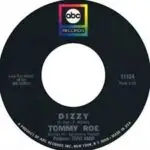
3. Dizzy – Tommy Roe
After three weeks at No. 1, Tommy Roe’s “Dizzy” slipped to No. 3 but remained one of the year’s biggest hits. Its catchy melody and upbeat production continued to make it a radio favorite.
Unlike many of the more experimental records climbing the charts, “Dizzy” succeeded through straightforward pop craftsmanship. Its broad appeal allowed it to compete successfully against a wide range of musical styles.
Even after leaving the top position, it remained one of the most recognizable and successful records of early 1969.
4. Galveston – Glen Campbell
Glen Campbell reached a new peak at No. 4 with “Galveston,” another memorable collaboration with songwriter Jimmy Webb. The song blended country and pop influences with a sophisticated orchestral arrangement.
Its emotional lyrics and Campbell’s warm vocal delivery created a powerful listening experience that resonated with audiences nationwide. The record further demonstrated his ability to appeal to both country and pop fans.
The success of “Galveston” reinforced Campbell’s position as one of the most important crossover artists of the decade.
5. Time Of The Season – The Zombies
The Zombies rounded out the Top 5 with “Time Of The Season,” one of the defining psychedelic recordings of the late 1960s. Its haunting atmosphere, memorable vocals, and distinctive keyboard work continued to attract new listeners.
The song’s success remained remarkable because the group had already disbanded before it became a major hit. Nevertheless, its unique sound helped it stand out in a crowded marketplace.
More than five decades later, it remains one of the most celebrated recordings of the psychedelic era.
More Weeks at #1 for “Aquarius/Let the Sunshine In”
This song spent multiple weeks at #1 on the Billboard Hot 100. Explore each chart week below:
🎂 What Was the #1 Song on Your Birthday?
If you were born during the week ending April 12, 1969, this was your birthday song:
🎵 Aquarius/Let the Sunshine In by The 5th Dimension
▶ Watch and experience this song →
🎂 Born in the 60s? Try your own birthday:
Top 10 on the Billboard Hot 100 This Week
- Aquarius/Let The Sunshine In (The Flesh Failures) – The 5th Dimension
- You’ve Made Me So Very Happy – Blood, Sweat & Tears
- Dizzy – Tommy Roe
- Galveston – Glen Campbell
- Time Of The Season – The Zombies
- Only The Strong Survive – Jerry Butler
- It’s Your Thing – The Isley Brothers
- Hair – The Cowsills
- Run Away Child, Running Wild – The Temptations
- Twenty-Five Miles – Edwin Starr
Chart Movers This Week
Why This Week Mattered
The April 12, 1969 chart reflected the changing cultural landscape of America. The rise of “Aquarius/Let The Sunshine In” to No. 1 demonstrated how ideas and themes associated with the counterculture were increasingly finding mainstream acceptance.
This week also showcased the growing influence of genre-blending artists. Blood, Sweat & Tears combined jazz and rock, Glen Campbell bridged country and pop, and The 5th Dimension fused pop, soul, and theatrical influences. These combinations would become increasingly common in the years ahead.
Viewed today, this chart stands as one of the most representative snapshots of 1969. It captures a period of creativity, experimentation, and musical diversity that helped define one of the most influential years in popular music history.