Billboard Hot 100 | Top 5 – Week of February 13, 1961
The Billboard Hot 100 for the week of February 13, 1961 put Lawrence Welk And His Orchestra at #1 with “Calcutta.” The lively instrumental continued the strong early-1961 run of orchestra-driven pop records, proving that easy-listening music still had enormous mainstream appeal.
The Shirelles slipped to #2 with “Will You Love Me Tomorrow,” while Smokey Robinson and The Miracles climbed to #3 with “Shop Around.” Neil Sedaka moved to #4 with “Calendar Girl,” and Ferrante & Teicher rounded out the Top 5 with “Exodus.”
This week showed 1961’s musical transition in full view: polished instrumentals still controlled the chart, but girl groups, Motown, and teen pop were quickly becoming impossible to ignore.
Top 5 Songs (February 13, 1961)
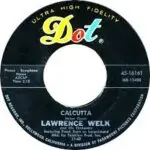
1. “Calcutta” – Lawrence Welk And His Orchestra
Lawrence Welk And His Orchestra reached #1 with “Calcutta,” one of the brightest instrumental hits of early 1961.
The record’s upbeat melody and polished orchestral style fit perfectly with Welk’s easy-listening sound while still reaching mainstream pop audiences.
Its rise to #1 showed that traditional orchestra-based pop still had major commercial strength even as rock-and-roll, girl groups, and early Motown continued rising fast.
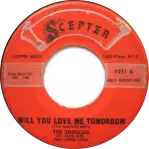
2. “Will You Love Me Tomorrow” – The Shirelles
The Shirelles slipped to #2 with “Will You Love Me Tomorrow,” but the song remained one of the most important records of the early 1960s.
Its emotional honesty and mature lyric helped bring a new kind of vulnerability into teenage pop music.
Even after leaving #1, the record continued pointing toward the girl-group era that would help define the decade.
3. “Shop Around” – The Miracles featuring Bill “Smokey” Robinson
Smokey Robinson and The Miracles climbed to #3 with “Shop Around,” one of Motown’s earliest national breakthrough records.
The song blended rhythm & blues energy, pop polish, and Robinson’s smooth vocal style into a sound that would soon become central to the Motown identity.
Its rise into the Top 3 showed that Motown was no longer just a regional label — it was becoming a national force.

4. “Calendar Girl” – Neil Sedaka
Neil Sedaka climbed to #4 with “Calendar Girl,” one of the catchiest teen-pop hits of early 1961.
The record’s playful month-by-month theme, bright melody, and polished vocal made it a natural radio favorite.
Sedaka’s success showed that clean, well-crafted teen pop still had a strong place on a chart increasingly shared with soul, girl groups, and instrumentals.
5. “Exodus” – Ferrante & Teicher
Ferrante & Teicher held the #5 spot with “Exodus,” one of the most dramatic instrumental hits of the period.
The record’s sweeping piano arrangement and movie-theme connection gave it a cinematic power that stood apart from lighter pop singles.
Its continued Top 5 presence showed how strongly film music and instrumental pop remained connected to the Hot 100 in early 1961.
More Weeks at #1 for “Calcutta”
This song spent multiple weeks at #1 on the Billboard Hot 100. Explore each chart week below:
🎂 What Was the #1 Song on Your Birthday?
If you were born during the week ending February 18, 1961, this was your birthday song:
🎵 Calcutta by Lawrence Welk
▶ Watch and experience this song →
🎂 Born in the 60s? Try your own birthday:
Billboard Hot 100 Top 10 – Week of February 13, 1961
- Calcutta – Lawrence Welk And His Orchestra
- Will You Love Me Tomorrow – The Shirelles
- Shop Around – The Miracles featuring Bill “Smokey” Robinson
- Calendar Girl – Neil Sedaka
- Exodus – Ferrante & Teicher
- Angel Baby – Rosie And The Originals
- Emotions – Brenda Lee
- Wonderland By Night – Bert Kaempfert And His Orchestra
- Pony Time – Chubby Checker
- There’s A Moon Out Tonight – The Capris
Instrumentals Still Led, But Motown Was Moving Fast
The Billboard Hot 100 for February 13, 1961 showed Lawrence Welk taking over #1 with “Calcutta,” keeping instrumental pop at the center of the chart.
But the bigger story underneath was the continued rise of newer youth-driven sounds. The Shirelles remained near the top with “Will You Love Me Tomorrow,” while The Miracles pushed Motown deeper into the national spotlight with “Shop Around.”
Neil Sedaka, Brenda Lee, Chubby Checker, Rosie And The Originals, and The Capris helped fill the chart with teen pop, dance records, and doo-wop. The result was a chart that still honored the polished sounds of the 1950s while clearly moving toward the pop revolution of the 1960s.