Billboard Hot 100 | Top 5 – Week of February 22, 1964
The Billboard Hot 100 for February 22, 1964 confirmed that Beatlemania had become the biggest story in American music. For the first time, The Beatles occupied both the #1 and #2 positions, with “I Want To Hold Your Hand” leading the chart and “She Loves You” close behind. Just weeks after arriving on American radio in a major way, the British quartet had taken complete control of the upper reaches of the Hot 100.
Yet this week was not entirely a Beatles showcase. The Four Seasons surged into the Top 3 with “Dawn (Go Away),” proving that one of America’s most successful vocal groups could still compete in the rapidly changing musical environment. Lesley Gore remained near the top with “You Don’t Own Me,” while trumpeter Al Hirt continued an impressive climb with the instrumental hit “Java.”
The chart also reflected the diversity of early 1964. Surf music remained popular through “California Sun” and “Hey Little Cobra,” while Major Lance kept Chicago soul visible in the Top 10. Girl-group influences, instrumentals, rock and roll, and emerging British rock all shared space on the same chart.
Looking back, this week captures the exact moment when the British Invasion stopped being a trend and became the dominant force in popular music. The Beatles were no longer challengers. They were the standard everyone else was trying to catch.
Top 5 Songs
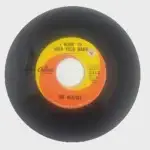
1. I Want To Hold Your Hand – The Beatles
The Beatles held the #1 position for a third consecutive week with “I Want To Hold Your Hand.” The song had already transformed the American music scene, and its popularity showed no signs of slowing down.
Its combination of infectious melodies, energetic vocals, and youthful excitement connected with listeners across the country. The record sounded fresh and modern, helping to define the sound of the British Invasion.
By this point, The Beatles were no longer simply chart leaders. They were becoming a cultural phenomenon that would influence music, fashion, television, and popular culture throughout the decade.
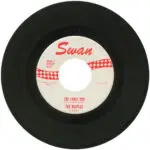
2. She Loves You – The Beatles
“She Loves You” climbed to #2 this week, giving The Beatles the top two positions on the Billboard Hot 100. The achievement demonstrated just how quickly American audiences had embraced the group.
The song’s famous “yeah, yeah, yeah” chorus became one of the defining musical phrases of the era. Its energy and optimism helped make it one of the band’s most beloved early recordings.
Having two songs at the very top of the chart was a remarkable accomplishment and a clear signal that Beatlemania was reshaping the music industry.
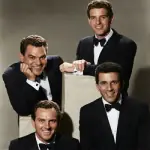
3. Dawn (Go Away) – The 4 Seasons
The Four Seasons made the biggest move inside the Top 5, jumping from #11 to #3 with “Dawn (Go Away).” The song quickly became one of the group’s most successful releases.
Frankie Valli’s distinctive falsetto remained one of the most recognizable voices on radio. The record combined strong storytelling with the polished vocal harmonies that had become the group’s trademark.
Its rapid climb showed that American acts could still compete despite the growing dominance of British artists. The Four Seasons remained one of the strongest chart forces of the era.
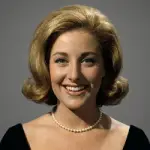
4. You Don’t Own Me – Lesley Gore
Lesley Gore slipped from #2 to #4, but “You Don’t Own Me” remained one of the most important records on the chart. Its message of independence and self-confidence continued to resonate with listeners.
Produced by Quincy Jones, the song featured a dramatic arrangement that perfectly supported Gore’s powerful vocal performance. It stood apart from many contemporary pop songs because of its assertive message.
Even as Beatlemania captured headlines, “You Don’t Own Me” remained a defining record of early 1964 and one of the most influential songs of Gore’s career.
5. Java – Al (He’s the King) Hirt
Al Hirt climbed into the Top 5 with the instrumental “Java.” At a time when vocal groups dominated radio, the lively trumpet-driven record stood out from nearly everything around it.
The song blended jazz, pop, and New Orleans musical influences into an infectious instrumental that appealed to a broad audience. Hirt’s energetic performance helped make the record one of the biggest instrumental hits of the decade.
Its success demonstrated that instrumentals still had a place on the Hot 100, even as the British Invasion was transforming popular music.
More Weeks at #1 for “I Want to Hold Your Hand”
This song spent multiple weeks at #1 on the Billboard Hot 100. Explore each chart week below:
🎂 What Was the #1 Song on Your Birthday?
If you were born during the week ending February 22, 1964, this was your birthday song:
🎵 I Want to Hold Your Hand by The Beatles
▶ Watch and experience this song →
🎂 Born in the 60s? Try your own birthday:
- I Want To Hold Your Hand – The Beatles
- She Loves You – The Beatles
- Dawn (Go Away) – The 4 Seasons
- You Don’t Own Me – Lesley Gore
- Java – Al (He’s the King) Hirt
- Um, Um, Um, Um, Um, Um – Major Lance
- Hey Little Cobra – The Rip Chords
- California Sun – The Rivieras
- What Kind Of Fool (Do You Think I Am) – The Tams
- Navy Blue – Diane Renay
Chart Movers This Week
The Beatles Take the Top Two Spots
The week of February 22, 1964 marked another milestone in the rise of Beatlemania. With “I Want To Hold Your Hand” at #1 and “She Loves You” at #2, The Beatles completely dominated the top of the Billboard Hot 100.
Yet the chart remained remarkably diverse. The Four Seasons, Lesley Gore, Al Hirt, Major Lance, and surf-rock acts all maintained strong positions, proving that American music was still producing major hits across multiple styles.
Looking back, this chart captures a fascinating transition period. The British Invasion was now firmly established, but the sounds that had defined the early 1960s had not disappeared. For a brief moment, both worlds shared the same Top 10.