Billboard Hot 100 | Top 5 – Week of January 4, 1964
The first Billboard Hot 100 chart of 1964 still sounded very much like the final days of 1963. Before Beatlemania changed everything in America, the top of the chart was filled with polished pop vocals, garage-rock energy, girl-group sounds, novelty-flavored dance records, and romantic ballads. It was a chart caught between two eras.
Bobby Vinton moved into the #1 position with “There! I’ve Said It Again,” continuing his remarkable run as one of the most reliable pop balladeers of the early 1960s. His smooth, emotional style stood in sharp contrast to the rough-edged excitement of The Kingsmen’s “Louie Louie,” which held at #2 after already reaching that same peak in December.
“Dominique” by The Singing Nun slipped from #1 to #3, while Lenny Welch’s “Since I Fell For You” remained steady at #4. Bobby Rydell climbed into the Top 5 with “Forget Him,” giving the week another strong teen-idol style record just as that sound was nearing the end of its dominance.
Lower in the Top 10, Martha & The Vandellas brought Motown energy with “Quicksand,” Shirley Ellis pushed dance-floor fun with “The Nitty Gritty,” and The Murmaids continued rising with “Popsicles And Icicles.” The week of January 4, 1964 was calm on the surface, but change was already on the horizon.
Top 5 Songs
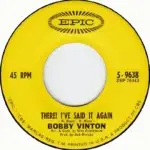
1. There! I’ve Said It Again – Bobby Vinton
Bobby Vinton reached #1 this week with “There! I’ve Said It Again,” a lush romantic ballad that fit perfectly with his early-1960s image. Vinton had already become one of the decade’s most successful pop vocalists, and this record continued his ability to turn sentimental songs into major hits.
The song’s rise from #2 to #1 gave the chart a smooth, traditional-pop sound at the very top. While rock and soul were growing stronger, Vinton showed that carefully arranged ballads still had enormous appeal with American listeners.
In hindsight, this record is especially interesting because it became one of the last major pre-Beatles #1 songs before the British Invasion reshaped the Hot 100. It stands as a final snapshot of the early-1960s pop world before the sound of the decade changed dramatically.
2. Louie Louie – The Kingsmen
The Kingsmen held at #2 with “Louie Louie,” one of the rawest and most famous garage-rock records ever to reach the upper levels of the Hot 100. Its loose vocal, pounding rhythm, and almost chaotic energy made it sound very different from the smoother pop records around it.
Even though it never reached #1, “Louie Louie” became far more influential than many chart-toppers. It helped define the sound of garage bands across America and showed how a simple, rough-edged performance could connect with young listeners.
On this week’s chart, its position behind Bobby Vinton created a clear contrast. “There! I’ve Said It Again” represented polished adult pop, while “Louie Louie” pointed toward a louder, more rebellious rock future.
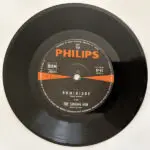
3. Dominique – The Singing Nun (Soeur Sourire)
After spending time at #1, “Dominique” slipped to #3 this week. The record was one of the most unusual major hits of the early 1960s, performed in French by The Singing Nun and built around a gentle folk-style melody.
Its success showed how wide open the Hot 100 could be before the British Invasion narrowed the spotlight toward rock bands and youth-driven pop. A religious-themed, French-language song becoming a #1 hit was remarkable, even in a period known for variety.
By January 1964, “Dominique” was beginning to move down from its peak, but its presence in the Top 5 still gave the chart a unique international flavor. Few records from this period sound quite like it.
4. Since I Fell For You – Lenny Welch
Lenny Welch remained at #4 with “Since I Fell For You,” holding steady after reaching that same peak the previous week. The song brought a deep, emotional ballad style to the Top 5, blending pop, jazz, and rhythm-and-blues feeling.
Welch’s version gave the older standard new life for a 1960s audience. His vocal performance carried a sense of heartbreak and maturity that stood apart from the lighter teen-pop records on the chart.
Its steady position showed that listeners were still responding strongly to dramatic vocal performances. In a week filled with novelty, garage rock, and polished pop, “Since I Fell For You” added a serious emotional weight.
5. Forget Him – Bobby Rydell
Bobby Rydell climbed from #7 to #5 with “Forget Him,” giving him a strong Top 5 showing at the start of 1964. Rydell had been one of the major teen idols of the early 1960s, and this record kept him visible during a changing moment in pop music.
The song’s polished production and emotional message fit the teen-pop style that had filled the charts before Beatlemania. It was romantic, direct, and built around a clean vocal performance that appealed to young listeners.
“Forget Him” would continue climbing after this week, but its arrival in the Top 5 already showed Rydell’s staying power. At the same time, the record also marked the closing chapter of an era, as the teen-idol sound would soon face a very different kind of competition.
More Weeks at #1 for “There! I’ve Said It Again”
This song spent multiple weeks at #1 on the Billboard Hot 100. Explore each chart week below:
🎂 What Was the #1 Song on Your Birthday?
If you were born during the week ending January 4, 1964, this was your birthday song:
🎵 There! I’ve Said It Again by Bobby Vinton
▶ Watch and experience this song →
🎂 Born in the 60s? Try your own birthday:
- There! I’ve Said It Again – Bobby Vinton
- Louie Louie – The Kingsmen
- Dominique – The Singing Nun (Soeur Sourire)
- Since I Fell For You – Lenny Welch
- Forget Him – Bobby Rydell
- Popsicles And Icicles – The Murmaids
- Talk Back Trembling Lips – Johnny Tillotson
- Quicksand – Martha & The Vandellas
- The Nitty Gritty – Shirley Ellis
- Midnight Mary – Joey Powers
Chart Movers This Week
A Week Caught Between Two Eras
The January 4, 1964 Hot 100 was a turning-point chart, even if it did not fully reveal it yet. Bobby Vinton’s rise to #1 continued the smooth pop tradition that had dominated much of the early decade, while records like “Louie Louie” and “Quicksand” hinted at a more energetic future.
This was also a week where variety mattered. The Top 10 included a former French-language #1, a garage-rock classic, Motown momentum, teen-idol pop, emotional ballads, and dance-driven records. That mix made the chart feel wide open.
Within weeks, the sound of American radio would begin to change quickly. For now, though, “There! I’ve Said It Again” stood at #1, giving early 1964 one last polished pop moment before the British Invasion arrived in full force.