Billboard Hot 100 | Top 10 – Week of July 4, 1960
The Billboard Hot 100 for the week ending July 4, 1960 captured one of the most fascinating transition periods in early rock-and-roll history. The charts were no longer dominated entirely by the clean teen-idol sound that defined the late 1950s. Instead, America’s jukeboxes and transistor radios were now filled with a mix of emotional ballads, novelty records, country crossover songs, instrumental rock, rhythm-and-blues duets, and increasingly polished Nashville-style pop productions.
Connie Francis remained at #1 with “Everybody’s Somebody’s Fool,” continuing a landmark chart run after becoming the first solo female artist ever to top the Billboard Hot 100 only one week earlier. But the real story of the chart was the incredible diversity sitting directly behind her.
Hollywood Argyles continued charging upward with the prehistoric novelty smash “Alley-Oop,” Brenda Lee placed two separate songs inside the Top 10 at the same time, and Duane Eddy proved instrumental rock still had enormous commercial power with “Because They’re Young.” Meanwhile, “Cathy’s Clown” by The Everly Brothers remained one of the biggest records in America despite slipping from its long stay at #1.
The week of July 4, 1960 sounded dramatically different from the rock-and-roll explosion of only four years earlier. Elvis Presley had already returned from the Army. Buddy Holly was gone. Yet the charts still carried traces of 1950s rockabilly, country storytelling, harmony-pop, and rhythm-and-blues while quietly moving toward the smoother pop productions that would dominate the early 1960s.
Top 5 Songs – Week of July 4, 1960
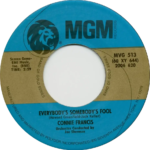
1. “Everybody’s Somebody’s Fool” – Connie Francis
Connie Francis held the #1 position for a second consecutive week with “Everybody’s Somebody’s Fool,” one of the defining pop records of 1960.
The song represented an important milestone not only for Francis personally, but for female performers in general. When the song reached #1 the previous week, Francis became the first solo female artist ever to top the Billboard Hot 100 chart after its launch in 1958.
Unlike many lightweight teen-pop records of the era, “Everybody’s Somebody’s Fool” carried genuine emotional weight. Francis delivered the heartbreak lyrics with dramatic phrasing and maturity that connected with both teenage audiences and older adult listeners.
The record also showcased the sophisticated production style becoming increasingly common in early 1960s pop music. The orchestration was polished, the vocal layering smooth, and the arrangement carefully designed for radio play.
By the summer of 1960, Connie Francis had become one of the most dominant female recording stars in America.
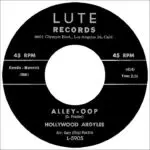
2. “Alley-Oop” – The Hollywood Argyles
One of the strangest songs of the entire rock era was now sitting at #2.
“Alley-Oop” by Hollywood Argyles was a novelty rock song inspired by the caveman comic-strip character created by cartoonist V.T. Hamlin. Filled with goofy sound effects, primitive grunts, and catchy chant-style vocals, the song quickly became a national craze.
Despite sounding silly on the surface, “Alley-Oop” was brilliantly constructed for radio success. The pounding rhythm, instantly memorable chorus, and humorous lyrics made it impossible to forget after hearing it only once.
The song’s rise proved novelty records still held enormous commercial power in the early 1960s. America’s youth audience loved records that were fun, strange, and easy to sing along with — especially during summertime.
Its continued climb strongly suggested the song was headed for #1.
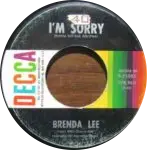
3. “I’m Sorry” – Brenda Lee
Brenda Lee surged to #3 with “I’m Sorry,” a song that permanently changed her career.
Before “I’m Sorry,” Brenda Lee was often marketed as an energetic rock-and-roll singer known for youthful novelty-style performances. But this record revealed a far more mature and emotionally controlled vocalist.
Remarkably, Brenda Lee was only fifteen years old when she recorded the song.
Her vocal performance sounded far older than her age, filled with aching sincerity and polished phrasing that rivaled adult pop singers of the era. The dramatic orchestration and restrained production gave the song a sophistication unusual for teenage performers in 1960.
Many radio stations initially hesitated to play the song because they believed Lee sounded “too adult” for her image. Once audiences heard it, however, the record exploded nationally.
“I’m Sorry” would soon become one of Brenda Lee’s signature songs and one of the defining heartbreak ballads of the early 1960s.
4. “Because They’re Young” – Duane Eddy And The Rebels
Duane Eddy climbed to #4 with “Because They’re Young,” continuing his remarkable run as one of America’s biggest instrumental rock stars.
The song served as the theme from the Warner Brothers film Because They’re Young, but the movie connection quickly became secondary to Eddy’s instantly recognizable guitar sound.
Duane Eddy’s “twangy” guitar tone had already influenced countless young musicians by 1960. His deep, echo-heavy sound helped establish instrumental rock as a legitimate commercial force during an era increasingly dominated by vocal groups and teen singers.
“Because They’re Young” blended rock rhythm with cinematic orchestration, giving the record an emotional quality that separated it from louder rockabilly instrumentals of the late 1950s.
The song’s strong chart performance showed that audiences still embraced guitar-driven records even as mainstream pop continued becoming smoother and more polished.
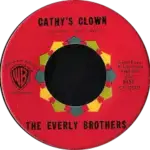
5. “Cathy’s Clown” – The Everly Brothers
After spending weeks at #1, “Cathy’s Clown” slipped to #5 but remained one of the most important records on American radio.
The Everly Brothers had already become famous for their tight harmony vocals during the late 1950s, but “Cathy’s Clown” elevated their sound to another level.
The song opened with a dramatic military-style drum rhythm that immediately grabbed listeners’ attention. Combined with the brothers’ emotional harmonies and Don Everly’s vulnerable lead vocal, the record created a completely unique atmosphere for pop music in 1960.
Lyrically, the song dealt with humiliation, heartbreak, and emotional insecurity — themes that connected strongly with teenage audiences.
Its influence would extend far beyond 1960. Future groups including The Beatles openly admired The Everly Brothers’ harmony style and songwriting approach.
▶ Watch and experience this song →
More Weeks at #1 for “Everybody’s Somebody’s Fool”
This song spent multiple weeks at #1 on the Billboard Hot 100. Explore each chart week below:
🎂 What Was the #1 Song on Your Birthday?
If you were born during the week ending July 9, 1960, this was your birthday song:
🎵 Everybody’s Somebody’s Fool by Connie Francis
▶ Watch and experience this song →
🎂 Born in the 60s? Try your own birthday:
Billboard Hot 100 Top 10 – Week of July 4, 1960
- Everybody’s Somebody’s Fool – Connie Francis
- Alley-Oop – The Hollywood Argyles
- I’m Sorry – Brenda Lee
- Because They’re Young – Duane Eddy And The Rebels
- Cathy’s Clown – The Everly Brothers
- That’s All You Gotta Do – Brenda Lee
- Burning Bridges – Jack Scott
- My Home Town – Paul Anka
- Mule Skinner Blues – The Fendermen
- A Rockin’ Good Way (To Mess Around And Fall In Love) – Dinah Washington & Brook Benton
Additional Major Stories Inside the Top 10
Brenda Lee Places Two Songs in the Top 10
One of the most impressive achievements on the chart belonged to Brenda Lee.
While “I’m Sorry” climbed to #3, her second hit “That’s All You Gotta Do” simultaneously jumped into the Top 10 at #6.
Very few artists in 1960 had enough commercial momentum to place multiple major singles inside the Top 10 at the same time. The accomplishment demonstrated just how quickly Brenda Lee was becoming one of America’s biggest recording stars.
Paul Anka Continues His Teen Idol Success
Paul Anka returned to the Top 10 with “My Home Town,” a nostalgic ballad that contrasted sharply with the louder rock-and-roll records surrounding it.
The song reflected the growing popularity of sentimental hometown themes during the early 1960s — an era increasingly fascinated with innocence, family values, and small-town Americana.
The Fendermen Bring Raw Guitar Energy to the Charts
“Mule Skinner Blues” by The Fendermen climbed to #9 with a raw, energetic sound unlike almost anything else in the Top 10.
The duo’s stripped-down guitar style sounded rougher and more aggressive than polished mainstream pop productions, helping preserve elements of rockabilly and country-blues influence during a period of changing musical tastes.
Dinah Washington & Brook Benton Keep R&B in the Mainstream
At #10, Dinah Washington and Brook Benton continued their successful duet partnership with “A Rockin’ Good Way.”
The song blended rhythm-and-blues swagger with mainstream pop accessibility, helping bridge musical audiences during an era when crossover records were becoming increasingly important to chart success.
The Sound of Summer 1960
The Billboard Hot 100 for July 4, 1960 showcased an American music industry standing between two eras.
The raw rock-and-roll explosion of the 1950s was evolving into something smoother, more polished, and more commercially structured. Yet traces of country, rockabilly, rhythm-and-blues, novelty music, and harmony rock still remained deeply woven into the charts.
The week also highlighted the growing importance of female performers. Connie Francis ruled the chart at #1 while Brenda Lee occupied two separate Top 10 positions. Their success signaled an important shift in pop music heading into the new decade.
At the same time, songs like “Alley-Oop” proved that audiences still loved fun novelty records, while Duane Eddy demonstrated instrumental rock was far from dead.
The week of July 4, 1960 remains one of the most fascinating snapshots of early 1960s pop culture — a chart balancing innocence, heartbreak, humor, guitar-driven rock, polished orchestration, and the rapidly changing sound of American radio.