Billboard Hot 100 | Top 5 – Week of March 8, 1969
The Billboard Hot 100 for March 8, 1969 captured a fascinating moment when several musical styles were competing for dominance. Soul and funk remained strong thanks to the continued success of Sly & The Family Stone, while roots-oriented rock was rapidly gaining momentum through the rise of Creedence Clearwater Revival. Pop audiences still embraced melodic, radio-friendly hits, creating a chart that reflected the remarkable diversity of American music at the end of the 1960s.
Holding firm at No. 1 was “Everyday People,” a groundbreaking hit that had become much more than a chart success. Sly & The Family Stone’s message of unity and understanding resonated deeply with listeners during a period of social change and uncertainty. The song’s blend of soul, funk, rock, and pop influences helped introduce a new musical direction that would shape the coming decade.
The biggest challenger this week was Creedence Clearwater Revival’s “Proud Mary,” which surged from No. 5 to No. 2. The record’s blend of Southern imagery, driving rhythm, and powerful songwriting quickly established it as one of the band’s signature recordings. Meanwhile, The Foundations, Tommy Roe, and Tommy James And The Shondells rounded out a highly competitive Top 5 that showcased the variety of sounds popular with radio audiences.
Further down the chart, Dionne Warwick, Smokey Robinson & The Miracles, The Doors, and the 1910 Fruitgum Company all maintained strong positions. Looking back, this chart provides an excellent snapshot of an industry in transition, where the innovations of the late 1960s were beginning to pave the way for the musical landscape of the 1970s.
Top 5 Songs (March 8, 1969)
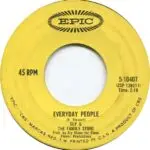
1. Everyday People – Sly & The Family Stone
Sly & The Family Stone remained at No. 1 with “Everyday People,” extending the reign of one of the most important records of the decade. Its message of equality and acceptance continued to resonate with audiences across America, helping it maintain its popularity long after many hits would have begun to fade.
The song’s musical innovation was equally important. By combining soul, funk, rock, and pop influences into a unified sound, the group created a blueprint that countless artists would follow. The record sounded fresh, modern, and unlike anything else on the radio.
Its continued success demonstrated both the power of its message and the strength of its musical vision, making it one of the defining songs of 1969.
2. Proud Mary – Creedence Clearwater Revival
Creedence Clearwater Revival made one of the week’s biggest moves, climbing from No. 5 to No. 2 with “Proud Mary.” The song’s vivid storytelling and driving rhythm helped separate it from many of the more experimental records dominating the era.
John Fogerty’s songwriting combined elements of rock, country, blues, and Southern imagery into a uniquely American sound. The record’s authenticity and energy quickly won over both critics and listeners.
Its rapid climb signaled the arrival of Creedence Clearwater Revival as one of the most important bands of the period.
3. Build Me Up Buttercup – The Foundations
The Foundations held steady at No. 3 with “Build Me Up Buttercup,” one of the most infectious pop hits of the era. Its memorable chorus and energetic arrangement made it a favorite among radio listeners throughout the country.
The song successfully blended pop accessibility with soulful influences, creating a timeless sound that continues to resonate decades later. Few records captured pure joy and optimism quite so effectively.
Its sustained success reflected its broad appeal and exceptional songwriting.
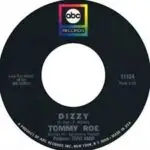
4. Dizzy – Tommy Roe
Tommy Roe jumped from No. 10 to No. 4 with “Dizzy,” one of the fastest-rising records on the chart. The song’s catchy melody and upbeat production made it immediately accessible to a wide audience.
Roe had already enjoyed success earlier in the decade, but “Dizzy” demonstrated his ability to adapt to changing musical trends while maintaining his gift for memorable pop songwriting.
The song’s strong momentum suggested that it could become a serious contender for the top spot in the weeks ahead.
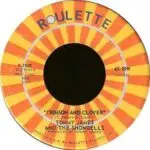
5. Crimson And Clover – Tommy James And The Shondells
Former chart-topper “Crimson And Clover” slipped to No. 5 but remained one of the most innovative records on the Hot 100. Tommy James And The Shondells created a distinctive blend of psychedelic pop and commercial appeal that few groups could match.
The song’s dreamy production, experimental vocal treatments, and memorable melody helped define the sound of late-1960s pop music. Even after leaving the top position, it continued to enjoy widespread popularity.
Its enduring presence in the Top 5 demonstrated the lasting appeal of one of the era’s most creative recordings.
▶ Watch and experience this song →
More Weeks at #1 for “Everyday People”
This song spent multiple weeks at #1 on the Billboard Hot 100. Explore each chart week below:
🎂 What Was the #1 Song on Your Birthday?
If you were born during the week ending March 8, 1969, this was your birthday song:
🎵 Everyday People by Sly & the Family Stone
▶ Watch and experience this song →
🎂 Born in the 60s? Try your own birthday:
Top 10 on the Billboard Hot 100 This Week
- Everyday People – Sly & The Family Stone
- Proud Mary – Creedence Clearwater Revival
- Build Me Up Buttercup – The Foundations
- Dizzy – Tommy Roe
- Crimson And Clover – Tommy James And The Shondells
- This Magic Moment – Jay-And-The-Americans
- This Girl’s In Love With You – Dionne Warwick
- Baby, Baby Don’t Cry – Smokey Robinson & The Miracles
- Touch Me – The Doors
- Indian Giver – 1910 Fruitgum Co.
Chart Movers This Week
Why This Week Mattered
The March 8, 1969 chart showcased the remarkable diversity that defined late-1960s popular music. Funk, soul, psychedelic pop, roots rock, and mainstream pop all occupied prominent positions, reflecting a rapidly evolving musical landscape.
Perhaps most importantly, this week highlighted the emergence of Creedence Clearwater Revival as a major force. The dramatic rise of “Proud Mary” pointed toward the band’s coming dominance and introduced a roots-oriented sound that would become increasingly influential during the next several years.
Viewed today, this chart stands as a snapshot of a transitional moment in music history. The sounds of the 1960s remained strong, but the foundation for many of the defining trends of the 1970s was already clearly visible.