Billboard Hot 100 | Top 5 – Week of November 3, 1962
The Billboard Hot 100 for November 3, 1962 brought a dramatic new #1 song as The Crystals climbed to the top with “He’s A Rebel.” Produced by Phil Spector, the record delivered one of the most powerful and emotional sounds yet heard on early 1960s pop radio.
Gene Pitney followed closely behind at #2 with “Only Love Can Break A Heart,” while The Contours held at #3 with the energetic Motown dance hit “Do You Love Me.” Former #1 “Monster Mash” slipped to #4 after dominating Halloween week, but Bobby “Boris” Pickett’s novelty smash remained one of the biggest cultural moments of the season.
Brenda Lee rounded out the Top 5 with “All Alone Am I,” adding emotional heartbreak and vocal sophistication to a chart already filled with girl groups, soul music, dance crazes, and dramatic pop ballads.
The lower half of the Top 10 showed just how quickly the sound of popular music was evolving. The 4 Seasons were already returning with another major hit, Chubby Checker kept the dance craze alive with “Limbo Rock,” Neil Sedaka returned with another polished pop single, and Elvis Presley climbed into the Top 10 with “Return To Sender.”
Top 5 Songs
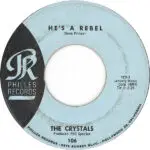
1. He’s A Rebel – The Crystals
The Crystals reached #1 this week with “He’s A Rebel,” giving the girl-group era one of its defining moments. The song combined teenage romance, emotional storytelling, and huge production into a record that sounded larger than life.
Producer Phil Spector created an enormous sound filled with layered instruments, echo, and dramatic intensity. The production style helped push pop music into a more cinematic direction and became one of the earliest major examples of the famous Wall of Sound.
The song’s success also showed the growing importance of female vocal groups in early 1960s music. “He’s A Rebel” was emotional, rebellious, and powerful, helping establish the girl-group sound as one of the defining movements of the decade.
2. Only Love Can Break A Heart – Gene Pitney
Gene Pitney climbed to #2 with “Only Love Can Break A Heart,” one of the most dramatic heartbreak songs of 1962. Pitney’s emotional delivery gave the song intensity without losing its polished pop sound.
The record balanced orchestral production with genuine vulnerability. Pitney’s voice carried sadness and longing in a way that connected strongly with listeners during an era filled with emotional ballads.
The success of the song showed how important storytelling remained in early 1960s pop music. Even with dance hits and novelty songs filling the charts, audiences still responded deeply to powerful heartbreak records.
3. Do You Love Me – The Contours
The Contours remained at #3 with “Do You Love Me,” continuing Motown’s growing rise on the Billboard Hot 100. The record’s raw energy and dance-focused rhythm made it one of the liveliest hits of the year.
Unlike many smoother pop records of the period, “Do You Love Me” sounded urgent and physical. The vocal performance felt spontaneous and exciting, perfectly matching the dance-craze atmosphere still shaping popular music in 1962.
The song’s continued success helped establish Motown as a major force in American music. Detroit soul was rapidly becoming one of the defining sounds of the decade, and The Contours helped lead that movement forward.
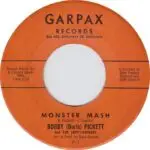
4. Monster Mash – Bobby “Boris” Pickett And The Crypt-Kickers
After reaching #1 during Halloween week, “Monster Mash” slipped to #4 but remained one of the most memorable records on the chart. Bobby “Boris” Pickett had successfully turned a novelty song into a nationwide pop phenomenon.
The record’s monster-movie atmosphere, comic vocals, and catchy beat gave it immediate personality. Listeners could instantly recognize the song after only a few seconds, which helped make it unforgettable.
More importantly, “Monster Mash” proved to have unusual staying power for a novelty record. What began as a seasonal hit in 1962 eventually became a permanent Halloween tradition that returned year after year.
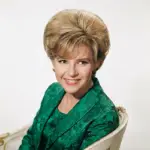
5. All Alone Am I – Brenda Lee
Brenda Lee climbed into the Top 5 this week with “All Alone Am I,” bringing emotional depth and vocal maturity to the chart. The song showed a more sophisticated side of Lee’s talent beyond her earlier rock and roll hits.
Her performance was filled with sadness and restraint, allowing the heartbreak in the lyrics to feel believable and personal. Lee’s voice carried emotional power while still sounding polished and controlled.
The success of the song confirmed Brenda Lee as one of the era’s strongest vocalists. She could move easily between energetic rockers and emotional ballads, giving her a versatility few singers could match in 1962.
More Weeks at #1 for “He’s a Rebel”
This song spent multiple weeks at #1 on the Billboard Hot 100. Explore each chart week below:
🎂 What Was the #1 Song on Your Birthday?
If you were born during the week ending November 3, 1962, this was your birthday song:
🎵 He’s a Rebel by The Crystals
▶ Watch and experience this song →
🎂 Born in the 60s? Try your own birthday:
- He’s A Rebel – The Crystals
- Only Love Can Break A Heart – Gene Pitney
- Do You Love Me – The Contours
- Monster Mash – Bobby “Boris” Pickett And The Crypt-Kickers
- All Alone Am I – Brenda Lee
- Big Girls Don’t Cry – The 4 Seasons
- Gina – Johnny Mathis
- Limbo Rock – Chubby Checker
- Next Door To An Angel – Neil Sedaka
- Return To Sender – Elvis Presley
Chart Movers This Week
The Girl-Group Era Reached The Top
The November 3, 1962 Billboard Hot 100 marked an important moment for the girl-group movement as The Crystals reached #1 with “He’s A Rebel.” Phil Spector’s dramatic production style and the emotional strength of the song helped reshape the sound of pop music.
At the same time, Motown continued rising with The Contours, while Gene Pitney and Brenda Lee proved that emotional ballads still carried enormous power on radio. Novelty songs, soul music, heartbreak records, and dance hits all remained part of the same musical landscape.
This week captured the growing richness of early 1960s pop. The charts no longer belonged to one style alone. Instead, they reflected a country listening to louder productions, deeper emotions, stronger rhythms, and songs that would continue influencing music for decades to come.