Billboard Hot 100 | Top 5 – Week of October 11, 1969
By October 1969, the Billboard Hot 100 reflected a fascinating crossroads in American popular music. The carefree sounds of bubblegum pop still dominated the charts, yet soul music, rock, and singer-songwriter ballads were steadily gaining momentum. Radio listeners enjoyed an unusually wide variety of styles, making this one of the most diverse periods in Billboard history. As the final months of the decade approached, many of the songs climbing the charts would go on to become enduring favorites.
Holding firmly at No. 1 for a fourth consecutive week was “Sugar, Sugar” by The Archies. The fictional cartoon group’s massive hit had become the defining pop single of late 1969. Behind it, Oliver’s movie-inspired ballad “Jean” remained at No. 2, while teen idol Bobby Sherman continued his impressive run with “Little Woman.” The Temptations climbed into the Top 5 with their powerful Motown hit “I Can’t Get Next To You,” and Sly & The Family Stone’s “Hot Fun In The Summertime” captured the final warm days of the season.
The Top 10 also featured strong performances from Nilsson, Three Dog Night, The Rolling Stones, Gary Puckett and the Union Gap, and Creedence Clearwater Revival. Together, these songs created a chart that perfectly represented the wide-ranging tastes of music fans during the closing chapter of the 1960s.
Top 5 Songs (October 11, 1969)
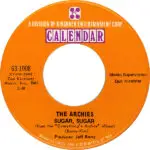
1. Sugar, Sugar – The Archies
“Sugar, Sugar” remained America’s favorite song for another week. Its catchy melody, bright production, and universal appeal helped it dominate radio playlists across the country.
Despite competition from rock, soul, and country records, the bubblegum-pop smash continued its remarkable run at the top of the Hot 100.
2. Jean – Oliver
Oliver held steady at No. 2 with “Jean,” the romantic theme from The Prime of Miss Jean Brodie. Its gentle arrangement and emotional delivery made it one of the year’s most successful easy-listening crossover hits.
The song remained one of the strongest challengers to the chart’s top position.
3. Little Woman – Bobby Sherman
Bobby Sherman maintained his position at No. 3 with “Little Woman.” The song’s upbeat sound and Sherman’s popularity among teenage fans made it one of the most successful records of his career.
Its continued presence near the top reflected the strength of teen-oriented pop music in late 1969.

4. I Can’t Get Next To You – The Temptations
The Temptations climbed to No. 4 with “I Can’t Get Next To You.” Featuring dynamic vocals and the unmistakable Motown sound, the single was rapidly becoming one of the group’s biggest hits.
Its continued rise suggested that a run toward No. 1 was well within reach.
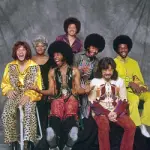
5. Hot Fun In The Summertime – Sly & The Family Stone
Sly & The Family Stone reached the Top 5 with “Hot Fun In The Summertime.” The nostalgic ode to summer perfectly captured the mood of a season that had included Woodstock and countless memorable musical moments.
The song’s blend of soul, funk, and pop made it one of the group’s most beloved recordings.
More Weeks at #1 for “Sugar, Sugar”
This song spent multiple weeks at #1 on the Billboard Hot 100. Explore each chart week below:
🎂 What Was the #1 Song on Your Birthday?
If you were born during the week ending October 11, 1969, this was your birthday song:
🎵 Sugar, Sugar by The Archies
▶ Watch and experience this song →
🎂 Born in the 60s? Try your own birthday:
Top 10 on the Billboard Hot 100 This Week
- Sugar, Sugar – The Archies
- Jean – Oliver
- Little Woman – Bobby Sherman
- I Can’t Get Next To You – The Temptations
- Hot Fun In The Summertime – Sly & The Family Stone
- Everybody’s Talkin’ – Nilsson
- Easy To Be Hard – Three Dog Night
- Honky Tonk Women – The Rolling Stones
- This Girl Is A Woman Now – Gary Puckett And The Union Gap
- Green River – Creedence Clearwater Revival
Chart Movers This Week
Looking Back at October 11, 1969
The Billboard Hot 100 for October 11, 1969 showcased the remarkable variety that defined the final year of the decade. Bubblegum pop led the chart, but soul, rock, soundtrack themes, and easy-listening ballads all found success. Songs such as “I Can’t Get Next To You,” “Hot Fun In The Summertime,” and “Everybody’s Talkin'” were still climbing, promising additional chart changes in the weeks ahead.
More than fifty years later, this chart remains a snapshot of an era when musical boundaries were expanding and radio audiences embraced an unprecedented range of sounds. It serves as a reminder of just how vibrant and diverse popular music had become by the autumn of 1969.