Billboard Hot 100 | Top 5 – Week of October 19, 1963
The Billboard Hot 100 for the week of October 19, 1963, remained remarkably stable at the top, but important changes were taking place beneath the surface. Jimmy Gilmer And The Fireballs continued to hold the #1 position with “Sugar Shack,” while The Ronettes remained close behind at #2 with “Be My Baby.” Bobby Vinton’s “Blue Velvet,” which had ruled the chart only a few weeks earlier, held on at #3 as its impressive run continued.
The Top 5 reflected the incredible variety of music popular with American listeners during the fall of 1963. Lighthearted pop sat alongside dramatic girl-group productions, emotional soul recordings, and polished orchestral ballads. Radio stations could move from one style to another without sounding out of place, something that made this era especially unique.
One of the week’s biggest stories was the continued rise of Ray Charles. His recording of “Busted” climbed into the Top 5 and showed that country-influenced storytelling could blend seamlessly with rhythm and blues. Meanwhile, Garnet Mimms & The Enchanters continued to give soul music a strong presence with the emotional “Cry Baby.”
As the year moved toward its final months, the chart was beginning to reveal which records would become lasting classics. Some songs were enjoying brief moments in the spotlight, while others were quietly building legacies that would continue for decades.
Top 5 Songs
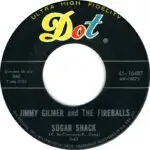
1. Sugar Shack – Jimmy Gilmer And The Fireballs
“Sugar Shack” held the #1 position for a second consecutive week and continued to dominate American radio. The song’s catchy melody, upbeat tempo, and memorable organ hook made it one of the most recognizable records of 1963.
Unlike many of the dramatic productions climbing the charts at the same time, “Sugar Shack” succeeded through simplicity. It was fun, easy to sing along with, and perfectly suited for repeated radio play. Those qualities helped it connect with listeners across the country.
The record’s momentum showed no signs of slowing down. By mid-October, it had established itself as the song every competitor was trying to catch.
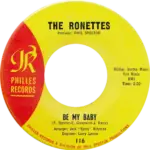
2. Be My Baby – The Ronettes
The Ronettes remained at #2 with “Be My Baby,” continuing one of the most impressive chart runs of the year. Ronnie Spector’s unforgettable vocal and Phil Spector’s Wall of Sound production combined to create a record that sounded unlike anything else on radio.
The song’s emotional intensity and rich orchestration gave it a timeless quality. Every element of the recording seemed designed to create maximum impact, from the opening drumbeat to the soaring vocal harmonies.
Although it had not yet reached #1, “Be My Baby” was already becoming one of the defining songs of the decade. Its influence would eventually stretch far beyond its original chart performance.
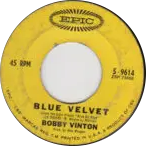
3. Blue Velvet – Bobby Vinton
Bobby Vinton held steady at #3 with “Blue Velvet,” one of the year’s most successful ballads. After spending three weeks at #1, the record continued to demonstrate remarkable staying power.
Its romantic mood and elegant arrangement offered a contrast to many of the more energetic records around it. Vinton’s smooth vocal style helped make the song appealing to a broad audience that extended beyond teenage listeners.
As the weeks passed, it became increasingly clear that “Blue Velvet” would be remembered as one of the signature recordings of both Bobby Vinton’s career and the early 1960s.

4. Busted – Ray Charles and his Orchestra
Ray Charles climbed to a new peak of #4 with “Busted.” The song told the story of financial hardship and everyday struggles, themes that resonated strongly with many listeners.
Charles brought his unique blend of soul, rhythm and blues, country, and pop influences to the recording. His expressive vocal performance transformed a simple story song into something deeply relatable and emotionally compelling.
The success of “Busted” highlighted Ray Charles’ extraordinary versatility. Few artists of the era could move so comfortably between genres while maintaining such a distinctive musical identity.
5. Cry Baby – Garnet Mimms & The Enchanters
“Cry Baby” slipped slightly from #4 to #5, but it remained one of the strongest soul records on the chart. Garnet Mimms delivered a passionate vocal performance that gave the song tremendous emotional power.
The record stood apart because of its raw honesty. Rather than relying on polished pop formulas, it embraced vulnerability and heartbreak, creating a connection with listeners who could relate to its message.
Its continued presence in the Top 5 demonstrated the growing popularity of soul music and the increasing influence of R&B performers on mainstream pop charts.
More Weeks at #1 for “Sugar Shack”
This song spent multiple weeks at #1 on the Billboard Hot 100. Explore each chart week below:
🎂 What Was the #1 Song on Your Birthday?
If you were born during the week ending October 19, 1963, this was your birthday song:
🎵 Sugar Shack by Jimmy Gilmer and the Fireballs
▶ Watch and experience this song →
🎂 Born in the 60s? Try your own birthday:
- Sugar Shack – Jimmy Gilmer And The Fireballs
- Be My Baby – The Ronettes
- Blue Velvet – Bobby Vinton
- Busted – Ray Charles and his Orchestra
- Cry Baby – Garnet Mimms & The Enchanters
- Sally, Go ’round The Roses – The Jaynetts
- Mean Woman Blues – Roy Orbison
- Donna The Prima Donna – Dion (Di Muci)
- Deep Purple – Nino Tempo & April Stevens
- Don’t Think Twice, It’s All Right – Peter, Paul & Mary
Chart Movers This Week
The week of October 19, 1963, demonstrated just how diverse American popular music had become. A novelty-flavored pop hit sat at #1, while a Wall of Sound masterpiece, a romantic ballad, a Ray Charles classic, and a powerful soul recording rounded out the Top 5.
The chart also reflected a period of relative stability. Several songs had established themselves as major hits and were maintaining their positions week after week. At the same time, future contenders such as “Deep Purple” and Roy Orbison’s “Mean Woman Blues” were steadily moving upward.
Looking back, this chart captures a fascinating moment just before the musical revolution of 1964. American artists still dominated the Hot 100, and the variety of sounds represented here remains one of the defining characteristics of the era.