
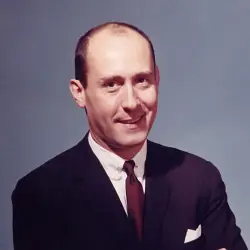
About Henry Mancini
Henry Mancini was one of the most influential composers and musicians of the 1960s, known for creating some of the most recognizable film and television music of all time. Born in Ohio, Mancini became a master of blending orchestral music with jazz, pop, and easy listening, helping bring instrumental music into the mainstream.
His work defined the sound of Hollywood during the 1960s, with iconic compositions that extended far beyond the films they were written for. Unlike many artists of the era, Mancini’s success came largely through instrumental music, making his achievements especially unique.
Henry Mancini Number One Songs
Henry Mancini reached #1 on the Billboard Hot 100 with one of the most famous instrumental recordings of the decade.
Why Henry Mancini Mattered in the 1960s
Henry Mancini mattered because he brought film music into popular culture in a way that few composers ever had. His melodies became hits on the radio, proving that instrumental music could compete with vocal-driven pop and rock songs.
He also helped redefine how music enhanced storytelling in film. His compositions didn’t just accompany scenes—they helped shape the emotional experience of the audience.
With award-winning work like “Moon River” and “Days of Wine and Roses,” Mancini became one of the most respected figures in both music and film. These songs earned Academy Awards and Grammy recognition, highlighting his ability to create music that resonated across audiences.
Henry Mancini and the Billboard Hot 100
Henry Mancini achieved chart success with several instrumental hits throughout the 1960s. His biggest moment came with “Love Theme from Romeo and Juliet,” which reached #1 on the Billboard Hot 100 in 1969—an extremely rare accomplishment for an instrumental recording.
Other notable charting works included “Moon River,” which became one of the most beloved songs of the era, and “The Pink Panther Theme,” which remains instantly recognizable decades later.
Even songs like “Days of Wine and Roses” achieved strong chart presence and widespread popularity, reinforcing Mancini’s influence across both pop and easy listening audiences.
Henry Mancini’s Musical Style
Henry Mancini’s music blended orchestral arrangements, jazz elements, and pop sensibilities into a smooth and sophisticated sound. His compositions often featured memorable melodies supported by rich instrumentation, making them both cinematic and accessible.
He was especially known for his ability to create mood through music. Whether it was the elegance of “Moon River” or the playful mystery of “The Pink Panther Theme,” his work helped define how music could shape emotion in both film and popular culture.
This ability to combine storytelling with melody made him one of the most versatile composers of his time.
Henry Mancini’s Lasting Legacy
Henry Mancini remains one of the most decorated composers in music history, winning multiple Academy Awards and Grammy Awards throughout his career.
His influence extends far beyond the 1960s, with his music continuing to be used in films, television, and popular culture around the world.
For fans of 1960s music, Henry Mancini represents innovation and elegance—a composer who proved that instrumental music could not only succeed, but define an era.