
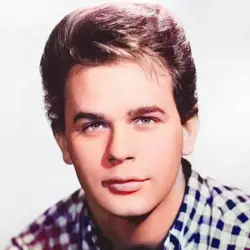
About Lou Christie
Lou Christie was one of the most distinctive pop singers of the 1960s, known for his soaring falsetto voice, dramatic storytelling, and emotionally charged songs. Born Lugee Alfredo Giovanni Sacco in Pennsylvania, Christie became a major force in early and mid-1960s pop music with a style that blended rock, pop, and blue-eyed soul.
Working closely with songwriter Twyla Herbert, Christie developed a unique sound filled with theatrical arrangements, romantic tension, and unforgettable vocal performances. His records stood apart from much of the era’s music because of their emotional intensity and vocal range.
Lou Christie Number One Songs
Lou Christie reached #1 on the Billboard Hot 100 with one of the most dramatic pop hits of the decade.
Why Lou Christie Mattered in the 1960s
Lou Christie mattered because he brought theatrical emotion and an unmistakable falsetto voice into mainstream pop music. His hit “Lightnin’ Strikes” became famous for its explosive arrangement, dramatic vocal shifts, and themes of teenage temptation and romance.
He also pushed boundaries lyrically. His follow-up hit “Rhapsody in the Rain” became controversial in 1966 because many radio stations considered its lyrics too suggestive for airplay. MGM Records eventually required Christie to re-record parts of the song with toned-down lyrics before wider release.
This willingness to take creative risks helped make Christie one of the more daring and unique voices of the decade.
Lou Christie and the Billboard Hot 100
Lou Christie made his biggest impact on the Billboard Hot 100 with “Lightnin’ Strikes,” which reached #1 in February 1966 and sold more than one million copies.
Before his #1 success, Christie had already established himself with hits like “The Gypsy Cried” and “Two Faces Have I,” the latter reaching #6 on the Billboard Hot 100 in 1963.
His controversial follow-up, “Rhapsody in the Rain,” still managed to reach the Top 20 despite radio bans and public criticism.
Christie later returned to the Top 10 in 1969 with “I’m Gonna Make You Mine,” proving his ability to adapt as pop music evolved later in the decade.
Lou Christie’s Musical Style
Lou Christie’s music blended pop, rock, blue-eyed soul, and dramatic orchestral arrangements into a highly emotional style. His signature falsetto became one of the most recognizable voices of the 1960s.
Songs like “Lightnin’ Strikes” used sudden tempo changes, layered backing vocals, and dramatic pauses to heighten emotional tension, while “Rhapsody in the Rain” mixed romantic storytelling with cinematic orchestration inspired partly by classical music.
This theatrical approach gave Christie a sound unlike almost anyone else on the radio during the era.
Lou Christie’s Lasting Legacy
Lou Christie remains one of the most distinctive voices of 1960s pop music. His signature hit “Lightnin’ Strikes” continues to be recognized as one of the defining pop songs of the decade.
His influence can still be heard in later falsetto-driven pop and rock singers, while songs like “Rhapsody in the Rain” are remembered for helping push lyrical boundaries in mainstream music.
For fans of 1960s music, Lou Christie represents drama, emotion, and individuality—a singer who transformed teenage heartbreak and desire into unforgettable pop music.