Billboard Hot 100 | Top 5 – Week of August 3, 1968
The first week of August 1968 delivered one of the most dramatic chart shakeups of the year. After weeks of climbing steadily through the Billboard Hot 100, The Doors surged from number nine all the way to the top spot with Hello, I Love You. Their rise reflected the growing influence of psychedelic and album-oriented rock, a trend that was reshaping popular music as the decade moved toward its final years.
While rock was making headlines, the chart remained remarkably diverse. Instrumental music continued to thrive with Mason Williams’ Classical Gas reaching number two and Hugh Masekela’s former chart-topper Grazing In The Grass remaining firmly in the Top 5. The 5th Dimension’s sophisticated blend of pop and soul held steady at number three, while Donovan’s mystical Hurdy Gurdy Man completed the week’s Top 5.
The chart also reflected the changing tastes of American listeners. Traditional pop, sunshine pop, psychedelic rock, soul, and instrumental music all coexisted in the upper reaches of the Hot 100. Meanwhile, established stars such as The Rolling Stones continued to score major hits, proving that British rock remained a dominant force in the United States.
Looking back, this week captures a fascinating moment when the carefree sounds of summer met the increasingly experimental spirit of late-1960s music. It was a period when almost anything could become a hit, and radio listeners were rewarded with one of the most varied charts in Billboard history.
Top 5 Songs (August 3, 1968)
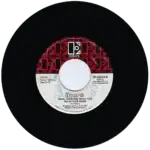
1. Hello, I Love You – The Doors
The Doors made an impressive leap from number nine to number one with Hello, I Love You. Built around a memorable riff and Jim Morrison’s charismatic vocal performance, the song quickly became one of the band’s biggest commercial successes.
Unlike some of the group’s darker and more experimental recordings, this single offered a concise and highly accessible pop structure while still maintaining the distinctive sound that made The Doors unique. The combination proved irresistible to radio programmers and listeners alike.
The song’s arrival at number one signaled the growing influence of psychedelic rock on mainstream popular music. It would become one of the defining hits of the summer of 1968.
2. Classical Gas – Mason Williams
Mason Williams climbed into the runner-up position with one of the decade’s most celebrated instrumentals. Classical Gas blended folk, classical, and pop influences into a recording unlike anything else on the charts.
The intricate guitar work and sophisticated arrangement appealed to a broad audience, demonstrating that instrumental music could still command significant attention in the rock era. Its success was especially remarkable given the increasingly vocal-oriented nature of contemporary pop music.
By early August, the song had become one of the most talked-about records on American radio.
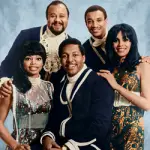
3. Stoned Soul Picnic – The 5th Dimension
The 5th Dimension remained at number three with their sophisticated interpretation of Laura Nyro’s composition. The song’s blend of jazz, soul, and pop elements gave it a distinctive sound that stood out among the summer’s biggest hits.
The group’s polished harmonies and smooth production helped introduce a wider audience to Nyro’s songwriting genius. Their performance struck a balance between artistic ambition and commercial appeal.
Ten weeks into its chart run, the song remained one of the most elegant and enduring records of 1968.
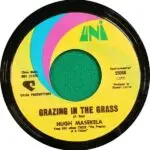
4. Grazing In The Grass – Hugh Masekela
After spending two weeks at number one, Hugh Masekela’s instrumental favorite slipped to fourth place. Even so, the record continued to enjoy tremendous popularity among radio audiences.
The song’s joyful trumpet melody and infectious rhythm made it one of the most recognizable instrumentals of the decade. Its crossover appeal allowed it to find fans across multiple musical genres.
Few instrumental recordings achieved this level of commercial success during the late 1960s, making its chart performance particularly impressive.

5. Hurdy Gurdy Man – Donovan
Donovan continued his climb into the Top 5 with one of the most atmospheric recordings of the year. Hurdy Gurdy Man blended folk influences with psychedelic production techniques to create a sound that felt both ancient and modern.
The song’s mystical lyrics and driving musical arrangement helped distinguish it from many of the lighter pop hits dominating radio playlists. It showcased Donovan’s evolution from folk singer to one of the era’s most inventive recording artists.
Its continued ascent suggested that even greater chart success could still be ahead.
More Weeks at #1 for “Hello, I Love You”
This song spent multiple weeks at #1 on the Billboard Hot 100. Explore each chart week below:
🎂 What Was the #1 Song on Your Birthday?
If you were born during the week ending August 3, 1968, this was your birthday song:
🎵 Hello, I Love You by The Doors
▶ Watch and experience this song →
🎂 Born in the 60s? Try your own birthday:
Top 10 on the Billboard Hot 100 This Week
- Hello, I Love You – The Doors
- Classical Gas – Mason Williams
- Stoned Soul Picnic – The 5th Dimension
- Grazing In The Grass – Hugh Masekela
- Hurdy Gurdy Man – Donovan
- Jumpin’ Jack Flash – The Rolling Stones
- Lady Willpower – Gary Puckett And The Union Gap
- The Horse – Cliff Nobles & Co.
- Turn Around, Look At Me – The Vogues
- Sunshine Of Your Love – Cream
Chart Movers This Week
Looking Back at August 1968
The August 3, 1968 chart highlights a fascinating transition period in popular music. Psychedelic rock was gaining momentum, sophisticated pop arrangements remained popular, and instrumentals continued to find enthusiastic audiences despite changing musical trends.
The arrival of The Doors at number one marked a significant moment for rock music, while songs like Classical Gas, Grazing In The Grass, and Stoned Soul Picnic demonstrated the extraordinary variety listeners could hear on American radio.
More than five decades later, this chart remains a remarkable snapshot of a creative era when musical boundaries were expanding and some of the decade’s most memorable recordings were reaching their peak.