Billboard Hot 100 | Top 5 – Week of February 10, 1968
The Billboard Hot 100 for February 10, 1968 delivered one of the most surprising chart stories of the decade. An instrumental recording, something that had become increasingly rare at the top of the charts, suddenly surged from number seven to number one. Paul Mauriat And His Orchestra accomplished what few instrumental acts could achieve during the rock era, proving that a beautiful melody could still capture the imagination of the American public.
The chart also reflected the remarkable diversity of popular music in early 1968. Psychedelic pop remained strong with The Lemon Pipers and John Fred And The Playboys, while soul music continued to thrive through Aretha Franklin and The Temptations. Meanwhile, Classics IV’s atmospheric hit Spooky continued its climb toward the upper reaches of the chart, adding another distinctive sound to an already varied Top 10.
Unlike many periods dominated by a single trend, February 1968 offered listeners an unusually broad selection of music. Instrumentals, soul, psychedelic pop, vocal groups, and traditional pop arrangements all competed successfully for radio airplay. The result was one of the most interesting and unpredictable charts of the late 1960s.
Looking back today, this week’s chart serves as a reminder that popular music was constantly evolving. Even as rock music became increasingly influential, there was still room for an elegant instrumental recording to capture the nation’s attention and reach the very top of the Billboard Hot 100.
Top 5 Songs (February 10, 1968)
1. Love Is Blue (L’amour Est Bleu) – Paul Mauriat And His Orchestra
One of the biggest surprises of 1968 arrived this week as Love Is Blue (L’amour Est Bleu) jumped from number seven to number one. Instrumental recordings were becoming increasingly uncommon at the top of the charts, making Paul Mauriat’s achievement especially noteworthy. The record’s rapid rise reflected its growing popularity with both radio programmers and listeners.
The song’s appeal came from its elegant arrangement and memorable melody. Without relying on lyrics, it created a mood that listeners found both sophisticated and emotionally engaging. Its lush orchestration offered a refreshing contrast to the louder and more experimental sounds dominating many contemporary records.
Historically, the song became one of the last major instrumental chart-toppers of the rock era. Its success demonstrated that a beautifully crafted melody could still compete against the biggest vocal acts in popular music.
2. Green Tambourine – The Lemon Pipers
After reaching number one the previous week, Green Tambourine slipped to number two. Even with the decline, it remained one of the most distinctive records on American radio and continued to benefit from strong listener support.
The song’s psychedelic atmosphere and unusual production helped it stand apart from more conventional pop records. The Lemon Pipers successfully blended experimentation with accessibility, creating a sound that felt fresh without alienating mainstream audiences.
Its brief stay at number one helped cement its place among the signature psychedelic-pop hits of the era. The song remains closely associated with the colorful creativity that defined early 1968.
3. Spooky – Classics IV
Spooky climbed from number four to number three this week, reaching a new chart peak. The record’s mysterious atmosphere and memorable instrumental hooks helped it become one of the fastest-rising songs in the country.
Classics IV brought together elements of jazz, pop, and rock in a way that felt both sophisticated and radio-friendly. The song’s unique personality made it instantly recognizable whenever it came on the air.
Its continued rise showed that listeners were eager for something different. While many hits followed familiar formulas, Spooky succeeded by creating a mood and identity entirely its own.
4. Judy In Disguise (With Glasses) – John Fred And The Playboys
After spending two weeks at number one, Judy In Disguise (With Glasses) continued its gradual descent, falling to number four. Even so, the song remained one of the biggest hits of the season and continued to receive widespread airplay.
Its playful lyrics and psychedelic influences captured the spirit of the times. Few songs managed to balance humor, creativity, and commercial appeal as effectively as this unexpected chart-topper.
The record’s success story remained remarkable. Rising from a debut position of 99 to the top of the Billboard Hot 100 demonstrated the power of strong word-of-mouth support and a memorable radio hit.
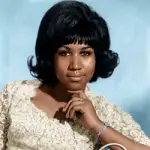
5. Chain Of Fools – Aretha Franklin
Aretha Franklin rounded out the Top 5 with Chain Of Fools, one of the defining soul recordings of the decade. Although it had peaked at number two, the song remained a major force after ten weeks on the chart.
Franklin’s powerful vocal performance transformed a story of disappointment into an anthem of resilience and strength. Her ability to convey deep emotion while maintaining complete control of the song made the record unforgettable.
By early 1968, Franklin had firmly established herself as one of the most important artists in popular music. Chain Of Fools stands as one of the key recordings that helped build her legendary reputation.
More Weeks at #1 for “Love Is Blue”
This song spent multiple weeks at #1 on the Billboard Hot 100. Explore each chart week below:
🎂 What Was the #1 Song on Your Birthday?
If you were born during the week ending February 10, 1968, this was your birthday song:
🎵 Love Is Blue by Paul Mauriat
▶ Watch and experience this song →
🎂 Born in the 60s? Try your own birthday:
Top 10 on the Billboard Hot 100 This Week
- Love Is Blue (L’amour Est Bleu) – Paul Mauriat And His Orchestra
- Green Tambourine – The Lemon Pipers
- Spooky – Classics IV
- Judy In Disguise (With Glasses) – John Fred And The Playboys
- Chain Of Fools – Aretha Franklin
- I Wish It Would Rain – The Temptations
- Goin’ Out Of My Head/Can’t Take My Eyes Off You – The Lettermen
- Nobody But Me – The Human Beinz
- Woman, Woman – The Union Gap Featuring Gary Puckett
- Bend Me, Shape Me – The American Breed
Chart Movers This Week
Looking Back at February 1968
The February 10, 1968 chart highlights just how diverse American popular music had become by the late 1960s. Instrumental music, psychedelic pop, soul, and traditional vocal performances all found a place among the nation’s most popular records. Rather than one dominant style, listeners embraced a wide variety of sounds.
The arrival of Love Is Blue (L’amour Est Bleu) at number one was particularly significant because it demonstrated that an instrumental recording could still become a national phenomenon during the rock era. At the same time, artists like Aretha Franklin and The Lemon Pipers showed how different genres could thrive alongside one another.
Viewed today, this chart represents a fascinating moment in music history. It captures the openness and experimentation that made 1968 one of the most creative years of the decade, while also reminding us that great melodies could still unite listeners regardless of changing musical trends.