Billboard Hot 100 | Top 5 – Week of February 24, 1968
As February 1968 drew to a close, the Billboard Hot 100 reflected a musical landscape that was more diverse than ever. Instrumentals, soul, movie themes, psychedelic pop, and emerging rock classics all found places near the top of the chart. While many listeners associated the late 1960s with rapidly changing musical trends, this week’s Top 10 demonstrated that there was still room for a wide variety of styles to succeed simultaneously.
Holding firmly to the number one position was Paul Mauriat And His Orchestra’s instrumental hit Love Is Blue (L’amour Est Bleu). The record had already become one of the most surprising success stories of the year, proving that a beautifully arranged melody could still compete against the biggest vocal performances in popular music. Behind it, Dionne Warwick continued a rapid climb with (Theme From) Valley Of The Dolls, while Classics IV and The Temptations maintained strong positions with two of the most recognizable records on radio.
Perhaps the most significant development on the chart was the continued rise of Otis Redding’s (Sittin’ On) The Dock Of The Bay. Just weeks after entering the Hot 100, it had already reached the Top 5 and was rapidly becoming one of the defining records of 1968. Combined with the strong performance of established hits such as Spooky and I Wish It Would Rain, the chart showcased an impressive balance between familiar favorites and emerging classics.
Looking back today, the February 24, 1968 chart captures a unique moment when traditional pop craftsmanship, soul music, and psychedelic influences all coexisted. It remains one of the most interesting snapshots of a year that would ultimately become one of the most important in popular music history.
Top 5 Songs (February 24, 1968)
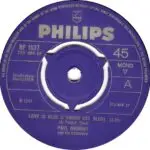
1. Love Is Blue (L’amour Est Bleu) – Paul Mauriat And His Orchestra
Love Is Blue (L’amour Est Bleu) remained at number one for a third consecutive week, continuing one of the most unexpected chart runs of the decade. Instrumental recordings rarely dominated the Hot 100 during the late 1960s, yet Paul Mauriat’s elegant arrangement had captured the attention of listeners across America.
The song’s appeal came from its graceful melody and emotional warmth. Without relying on lyrics, it created a mood that listeners found both soothing and memorable. In a period increasingly dominated by rock and soul music, its success demonstrated the enduring power of a strong musical theme.
Its continued stay at number one also highlighted the broad tastes of American audiences. While younger listeners embraced psychedelic sounds and soul music, millions still appreciated the sophistication and beauty of a well-crafted orchestral recording.
2. (Theme From) Valley Of The Dolls – Dionne Warwick
Dionne Warwick made another major leap this week, rising from number five to number two. (Theme From) Valley Of The Dolls was quickly becoming one of the biggest records in the country, driven by Warwick’s sophisticated vocal delivery and the song’s dramatic emotional impact.
Few singers of the era combined elegance and commercial appeal as effectively as Warwick. Her ability to communicate vulnerability and strength simultaneously helped elevate the song far beyond a standard movie theme.
The rapid rise of the record suggested it could soon challenge for the top spot. By late February, it had become one of the most talked-about songs on American radio.
3. Spooky – Classics IV
Spooky held steady at number three for another week, continuing an impressive chart run. Its distinctive blend of jazz, pop, and rock influences gave it a unique identity that helped it stand out among the week’s biggest hits.
The song’s moody atmosphere and memorable saxophone-driven arrangement made it instantly recognizable. Few records of the era managed to create such a distinctive mood while remaining completely accessible to mainstream audiences.
Although it had reached its peak position, the song’s staying power showed how strongly listeners connected with its unusual sound and style.

4. I Wish It Would Rain – The Temptations
The Temptations remained at number four this week with I Wish It Would Rain, one of Motown’s most emotionally powerful recordings. The song showcased a deeper and more vulnerable side of the group while retaining the polished production that made the label famous.
Its heartfelt lyrics and passionate vocal performances resonated with listeners who appreciated songs that combined emotional honesty with exceptional musicianship. The group’s harmonies added an additional layer of richness to an already powerful record.
The continued success of the song reinforced Motown’s position as one of the most influential forces in popular music during the late 1960s.
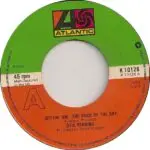
5. (Sittin’ On) The Dock Of The Bay – Otis Redding
Otis Redding continued his remarkable ascent this week, climbing into the Top 5 with (Sittin’ On) The Dock Of The Bay. The record had already become one of the fastest-rising songs on the chart and was gaining momentum at an extraordinary pace.
The song represented a new artistic direction for Redding, combining his soulful vocal style with a more reflective and introspective approach. Its relaxed mood and thoughtful lyrics distinguished it from many of the era’s more energetic soul recordings.
Looking back, the song stands as one of the defining recordings of the decade. Even at this stage of its chart run, it was clear that listeners were responding to something truly special.
▶ Watch and experience this song →
More Weeks at #1 for “Love Is Blue”
This song spent multiple weeks at #1 on the Billboard Hot 100. Explore each chart week below:
🎂 What Was the #1 Song on Your Birthday?
If you were born during the week ending February 17, 1968, this was your birthday song:
🎵 Love Is Blue by Paul Mauriat
▶ Watch and experience this song →
🎂 Born in the 60s? Try your own birthday:
Top 10 on the Billboard Hot 100 This Week
- Love Is Blue (L’amour Est Bleu) – Paul Mauriat And His Orchestra
- Green Tambourine – The Lemon Pipers
- Spooky – Classics IV
- I Wish It Would Rain – The Temptations
- (Theme From) Valley Of The Dolls – Dionne Warwick
- (Sittin’ On) The Dock Of The Bay – Otis Redding
- Goin’ Out Of My Head/Can’t Take My Eyes Off You – The Lettermen
- Nobody But Me – The Human Beinz
- Judy In Disguise (With Glasses) – John Fred And The Playboys
- I Wonder What She’s Doing Tonite – Tommy Boyce & Bobby Hart
Chart Movers This Week
Looking Back at February 1968
The February 24, 1968 chart captures a remarkable moment when several different musical worlds overlapped. Instrumental music still occupied the number one position, Motown remained a dominant force, and sophisticated pop vocalists such as Dionne Warwick continued to thrive alongside psychedelic and soul artists.
The chart also highlighted the arrival of future classics. Otis Redding’s (Sittin’ On) The Dock Of The Bay was rapidly climbing toward the top, while songs like Spooky and I Wish It Would Rain were already establishing themselves as enduring favorites. These records helped define the sound of early 1968.
Viewed today, this week serves as an excellent example of why the late 1960s remain one of the most celebrated eras in music history. The variety, creativity, and quality found throughout the chart continue to resonate with listeners more than half a century later.