Billboard Hot 100 | Top 5 – Week of August 19, 1967
The Billboard Hot 100 for August 19, 1967 captured one of the defining moments of the Summer of Love as The Beatles reached No. 1 with “All You Need Is Love.” The song’s rise to the top felt bigger than a typical chart victory. Its message of peace, unity, and optimism perfectly reflected the spirit of 1967 and connected with audiences around the world.
After three weeks at No. 1, The Doors’ “Light My Fire” slipped to No. 2 but remained one of the year’s most influential records. The contrast between The Beatles’ hopeful anthem and The Doors’ darker psychedelic masterpiece showed just how diverse popular music had become by the late summer of 1967.
The Monkees continued their strong chart run with “Pleasant Valley Sunday” at No. 3, while Stevie Wonder remained in the Top 5 with the Motown favorite “I Was Made To Love Her.” Aretha Franklin entered the Top 5 with “Baby I Love You,” proving that her remarkable momentum following “Respect” was no accident.
Further down the chart, new voices and new sounds continued to emerge. Bobbie Gentry’s mysterious “Ode To Billie Joe” made a major jump into the Top 10, while James Brown’s groundbreaking “Cold Sweat – Part 1” brought a harder funk sound to mainstream radio. This chart week perfectly reflected the creative explosion taking place throughout 1967.
Top 5 Songs
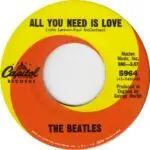
1. All You Need Is Love – The Beatles
“All You Need Is Love” climbed from No. 2 to No. 1, giving The Beatles another chart-topping hit during one of the most creative periods of their career. The song had already become a cultural event thanks to its worldwide television debut and quickly evolved into an anthem of the Summer of Love.
Its simple message was part of its power. While many songs of the era reflected changing musical styles, “All You Need Is Love” offered a message that audiences everywhere could understand. The combination of orchestral flourishes, singalong lyrics, and Beatles charm made it unforgettable.
Although it would spend only one week at No. 1, the song became one of the most enduring symbols of 1967. Its influence extended far beyond the charts and helped define how the Summer of Love would be remembered.
▶ Watch and experience this song →
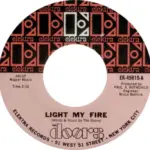
2. Light My Fire – The Doors
After three weeks at No. 1, “Light My Fire” moved down to No. 2. Even so, its impact on popular music remained enormous. The Doors had introduced a darker, more adventurous sound to mainstream radio and helped expand what listeners expected from a hit record.
The song’s hypnotic organ line and Jim Morrison’s dramatic vocal performance continued to set it apart from almost everything else on the chart. Its success demonstrated that psychedelic rock had fully arrived in the American mainstream.
Though its reign at No. 1 ended, “Light My Fire” remained one of the defining songs of 1967 and continued to influence countless artists who followed.
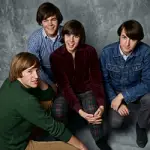
3. Pleasant Valley Sunday – The Monkees
“Pleasant Valley Sunday” rose to No. 3, becoming one of The Monkees’ strongest chart performers of the year. Unlike some of their earlier bubblegum-style hits, this record carried a sharper lyrical message about suburban conformity.
The song’s combination of catchy melodies and social commentary helped it connect with listeners while also showing artistic growth. The Monkees were increasingly proving that they could compete with the major rock acts of the era.
Its continued rise suggested that another Top 2 finish might be within reach, reinforcing the group’s remarkable popularity in 1967.
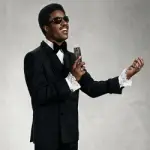
4. I Was Made To Love Her – Stevie Wonder
Stevie Wonder slipped one position to No. 4, but “I Was Made To Love Her” remained one of Motown’s strongest records of the summer. The song’s driving rhythm and passionate vocal performance helped make it one of Wonder’s signature early hits.
Motown continued to be a dominant force on the charts, and Wonder’s ability to combine youthful energy with mature musicianship set him apart from many of his peers.
Even as psychedelic rock captured headlines, Stevie Wonder demonstrated that soul music remained a vital and powerful presence on the Billboard Hot 100.
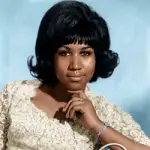
5. Baby I Love You – Aretha Franklin
“Baby I Love You” surged from No. 11 to No. 5, giving Aretha Franklin another major hit during her breakthrough year. Following the success of “Respect,” Franklin had become one of the most important voices in popular music.
The record showcased her remarkable vocal power and emotional delivery. Every line felt personal and heartfelt, helping listeners connect deeply with the song.
Its rapid climb into the Top 5 showed that Aretha’s success was no temporary phenomenon. She was establishing herself as one of the defining artists of the era.
🎂 What Was the #1 Song on Your Birthday?
If you were born during the week ending August 19, 1967, this was your birthday song:
🎵 All You Need Is Love by The Beatles
▶ Watch and experience this song →
🎂 Born in the 60s? Try your own birthday:
Top 10 on the Billboard Hot 100 This Week
- All You Need Is Love – The Beatles
- Light My Fire – The Doors
- Pleasant Valley Sunday – The Monkees
- I Was Made To Love Her – Stevie Wonder
- Baby I Love You – Aretha Franklin
- Mercy, Mercy, Mercy – The Buckinghams
- Ode To Billie Joe – Bobbie Gentry
- Cold Sweat – Part 1 – James Brown And The Famous Flames
- A Whiter Shade Of Pale – Procol Harum
- A Girl Like You – The Young Rascals
Chart Movers This Week
Why This Chart Week Mattered
The Billboard Hot 100 for August 19, 1967 mattered because it marked the arrival of “All You Need Is Love” at No. 1. More than just another Beatles hit, the song became one of the defining statements of the Summer of Love and captured the optimism many people associated with 1967.
This chart also highlighted the growing diversity of popular music. Psychedelic rock, Motown soul, British pop, folk-inspired storytelling, and the emerging sounds of funk all appeared together in the Top 10. Few years in chart history offered such a wide range of styles competing for attention.
Looking back, this week stands as one of the clearest snapshots of 1967 at its peak. The Beatles, The Doors, Aretha Franklin, Stevie Wonder, The Monkees, James Brown, and Bobbie Gentry were all shaping the future of popular music at the same time.