Billboard Hot 100 | Top 5 – Week of August 26, 1967
The Billboard Hot 100 for August 26, 1967 brought one of the year’s most unusual and unforgettable records to No. 1. Bobbie Gentry’s “Ode To Billie Joe” climbed from No. 7 to the top spot, replacing The Beatles’ “All You Need Is Love.” In a summer filled with psychedelic rock, soul landmarks, and flower-power anthems, Gentry’s quiet Southern mystery stood apart from everything else on the radio.
The Beatles slipped to No. 2 after their single week at No. 1, while The Monkees held steady at No. 3 with “Pleasant Valley Sunday.” The Doors moved down to No. 4 with “Light My Fire,” but the song remained one of the most important rock records of 1967. Aretha Franklin rounded out the Top 5 with “Baby I Love You,” continuing her remarkable breakthrough year.
The lower half of the Top 10 showed the increasing strength of soul and R&B. Stevie Wonder, James Brown, Diana Ross & The Supremes, and The Temptations all appeared together, giving this chart a strong Motown and funk foundation. James Brown’s “Cold Sweat – Part 1” was especially important, pointing toward the funk revolution that would shape the next decade.
This chart week captured 1967’s range beautifully. A mysterious country-soul story song, a Beatles anthem, psychedelic rock, Motown, funk, and British art-rock all shared the same Top 10. Few weeks better show how wide the Billboard Hot 100 had become by late summer.
Top 5 Songs
1. Ode To Billie Joe – Bobbie Gentry
“Ode To Billie Joe” jumped from No. 7 to No. 1 this week, giving Bobbie Gentry one of the most distinctive chart-topping records of the decade. The song sounded unlike the bright pop and psychedelic rock records that had dominated much of the summer.
Its power came from mystery and restraint. Gentry’s storytelling drew listeners into a Southern family conversation filled with unanswered questions, especially the mystery of what was thrown off the Tallahatchie Bridge. Instead of giving everything away, the song left space for listeners to wonder.
As a multi-week No. 1, “Ode To Billie Joe” would become one of 1967’s most memorable records. It proved that a quiet, story-driven song could command the national chart during one of pop music’s loudest and most colorful years.
2. All You Need Is Love – The Beatles
“All You Need Is Love” slipped from No. 1 to No. 2 after its brief stay at the top. Even with the drop, the song remained one of the defining anthems of the Summer of Love.
The Beatles’ message of unity and peace fit perfectly with the cultural mood of 1967. Its singalong chorus, orchestral touches, and worldwide spirit helped make it feel larger than a normal pop single.
Its continued strength at No. 2 showed how deeply the song had connected. Even in a week led by Bobbie Gentry’s intimate Southern storytelling, The Beatles remained central to the sound and meaning of the year.
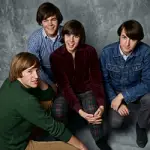
3. Pleasant Valley Sunday – The Monkees
“Pleasant Valley Sunday” held steady at No. 3, continuing The Monkees’ strong summer chart run. The song was one of their sharper singles, pairing a catchy pop sound with a satirical look at suburban life.
That combination helped the record stand apart from some of the group’s earlier hits. It still had the melody and polish listeners expected from The Monkees, but it also carried a more thoughtful edge that fit the changing mood of 1967.
Holding at No. 3 showed that The Monkees remained a major chart force. Even as the Hot 100 grew more soulful, psychedelic, and experimental, their records continued to connect with a huge audience.
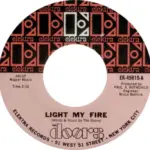
4. Light My Fire – The Doors
“Light My Fire” slipped from No. 2 to No. 4, but The Doors’ breakthrough hit remained one of the most important records on the chart. Its run at No. 1 had brought a darker, more hypnotic rock sound into the mainstream.
The song’s organ-driven atmosphere and Jim Morrison’s dramatic vocal performance helped redefine what a hit single could sound like. It was mysterious, sensual, and more adventurous than most Top 40 records of the period.
Even as it moved down, “Light My Fire” continued to represent a major turning point in 1967. It showed that psychedelic and album-oriented rock could become a national pop phenomenon.
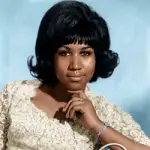
5. Baby I Love You – Aretha Franklin
“Baby I Love You” held at No. 5, giving Aretha Franklin another strong week in the Top 5. After the enormous impact of “Respect,” Franklin was proving that her breakthrough was not limited to one song.
The record showcased her emotional power and vocal authority. It had the drive and confidence of Atlantic soul, but also the warmth and feeling that made Franklin’s performances so unforgettable.
Its continued Top 5 presence showed that Aretha Franklin had become one of the essential artists of 1967. Her voice was now a defining force on the Billboard Hot 100.
More Weeks at #1 for “Ode to Billie Joe”
This song spent multiple weeks at #1 on the Billboard Hot 100. Explore each chart week below:
🎂 What Was the #1 Song on Your Birthday?
If you were born during the week ending August 26, 1967, this was your birthday song:
🎵 Ode to Billie Joe by Bobbie Gentry
▶ Watch and experience this song →
🎂 Born in the 60s? Try your own birthday:
Top 10 on the Billboard Hot 100 This Week
- Ode To Billie Joe – Bobbie Gentry
- All You Need Is Love – The Beatles
- Pleasant Valley Sunday – The Monkees
- Light My Fire – The Doors
- Baby I Love You – Aretha Franklin
- I Was Made To Love Her – Stevie Wonder
- Cold Sweat – Part 1 – James Brown And The Famous Flames
- Reflections – Diana Ross & The Supremes
- You’re My Everything – The Temptations
- A Whiter Shade Of Pale – Procol Harum
Chart Movers This Week
Why This Chart Week Mattered
The Billboard Hot 100 for August 26, 1967 mattered because “Ode To Billie Joe” brought a completely different kind of record to No. 1. Bobbie Gentry’s quiet storytelling cut through a chart filled with rock, soul, and pop anthems, proving that mystery and restraint could be just as powerful as volume and spectacle.
This week also showed soul music gaining even more influence. Aretha Franklin, Stevie Wonder, James Brown, Diana Ross & The Supremes, and The Temptations all appeared in the Top 10, making the chart a strong snapshot of R&B’s growing dominance.
By late August, 1967 had become one of the most varied years in Hot 100 history. The chart could hold Bobbie Gentry, The Beatles, The Doors, The Monkees, Aretha Franklin, James Brown, and Procol Harum all at once — a clear sign of how dramatically popular music had expanded.