Billboard Hot 100 | Top 5 – Week of December 28, 1968
As 1968 came to a close, the Billboard Hot 100 reflected many of the sounds that had defined one of the most eventful years in music history. Soul music remained dominant, country-pop continued its rise into the mainstream, and reflective songwriting stood alongside upbeat pop and rock. Sitting at number one was Marvin Gaye’s I Heard It Through The Grapevine, a record that perfectly captured the emotional depth and sophistication that increasingly characterized late-1960s popular music.
Motown’s influence was unmistakable. Marvin Gaye held the top position, Stevie Wonder climbed to number two with For Once In My Life, and Diana Ross & The Supremes remained in the Top 3 with Love Child. Together, these artists demonstrated the remarkable range of the Motown sound, from dramatic soul to uplifting pop and socially conscious storytelling.
The chart also showcased some of the year’s strongest crossover hits. Glen Campbell’s Wichita Lineman continued its steady climb, bringing sophisticated country-pop into the upper reaches of the Hot 100. Meanwhile, Classics IV’s Stormy reached a new peak, offering listeners a smooth and memorable blend of pop and soft rock.
Looking back, the final Billboard chart of 1968 feels like a fitting conclusion to a year that transformed popular music. Established stars remained strong, new sounds continued emerging, and the Top 10 reflected a remarkable diversity of styles that would influence the decade to come.
Top 5 Songs (December 28, 1968)
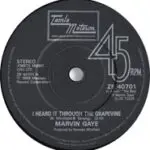
1. I Heard It Through The Grapevine – Marvin Gaye
Marvin Gaye remained firmly at number one with I Heard It Through The Grapevine, one of the defining songs of 1968. Its haunting production, memorable bass line, and emotionally charged vocal performance helped set it apart from nearly every other record on the radio.
The song represented a more mature direction for Motown, showing that soul music could be commercially successful while exploring deeper emotional territory. Gaye’s restrained but powerful delivery remains one of the greatest vocal performances of the era.
By year’s end, the record had become both a commercial triumph and an artistic landmark for Marvin Gaye and Motown.
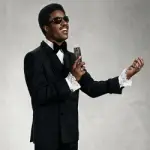
2. For Once In My Life – Stevie Wonder
Stevie Wonder climbed to a new peak of number two with For Once In My Life. The upbeat arrangement and joyful vocal performance transformed what had originally been a slower ballad into one of the most energetic hits of the year.
Wonder’s enthusiasm is infectious throughout the recording, and his harmonica work helped make the song instantly recognizable. It showcased both his vocal talent and his growing artistic confidence.
The song’s continued rise suggested that Stevie Wonder was entering a new phase of his career, one that would soon establish him among music’s most important artists.
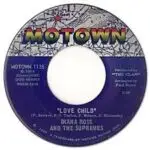
3. Love Child – Diana Ross & The Supremes
Love Child held strong at number three after spending time at the top of the chart. The song’s serious subject matter and dramatic presentation marked an important evolution for Diana Ross & The Supremes.
Rather than relying solely on romantic themes, the record addressed social realities while maintaining the polished Motown sound that made the group famous. Diana Ross delivered one of her most compelling performances on record.
Its enduring popularity demonstrated how audiences were embracing more mature and socially aware pop music as the decade ended.
4. Wichita Lineman – Glen Campbell
Glen Campbell continued his climb with Wichita Lineman, reaching number four this week. Written by Jimmy Webb, the song blended country and pop influences into one of the most admired recordings of the era.
The lyrics painted a vivid portrait of loneliness and dedication, while Campbell’s understated vocal delivery gave the song remarkable emotional depth. The orchestral arrangement added sophistication without overwhelming the performance.
Its rise into the Top 5 confirmed its status as one of the most important crossover hits of the late 1960s.
5. Stormy – Classics IV Featuring Dennis Yost
Stormy reached a new peak at number five, giving Classics IV their biggest hit. The smooth melody and memorable chorus helped the song become a favorite on both pop and adult contemporary radio.
The record’s polished production and relaxed style provided a contrast to the soul and rock records surrounding it in the Top 10. Its easygoing sound made it one of the most distinctive hits of late 1968.
Its continued climb reflected the broad range of musical styles that listeners embraced during one of pop music’s most creative periods.
More Weeks at #1 for “I Heard It Through the Grapevine”
This song spent multiple weeks at #1 on the Billboard Hot 100. Explore each chart week below:
🎂 What Was the #1 Song on Your Birthday?
If you were born during the week ending December 28, 1968, this was your birthday song:
🎵 I Heard It Through the Grapevine by Marvin Gaye
▶ Watch and experience this song →
🎂 Born in the 60s? Try your own birthday:
Top 10 on the Billboard Hot 100 This Week
- I Heard It Through The Grapevine – Marvin Gaye
- For Once In My Life – Stevie Wonder
- Love Child – Diana Ross & The Supremes
- Wichita Lineman – Glen Campbell
- Stormy – Classics IV Featuring Dennis Yost
- Abraham, Martin And John – Dion
- I’m Gonna Make You Love Me – Diana Ross And The Supremes & The Temptations
- Who’s Making Love – Johnnie Taylor
- I Love How You Love Me – Bobby Vinton
- Cloud Nine – The Temptations
Chart Movers This Week
Looking Back at the Final Chart of 1968
The final Billboard Hot 100 of 1968 showcased many of the artists who defined the year. Marvin Gaye, Stevie Wonder, Diana Ross & The Supremes, Glen Campbell, and Dion all represented different directions that popular music had taken during the decade.
Soul music remained a dominant force, but country-pop, folk-inspired songwriting, soft rock, and psychedelic influences all found space on the chart. The diversity of styles reflected how rapidly music was evolving during the late 1960s.
Looking back today, the December 28, 1968 chart serves as a fitting conclusion to a remarkable year in popular music history and a preview of many of the sounds that would shape the 1970s.