Billboard Hot 100 | Top 5 – Week of December 7, 1968
As December 1968 began, Motown remained on top of the Billboard Hot 100 with Diana Ross & The Supremes’ powerful hit Love Child. The song held the number one position for a second consecutive week, proving that its blend of social commentary and classic Motown production had struck a chord with listeners across America. It was a fitting chart-topper for a year in which popular music increasingly reflected the changing culture around it.
While Love Child remained at the summit, The Beatles’ monumental Hey Jude continued its remarkable run at number two. Few songs in the history of the Hot 100 had dominated the charts quite like it, and even after surrendering the top spot, it remained one of the most popular records in the country. Meanwhile, Stevie Wonder surged into the Top 3 with For Once In My Life, signaling that another Motown superstar was beginning one of the most important periods of his career.
The week’s biggest mover belonged to Marvin Gaye. I Heard It Through The Grapevine jumped from number sixteen to number four in only its third week on the chart. The song’s dramatic production and unforgettable vocal performance suggested that an even bigger hit might be on the horizon. Alongside it, Johnnie Taylor’s Who’s Making Love rounded out the Top 5, giving soul music a major presence near the top of the chart.
This week’s chart highlighted the incredible diversity of late-1968 radio. Motown, Stax soul, British pop, folk-inspired ballads, and country-pop all coexisted in the Top 10. It was a fitting way to close out one of the most memorable years in music history.
Top 5 Songs (December 7, 1968)
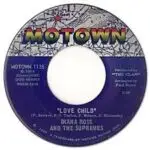
1. Love Child – Diana Ross & The Supremes
Love Child remained at number one for a second week, confirming its place among the most important Motown hits of 1968. The song tackled a more serious subject than many earlier Supremes releases, helping it stand apart from the group’s long string of chart successes.
Diana Ross delivered one of her strongest vocal performances, while Motown’s production team created a record that was both commercially accessible and emotionally compelling. The result was a song that felt modern and relevant without sacrificing its pop appeal.
Its continued success demonstrated Motown’s ability to evolve with the changing musical and cultural landscape of the late 1960s.
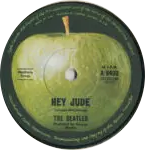
2. Hey Jude – The Beatles
Hey Jude held at number two after one of the greatest chart runs of the decade. Even thirteen weeks after its debut, the song remained a dominant force on radio stations across America.
The Beatles had created something extraordinary: a record that ignored traditional pop conventions yet became one of the biggest hits in music history. Its famous closing singalong remained instantly recognizable and endlessly replayed.
Though no longer number one, Hey Jude continued to define the sound of late 1968.

3. For Once In My Life – Stevie Wonder
Stevie Wonder climbed into the Top 3 with For Once In My Life, one of the most energetic and memorable performances of his early career. The song transformed a ballad into an upbeat declaration of joy and confidence.
Wonder’s vocal delivery was filled with excitement and personality, helping the record stand out even among Motown’s crowded roster of stars. His harmonica work added another distinctive touch.
The song’s continued climb suggested that Stevie Wonder was entering a new phase of artistic and commercial success.
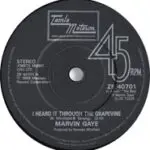
4. I Heard It Through The Grapevine – Marvin Gaye
The biggest story of the week may have been Marvin Gaye’s rapid rise with I Heard It Through The Grapevine. Jumping twelve positions to number four, the record was quickly becoming one of the hottest songs in America.
The song’s haunting production and Gaye’s emotional vocal performance created an atmosphere unlike anything else on the chart. Its tension and drama gave it tremendous replay value.
With momentum building rapidly, it appeared likely that Marvin Gaye would soon challenge for the top spot.
5. Who’s Making Love – Johnnie Taylor
Johnnie Taylor reached a new peak at number five with Who’s Making Love. The Stax soul hit combined a strong groove with a memorable message, helping it stand out among the week’s biggest records.
Taylor’s vocal performance carried confidence and conviction, while the Stax production delivered the raw energy that made Memphis soul so influential.
Its Top 5 placement showed that soul music remained one of the dominant forces on American radio as 1968 approached its conclusion.
More Weeks at #1 for “Love Child”
This song spent multiple weeks at #1 on the Billboard Hot 100. Explore each chart week below:
🎂 What Was the #1 Song on Your Birthday?
If you were born during the week ending December 7, 1968, this was your birthday song:
🎵 Love Child by Diana Ross & the Supremes
▶ Watch and experience this song →
🎂 Born in the 60s? Try your own birthday:
Top 10 on the Billboard Hot 100 This Week
- Love Child – Diana Ross & The Supremes
- Hey Jude – The Beatles
- For Once In My Life – Stevie Wonder
- I Heard It Through The Grapevine – Marvin Gaye
- Who’s Making Love – Johnnie Taylor
- Magic Carpet Ride – Steppenwolf
- Abraham, Martin And John – Dion
- Wichita Lineman – Glen Campbell
- Stormy – Classics IV Featuring Dennis Yost
- Those Were The Days – Mary Hopkin
Chart Movers This Week
Looking Back at December 1968
The December 7, 1968 Billboard Hot 100 reflected a changing musical landscape. Motown held the number one position, but several future classics were moving rapidly up the chart. Stevie Wonder and Marvin Gaye were both climbing toward career-defining moments, while established stars like The Beatles continued to command enormous audiences.
The week’s chart also demonstrated the growing strength of soul music. Motown and Stax artists occupied several of the Top 10 positions, helping shape the sound of late-1960s radio. At the same time, Glen Campbell’s country-pop crossover success and Mary Hopkin’s folk-inspired hit showed how broad mainstream tastes had become.
Looking back, this chart serves as a preview of the musical trends that would help define the closing weeks of 1968 and the beginning of a new year.